
 EN
EN
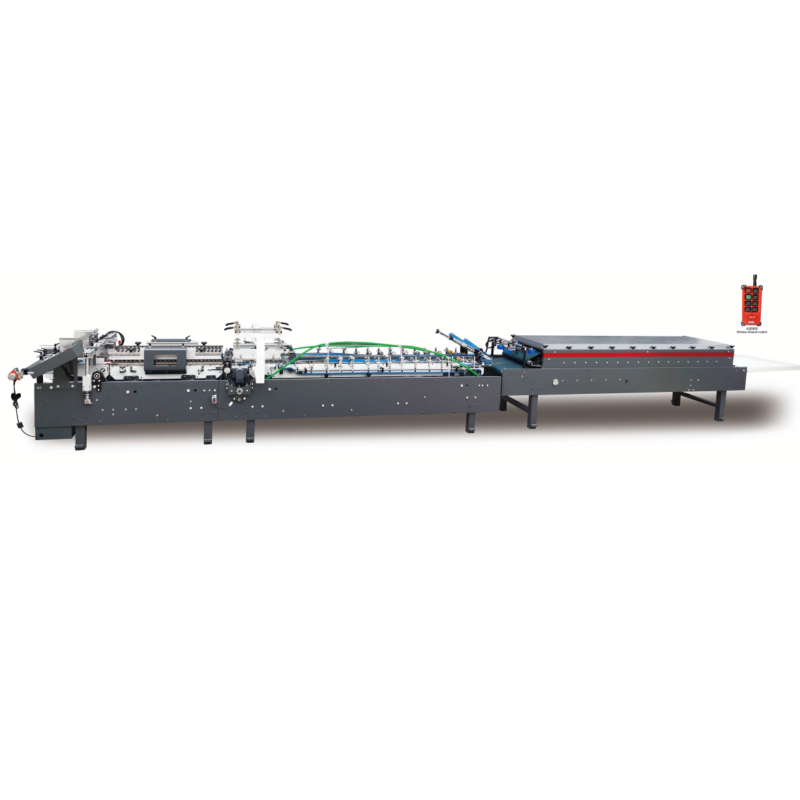
A flute laminating machine plays a critical role in modern corrugated packaging production. By bonding a flat liner sheet precisely onto the fluted medium, this machine creates a finished board structure with superior strength, surface consistency, and dimensional accuracy. Understanding how this process works helps packaging manufacturers make smarter decisions about their production lines and quality standards.
The demand for high-quality corrugated board has grown significantly across industries ranging from food packaging to electronics and retail. A flute laminating machine addresses the core challenges of board delamination, uneven adhesive distribution, and structural inconsistency that plague lower-grade production methods. This article explores the specific mechanisms through which a flute laminating machine raises corrugated board quality to a professional, market-ready standard.
The Core Mechanism of a Flute Laminating Machine
Precision Adhesive Application
The quality of corrugated board begins with how adhesive is applied between the liner and the fluted medium. A flute laminating machine uses a controlled glue application system that delivers an even, consistent adhesive layer across the entire sheet surface. This precision prevents dry spots or excess glue pools, both of which can compromise board integrity. When adhesive coverage is uniform, the bond between layers becomes stronger and more reliable under mechanical stress.
A flute laminating machine also regulates adhesive viscosity and temperature during operation. This control ensures that the glue penetrates fiber surfaces at the optimal depth, creating a molecular-level bond rather than a surface coating. The result is a corrugated board that resists peeling, moisture ingress, and internal shear forces that occur during box assembly and transport.
Controlled Pressure and Feed Speed
Beyond adhesive application, a flute laminating machine applies calibrated mechanical pressure during the lamination stage. This pressure compresses the liner firmly against the flute tips, ensuring full contact without crushing the flute profile. Maintaining flute geometry is essential because the hollow flute channels are what give corrugated board its cushioning and compression strength.
Feed speed synchronization is another critical function. A flute laminating machine coordinates the liner feed rate with the fluted medium to prevent misregistration, wrinkling, or telescoping. When both substrates travel at identical speeds through the lamination zone, the finished board emerges flat, properly aligned, and free of internal tension. This dimensional stability directly improves the downstream conversion process, whether the board is being die-cut, scored, or folded.
Structural Quality Improvements in the Finished Board
Enhanced Edge Crush and Burst Strength
One of the most measurable quality improvements delivered by a flute laminating machine is an increase in edge crush test values and burst strength ratings. When the liner is laminated with consistent pressure and full adhesive contact, the composite structure behaves as a single engineered unit rather than two separate layers. This unified structure redistributes compressive loads more effectively across the board cross-section.
A flute laminating machine also reduces the risk of delamination under dynamic load conditions such as stacking, vibration during transit, or sudden impact. In practical packaging applications, this means corrugated boxes produced from properly laminated board maintain their structural shape longer, protecting contents more reliably throughout the supply chain.
Improved Surface Smoothness for Printing
The outer surface of corrugated board laminated by a flute laminating machine is measurably smoother than board produced without precision lamination. This surface quality matters greatly for printing operations. High-resolution graphics, fine text, and brand color blocks all reproduce with greater fidelity on a smooth, flat liner surface.
A flute laminating machine eliminates micro-waviness caused by uneven glue tension or misaligned liner feed. When the liner surface is perfectly flat and uniformly bonded, flexographic and digital printing processes achieve sharper dot reproduction and more consistent ink density. This improvement translates directly into better shelf presentation and higher perceived product value for end customers.
Operational Advantages That Support Quality Consistency
Reduced Waste and Rework Rates
A flute laminating machine contributes to quality not only through better output but also through fewer defects requiring rework or scrap disposal. Automated tension control, sheet alignment sensors, and real-time pressure monitoring allow a flute laminating machine to self-correct minor deviations before they develop into sheet-level defects. This proactive quality management reduces material waste and keeps production efficiency high.
Manufacturers who operate a flute laminating machine with properly calibrated settings report significantly lower rates of board warping, liner lifting, and adhesive bleed. Each of these defects, if uncorrected, would require either manual rework or outright rejection of finished sheets. Reducing such defects directly lowers per-unit production cost while maintaining consistent output quality.
Adaptability to Different Flute Profiles
Corrugated packaging production involves multiple flute profiles, including A-flute, B-flute, C-flute, E-flute, and microflute variants. A flute laminating machine designed for production flexibility can be adjusted to accommodate these different flute heights and wavelengths without compromising lamination quality. This adaptability allows a single flute laminating machine to serve diverse product lines within the same facility.
When a flute laminating machine handles different flute types, it adjusts pressure settings and glue film thickness to match the contact geometry of each profile. This targeted adjustment ensures that every board type, regardless of flute size, exits the machine with equally strong bonds and equally flat surfaces. Consistent results across flute types give manufacturers greater production scheduling flexibility.
FAQ
What types of corrugated board can a flute laminating machine process?
A flute laminating machine can process single-face, single-wall, and double-wall corrugated board across multiple flute profiles including A, B, C, E, and F grades. The machine settings are adjusted per flute type to maintain optimal bond quality and surface flatness for each board specification.
How does a flute laminating machine prevent board warping?
A flute laminating machine prevents warping by applying balanced pressure across the full sheet width and controlling moisture introduced through the adhesive. Precise temperature regulation during the bonding stage allows moisture to dissipate evenly, minimizing differential shrinkage between the liner and medium that typically causes corrugated board to curl or bow.
Is a flute laminating machine suitable for high-speed production lines?
Yes, a flute laminating machine is designed to integrate into high-speed corrugated production lines. Modern units include automated feeding systems, high-response tension controls, and real-time monitoring to maintain consistent lamination quality even at elevated throughput speeds, making the flute laminating machine a reliable choice for volume-focused packaging operations.