
 EN
EN
A paper cutter is a critical tool in any print shop, mailroom, or document processing facility, yet many operators overlook the maintenance practices that directly determine how long their equipment will function reliably. Regular care and preventive maintenance can dramatically extend the service life of a paper cutter, reducing unexpected downtime, cutting replacement costs, and ensuring consistent cutting quality throughout its operational years. Understanding which maintenance practices matter most allows facility managers to protect their investment while maintaining safe, efficient operations that support daily workflow demands.
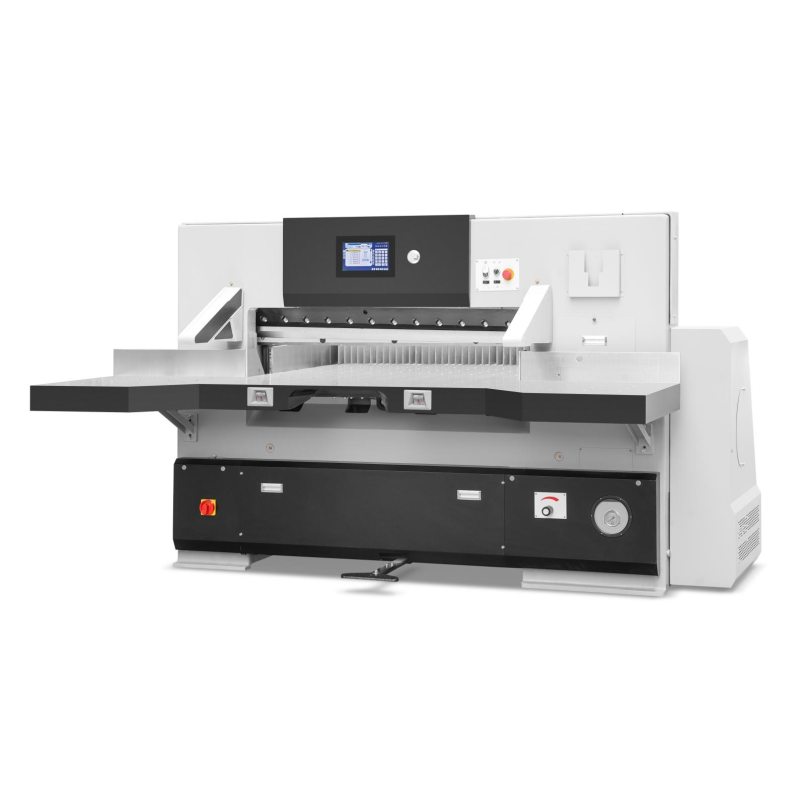
The longevity of a paper cutter depends not on chance but on deliberate, consistent care routines that address the machine's mechanical and hydraulic systems. When operators and maintenance teams implement proven maintenance practices, the paper cutter remains sharp, responsive, and safe for years beyond what neglect would allow. This article explores the specific maintenance practices that extend the service life of a paper cutter and why each practice matters for long-term reliability.
Routine Cleaning and Debris Management
Daily Cleaning Protocols for Paper Cutters
A paper cutter accumulates paper dust, fragments, and debris during normal operation, and these materials can lodge in cutting mechanisms, hydraulic components, and bearing surfaces. At the end of each shift, operators should use compressed air and soft brushes to remove loose debris from around the cutting blade, bed, and clamp areas of the paper cutter. This simple practice prevents particles from settling into tight spaces where they accelerate wear and corrosion. Regular cleaning of the paper cutter's external surfaces also allows operators to spot early signs of damage, leaks, or mechanical problems that warrant attention before they escalate.
Protecting the Paper Cutter Cutting Area
The cutting bed and blade assembly represent the functional heart of a paper cutter, and protecting these surfaces extends the paper cutter's precision and safety. After each use, wipe the bed with a clean, dry cloth to remove paper dust and prevent moisture accumulation. For a paper cutter operating in humid environments, use lint-free cloths to avoid leaving fibers that could interfere with clamp alignment or blade movement. Cover the paper cutter when not in use to shield it from airborne dust, spilled liquids, or accidental contact that might damage the blade or mechanical linkages.
Lubrication and Hydraulic System Care
Strategic Lubrication of Paper Cutter Components
Most paper cutter models require periodic lubrication of pivot points, hinges, and sliding mechanisms to maintain smooth operation and prevent friction-driven wear. Consult the equipment manual to identify lubrication points on your specific paper cutter model, as some components need light machine oil while others require grease-based lubricants. Apply lubricant sparingly to the paper cutter's moving parts every month or according to manufacturer recommendations, using only approved products to avoid attracting dust or degrading seals. Proper lubrication of a paper cutter reduces mechanical stress, extends component life, and keeps the machine operating at design specifications with minimal resistance or binding.
Hydraulic Fluid Maintenance for Your Paper Cutter
Many industrial paper cutter models operate using hydraulic systems to generate cutting force and clamp pressure, making hydraulic fluid condition critical to service longevity. Check hydraulic fluid levels in your paper cutter monthly and top up with the exact fluid type specified in the manual, as mixing incompatible fluids can damage seals and reduce system efficiency. Hydraulic fluid degrades over time through heat exposure and contamination, so schedule fluid changes according to manufacturer intervals, typically every 1000 to 2000 operating hours for a paper cutter in regular use. Contaminated or degraded hydraulic fluid in a paper cutter can cause erratic clamp pressure, sluggish cutting action, and accelerated wear on pumps and cylinders, directly reducing the machine's useful service life.
Blade Sharpness and Mechanical Alignment
Blade Inspection and Sharpening Schedule
The blade is the wear component that defines cutting quality and directly impacts productivity, so maintaining blade sharpness is central to extending a paper cutter's effective service life. Inspect the blade regularly by looking for torn edges, dullness, or uneven wear patterns, and sharpen the blade when cutting quality begins to deteriorate rather than waiting for complete failure. A dull blade in a paper cutter forces the operator to apply excessive downward pressure, increasing mechanical stress on the clamp linkage, guide rails, and drive system. Many facilities schedule blade sharpening every three to six months depending on cutting volume, but the paper cutter blade should be checked more frequently during peak production seasons when wear accelerates.
Alignment and Calibration of a Paper Cutter
Misalignment gradually develops as a paper cutter experiences normal vibration and use, leading to uneven blade wear, inaccurate cuts, and increased mechanical strain on internal components. Quarterly alignment checks help catch and correct minor deviations before they compound into serious problems affecting paper cutter performance. Use a straightedge or alignment tool to verify that the blade remains perpendicular to the cut bed and that the backstop and clamps hold material square and level. When a paper cutter's components drift out of alignment, the blade strikes material at an angle, concentrating wear on one edge and forcing compensatory stress on the mechanical frame, ultimately shortening the equipment's operating life.
Preventive Maintenance and Documentation
Establishing a Paper Cutter Maintenance Schedule
Preventive maintenance transforms a paper cutter from a machine that fails unexpectedly into one that performs reliably for decades. Create a written maintenance log for your paper cutter that documents cleaning, lubrication, blade checks, alignment inspections, and any repairs or adjustments performed. This historical record helps identify patterns, plan future service intervals, and demonstrate to auditors or insurance carriers that the equipment receives appropriate care. A well-maintained paper cutter backed by clear documentation also has higher resale value if the facility eventually upgrades to newer equipment.
Operator Training and Safe Handling Practices
Operator behavior directly affects how quickly a paper cutter ages and degrades, making training a key extension of equipment life. Ensure all operators understand proper feeding techniques, backstop alignment, and clamp pressure settings for different paper types and thicknesses so that the paper cutter is never forced or overloaded. Improper technique can cause the blade to strike the bed prematurely, jam material in the clamp mechanism, or bend guide rails—damage that accumulates and shortens the paper cutter's functional life. Regular operator refresher training reinforces good habits and introduces new team members to the specific requirements of your paper cutter model, protecting both the equipment and worker safety.
FAQ
How often should I sharpen the blade on my paper cutter?
Most paper cutter operations require blade sharpening every three to six months under normal production schedules, but high-volume facilities may need more frequent attention. Monitor cutting quality weekly and sharpen the blade as soon as you notice ragged edges, torn corners, or the need to apply excessive pressure. A well-maintained paper cutter blade is sharper and cleaner than a dull one, so blade condition directly reflects the overall care level of your equipment.
What type of hydraulic fluid should I use in my paper cutter?
Always consult your paper cutter's operating manual to identify the exact hydraulic fluid specification, as using the wrong type can damage seals, corrode internal passages, and void your warranty. Common grades include ISO 32 or ISO 46 hydraulic oil, but your specific paper cutter model may require an anti-wear or anti-foaming formulation. Never mix different hydraulic fluid brands or types in your paper cutter, and change the fluid according to the manufacturer's recommended interval to ensure optimal system performance and extend service life.
What are the warning signs that my paper cutter needs maintenance?
Common warning signs that your paper cutter requires immediate attention include sluggish clamp response, uneven cutting quality, unusual sounds during operation, visible hydraulic leaks, and misaligned or torn edges on finished cuts. If your paper cutter produces rough or jagged cuts despite a recent blade sharpening, the issue likely involves alignment, clamp pressure, or debris interference rather than blade dullness. Address any unusual symptoms promptly to prevent minor issues from cascading into major failures that interrupt production and reduce the equipment's remaining service life.