
 EN
EN
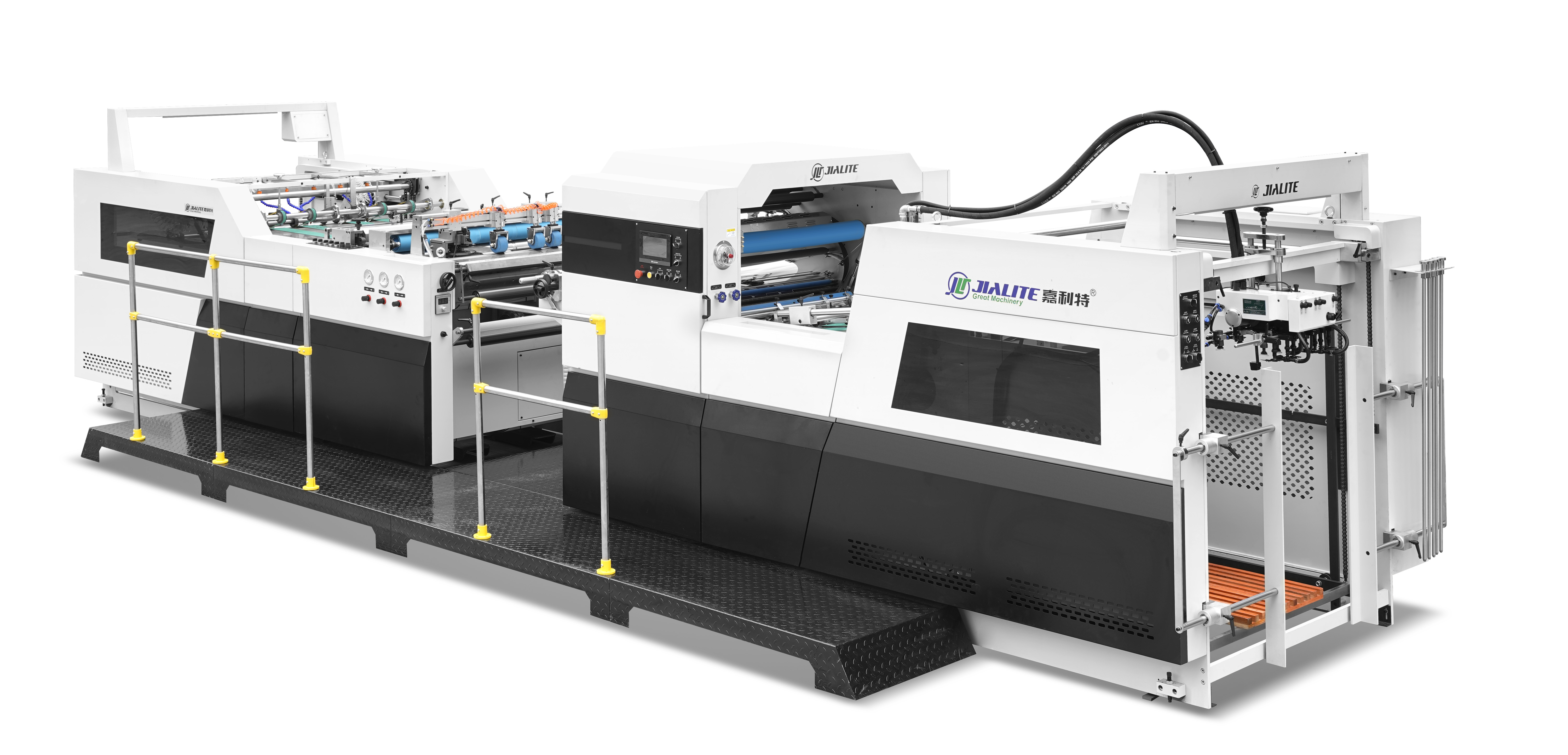
Premium packaging requires precision, consistency, and durability that manual processes struggle to deliver. An automatic film laminating machine transforms packaging production by applying protective and decorative film layers with exceptional accuracy and speed. This technology has become essential for brands seeking to enhance product presentation, improve shelf appeal, and ensure long-term protection against moisture, dust, and handling damage. Understanding how an automatic film laminating machine supports premium packaging objectives helps manufacturers and brands make informed investment decisions that align with quality standards and production efficiency goals.
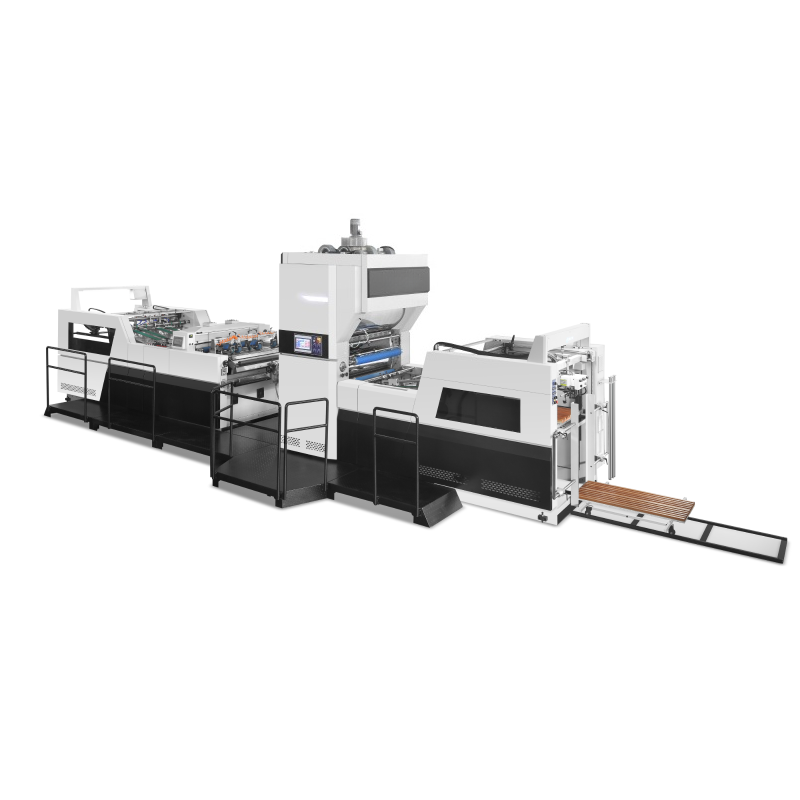
An automatic film laminating machine delivers consistent lamination quality across every package, eliminating human variability and enabling high-volume production without compromising aesthetics. The machine applies film layers with uniform pressure, temperature control, and speed, resulting in superior adhesion and professional finishes that elevate brand perception. Whether using thermal laminate or water-based adhesive systems, an automatic film laminating machine ensures that packaging meets premium standards while maintaining cost efficiency at scale.
How an Automatic Film Laminating Machine Enhances Visual Appeal and Protection
Consistent Film Application and Surface Quality
The core strength of an automatic film laminating machine lies in its ability to apply film with absolute consistency across every package. Manual lamination introduces variables such as uneven pressure, temperature fluctuations, and operator fatigue, leading to visible defects like bubbles, wrinkles, or uneven gloss levels. An automatic film laminating machine maintains precise heating zones, pressure rollers, and film tension throughout the production run, ensuring every package achieves identical surface quality. This consistency directly impacts consumer perception, as premium products demand flawless presentations that communicate quality and care.
Protection Against Environmental Damage
Laminated film provides a protective barrier that shields packaging graphics and structural integrity from moisture, humidity, and physical contact. An automatic film laminating machine creates robust film bonds that prevent peeling, cracking, or separation during storage, transportation, and retail display. This protection is especially critical for products in demanding environments such as cold storage, humid warehouses, or outdoor retail shelves. By using an automatic film laminating machine, manufacturers ensure that premium packaging maintains its visual appeal and protective performance throughout the product's lifecycle.
Operational Efficiency and Production Scalability
High-Speed Production Without Quality Compromise
Manual lamination processes limit production capacity to 200–400 packages per hour, depending on package size and operator skill. An automatic film laminating machine achieves production speeds of 500–1,500 packages per hour, dramatically expanding output while maintaining the quality standards required for premium packaging. This speed advantage allows brands to respond rapidly to market demand, reduce lead times, and maintain competitive pricing without sacrificing craftsmanship. Investment in an automatic film laminating machine delivers rapid return on investment through increased throughput and reduced labor costs per unit.
Reduced Labor Requirements and Operator Error
An automatic film laminating machine minimizes human intervention, reducing labor costs and eliminating operator-dependent quality variations. Once programmed with specific parameters for film type, temperature, speed, and pressure, the machine executes each cycle identically without fatigue or attention lapses. This automation is particularly valuable in high-volume facilities where managing dozens of manual workers introduces training costs, quality inconsistency, and operational overhead. By deploying an automatic film laminating machine, production managers achieve both cost reduction and quality improvement simultaneously.
Support for Premium Packaging Objectives and Brand Differentiation
Compatibility with Specialized Film Types and Finishes
Premium packaging often demands specialized film options such as matte, glossy, soft-touch, or holographic finishes that create distinctive tactile and visual experiences. An automatic film laminating machine accommodates diverse film types, thicknesses, and adhesive systems, enabling brands to customize their packaging presentation without requiring separate equipment investments. Whether applying thermal laminate, water-based glue, or other advanced film solutions, an automatic film laminating machine provides the flexibility needed to differentiate products in competitive markets. This adaptability ensures that brands can experiment with premium finishes and respond to evolving consumer preferences without downtime or equipment replacement.
Integration with Modern Production Workflows
Contemporary packaging facilities demand equipment that integrates seamlessly with digital printing, cutting, folding, and finishing systems. An automatic film laminating machine connects to production lines through standardized interfaces, enabling synchronized workflows that minimize handling and maximize efficiency. Many models feature programmable controls, film tension monitoring, and temperature feedback systems that communicate with facility management software. This integration capability makes an automatic film laminating machine essential infrastructure for facilities aiming to achieve Industry 4.0 standards and data-driven production optimization.
FAQ
What film types can an automatic film laminating machine process?
An automatic film laminating machine processes a wide range of film materials including polyester, polypropylene, polyethylene, and specialty films. Depending on the machine model, operators can apply thermal laminate, water-based adhesive, or pressure-sensitive films. The machine's heating and pressure settings adjust automatically based on film thickness and type, enabling seamless transitions between different materials. Modern models provide flexibility to work with standard matte and gloss finishes, as well as premium textures like soft-touch or holographic films.
How does temperature control in an automatic film laminating machine affect packaging quality?
Precise temperature control is critical for an automatic film laminating machine because improper heating causes film bubbling, poor adhesion, or material warping. The machine maintains exact temperature zones across heating rollers and pressure elements, ensuring that adhesive activates fully while avoiding substrate damage. Temperature feedback sensors allow the automatic film laminating machine to compensate for ambient conditions and material variations, maintaining consistent results throughout production runs. This precision directly translates to premium packaging quality and eliminates defects associated with thermal inconsistency.
What production volume justifies investment in an automatic film laminating machine?
An automatic film laminating machine becomes economically justified when monthly production exceeds 50,000–100,000 laminated packages, depending on current labor costs and quality requirements. At lower volumes, manual or semi-automatic lamination may suffice, but as production scales, an automatic film laminating machine rapidly achieves payback through labor savings, waste reduction, and increased throughput. Facilities serving premium brands or high-demand markets typically see return on investment within 12–24 months. Beyond financial considerations, an automatic film laminating machine enables quality consistency that manual processes cannot match, justifying investment even when production volumes are moderate if premium packaging standards are mandatory.