
 EN
EN
Selecting the correct paper cutter for high-volume commercial printing is one of the most consequential equipment decisions a print shop can make. The wrong paper cutter leads to bottlenecks, inconsistent trim quality, and costly downtime. The right paper cutter, on the other hand, becomes the backbone of an efficient finishing workflow. Understanding what separates a capable commercial paper cutter from an inadequate one requires examining cutting capacity, drive mechanism, automation level, and overall build quality.
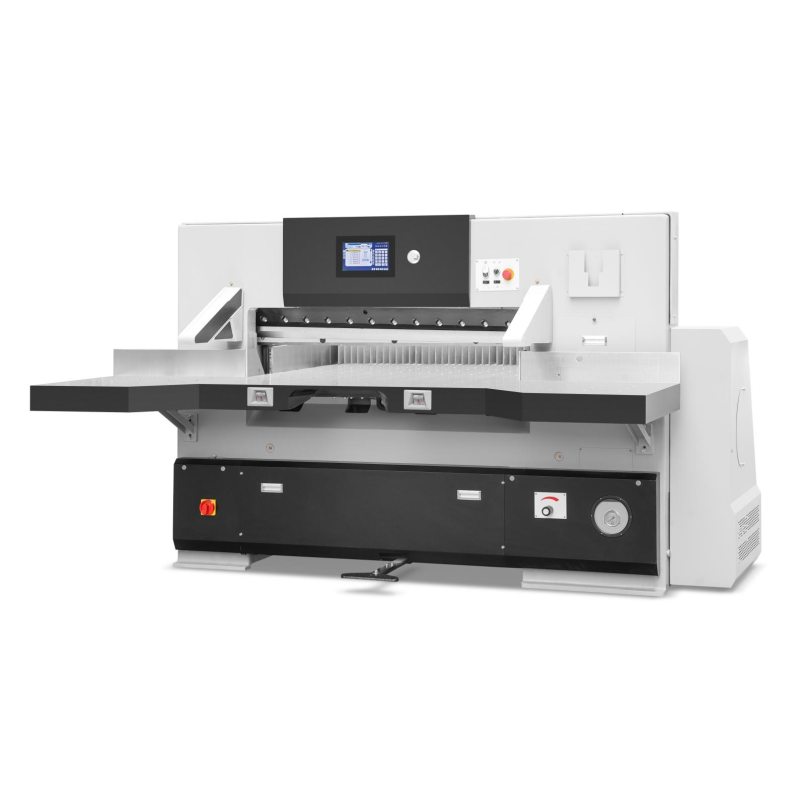
High-volume commercial printing environments impose demands on a paper cutter that standard office or light-duty models simply cannot meet. A paper cutter rated for continuous production use must deliver precise, repeatable cuts across thousands of reams without degrading in accuracy or speed. This guide walks through every critical factor you need to evaluate when choosing a paper cutter for demanding commercial print operations, so you can invest confidently and avoid replacing equipment prematurely.
Understanding Cutting Capacity and Stack Height
Why Cutting Capacity Defines Throughput
The most fundamental specification of any paper cutter is its cutting capacity, measured in the number of sheets it can cut in a single pass. In a high-volume environment, a paper cutter with a low stack-height limit forces operators to run multiple passes on the same job, which multiplies handling time and introduces alignment errors. A commercial paper cutter intended for serious production work should handle a substantial stack — typically 400 sheets or more per cut — so that each paper cutter cycle processes a meaningful volume. Choosing a paper cutter with insufficient capacity is one of the most common and costly mistakes print shops make.
Matching Paper Cutter Size to Your Print Format
Cutting width is equally important. A paper cutter must accommodate the largest sheet format used in your facility. Standard commercial paper cutter models cover formats from 460 mm up to 920 mm and beyond. If your paper cutter cannot handle your widest press sheet, you will need to trim sheets down before they reach the paper cutter, adding unnecessary steps. Always select a paper cutter whose cutting width exceeds your maximum sheet size by a comfortable margin, giving the paper cutter room to square and register stock accurately before each cut cycle.
Drive Mechanism and Precision Engineering
Hydraulic vs. Electric Drive in a Paper Cutter
The drive mechanism of a paper cutter directly affects cutting force, noise level, and long-term reliability. A hydraulic paper cutter uses pressurized fluid to power the cutting beam, delivering consistent downward force even through dense stacks of coated or laminated stock. A double-hydraulic paper cutter adds a second hydraulic circuit to control both the clamp and the cutting beam independently, resulting in cleaner cuts and reduced paper shift. Electric paper cutter models are quieter and easier to maintain at lower volumes, but a hydraulic paper cutter typically outperforms electric models when cutting speed and force consistency matter most in a commercial context. For high-volume shops, a hydraulic paper cutter is generally the preferred choice.
Backgauge Accuracy in a Commercial Paper Cutter
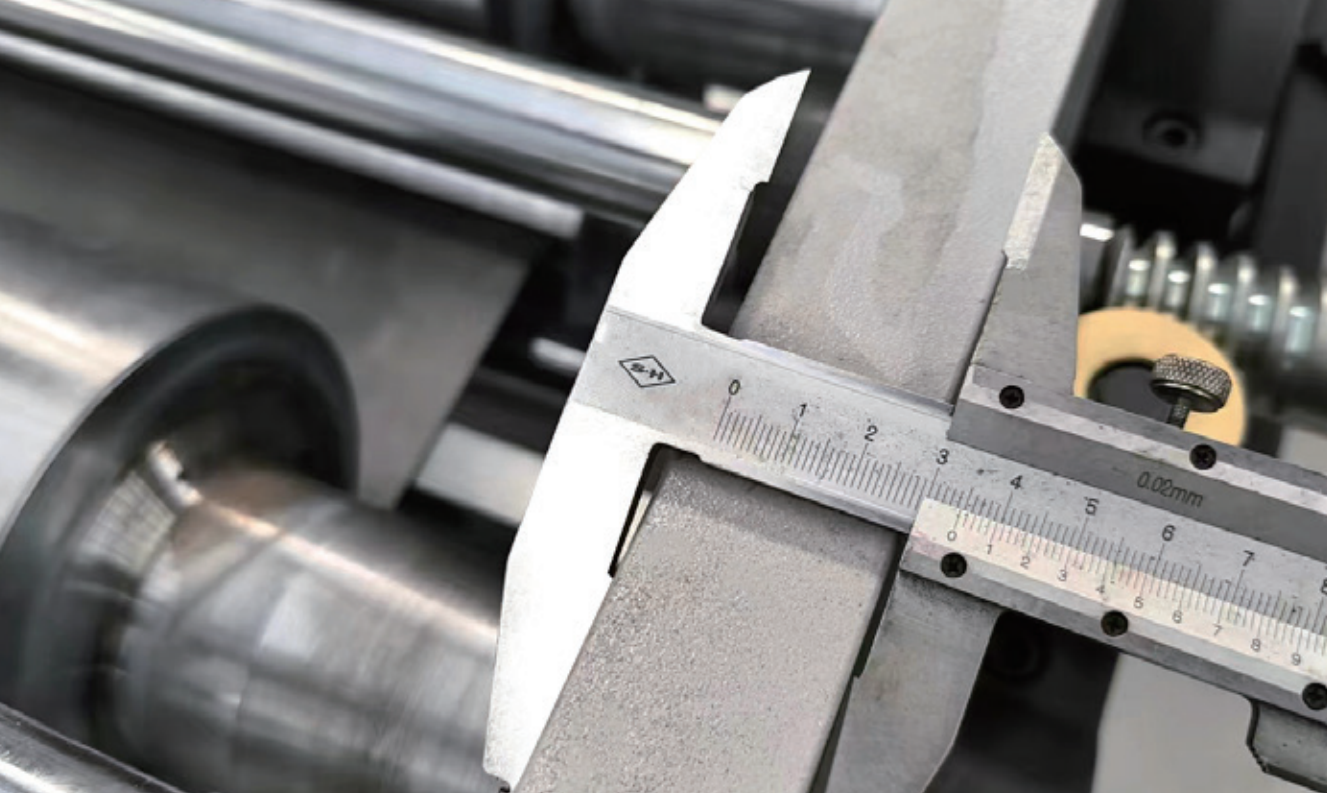
Backgauge precision is the defining accuracy factor of any paper cutter. The backgauge of a paper cutter positions the stack against a reference point before each cut, and even a 0.1 mm deviation compounds into visible trim inconsistencies across a large run. A high-quality paper cutter uses a servo-driven or stepper-motor backgauge with a positioning accuracy of 0.1 mm or better. When evaluating a paper cutter, always check the backgauge specification and ask for a live demonstration of its repeatability. A paper cutter that cannot hold its backgauge position reliably is not suitable for commercial finishing work.
Automation Features and Workflow Integration
Programmable Cut Sequences in a Paper Cutter
Modern commercial paper cutter models offer programmable cut sequences that allow operators to store entire job programs in the paper cutter's memory. Instead of manually repositioning the backgauge between each cut, the paper cutter automatically advances to the next programmed position. This paper cutter feature alone can cut operator time per job by 30 to 50 percent on complex multi-cut layouts. When a print shop runs the same paper cutter programs repeatedly for repeat clients, the time savings accumulate significantly. A paper cutter with 100 or more stored programs is ideal for commercial environments handling diverse job types.
Air Tables, Clamp Pressure, and Safety on a Paper Cutter
Ergonomics and safety are often overlooked when selecting a paper cutter, but they directly affect both productivity and operator wellbeing. An air table on a paper cutter allows heavy stacks to glide smoothly without physical strain, reducing loading time and fatigue. Adjustable clamp pressure on a paper cutter ensures that sensitive materials such as soft-coated stocks or booklets are held firmly without crushing or marking. Every commercial paper cutter should meet current safety standards, including two-hand operation controls and a light beam safety curtain. These paper cutter safety systems protect operators while maintaining high cutting throughput.
FAQ
What cutting capacity should I look for in a commercial paper cutter?
For high-volume commercial printing, your paper cutter should handle at least 400 sheets per cut pass. A paper cutter with higher stack capacity reduces the number of passes per job and significantly improves throughput in busy finishing departments.
Is a hydraulic paper cutter better than an electric paper cutter for production use?
A hydraulic paper cutter generally delivers superior cutting force and consistency under continuous production loads. While an electric paper cutter is quieter and simpler to maintain for lighter duty use, a hydraulic paper cutter is the preferred option when your facility requires consistent performance across long daily production runs.
How many programs should a commercial paper cutter store?
A commercial paper cutter intended for diverse job types should store at least 50 to 100 programs. The more programs your paper cutter can retain, the faster your operators can switch between repeat jobs without re-entering cut sequences, making your paper cutter a genuine productivity asset rather than a bottleneck.