
 EN
EN
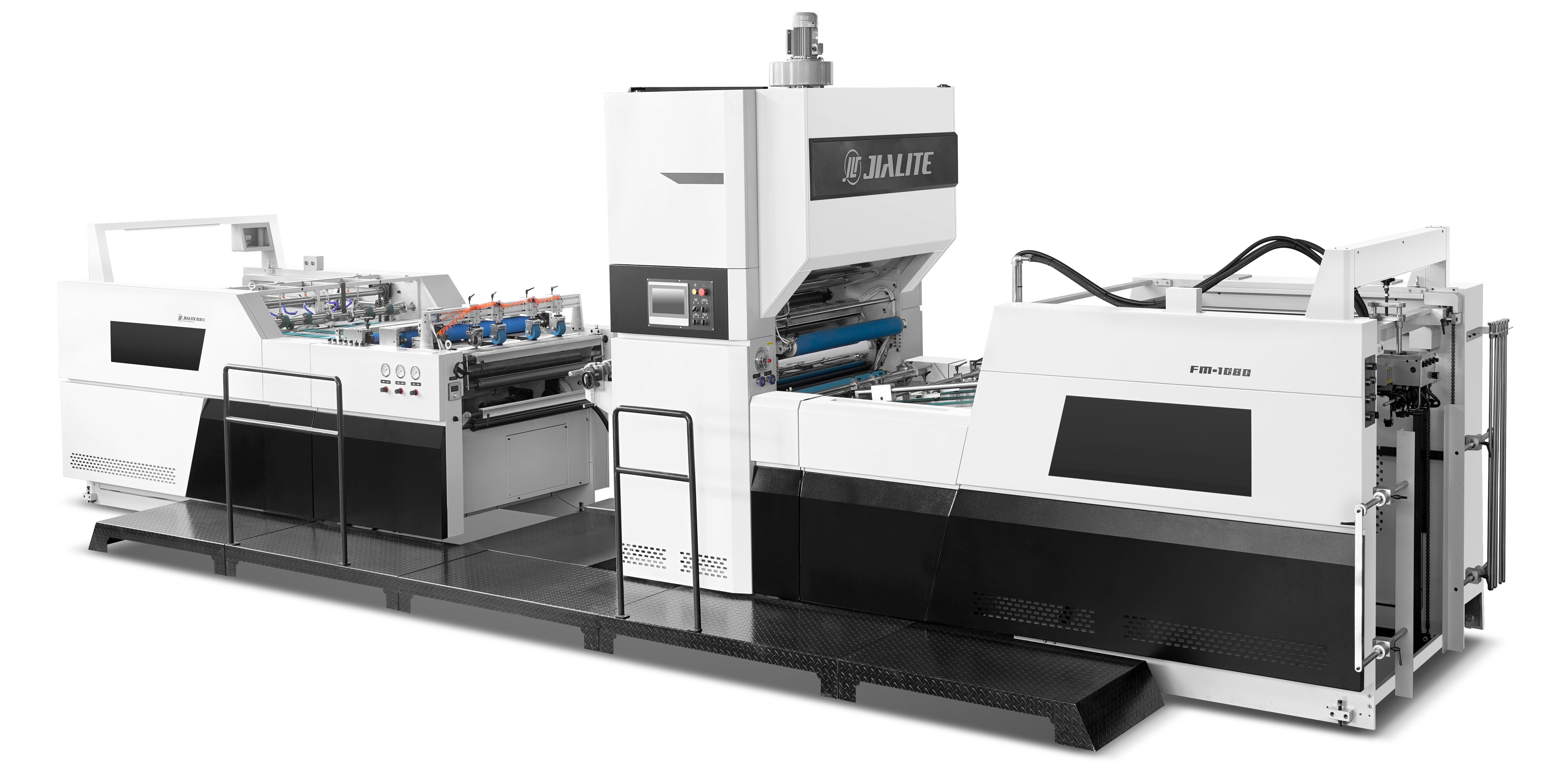
An automatic film laminating machine is a critical asset in any printing or packaging operation, and maintaining peak performance requires consistent attention and preventive care. Many facility managers underestimate how much regular maintenance directly impacts production quality, equipment longevity, and operational efficiency. When an automatic film laminating machine runs without proper upkeep, you risk uneven lamination, film wrinkles, adhesive buildup, and unexpected breakdowns that disrupt your workflow and inflate costs.
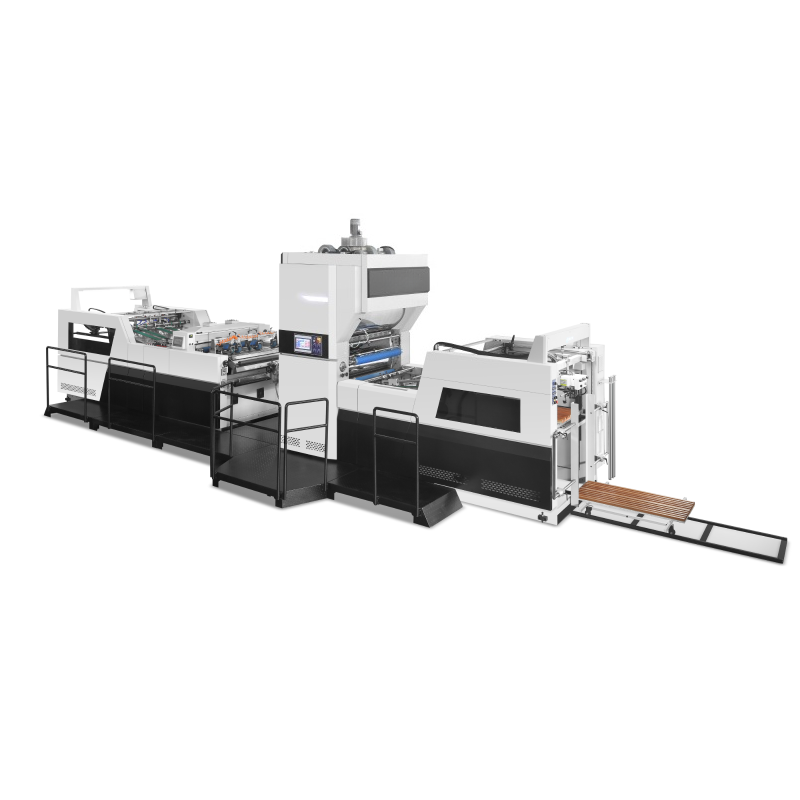
Understanding what maintenance tasks matter most for your automatic film laminating machine helps you build a practical routine that prevents costly repairs and keeps your laminating output consistent. This guide covers actionable maintenance strategies, inspection protocols, and troubleshooting insight to help you maximize the lifespan and performance of your equipment investment.
Daily and Weekly Care for Your Automatic Film Laminating Machine
Daily Inspection and Cleaning Routines
Every time you operate your automatic film laminating machine, dedicate five to ten minutes to basic inspection and light cleaning. Check the film feed path for dust, debris, or loose film fragments that can cause jams or misalignment. Wipe down the pressure roller and feed table with a lint-free cloth to remove adhesive residue, dust particles, and film scraps that accumulate during production runs.
Inspect the heating element and thermal components by visual observation for any signs of discoloration, debris, or abnormal buildup. If your automatic film laminating machine uses water-based adhesive, check the adhesive tank for consistency and contaminants. Even small particles or clogs in the adhesive delivery system can cause uneven coating and lamination defects that compromise the final product quality and reduce overall machine efficiency.
Weekly Deep Cleaning and Calibration Check
Once per week, perform a more thorough cleaning of your automatic film laminating machine. Remove the film reels and clean the spindles, guides, and feed mechanisms with appropriate solvents recommended by the manufacturer. Check alignment of the film path using a straightedge or laser alignment tool to ensure the substrate feeds straight through the lamination zone without drift or skewing.
Test the pressure settings, temperature calibration, and roller tension on your automatic film laminating machine using test materials or waste substrate. Small deviations in these parameters can lead to poor adhesion, film bubbling, wrinkles, or inconsistent gloss finish. Verify that all conveyor belts move smoothly and that no squeaking or grinding sounds indicate bearing wear or misalignment issues.
Monthly Maintenance and Preventive Service for Optimal Performance
Filter Replacement and Airflow Management
Your automatic film laminating machine often includes air circulation systems for cooling, dust extraction, or vacuum assist. Check and replace air filters monthly or more frequently if your production environment is dusty or contains airborne contaminants. Clogged filters reduce cooling efficiency, cause motor strain, and allow dust to accumulate inside the machine, increasing the risk of electrical shorts or component failure.
Inspect all ventilation ducts and exhaust pathways for blockages, kinks, or disconnections. Clean the vacuum chamber and dust collection bin in your automatic film laminating machine if equipped. Proper airflow management extends the life of heat-sensitive components and maintains consistent temperature control essential for quality lamination results.
Lubrication and Bearing Maintenance
Moving parts in your automatic film laminating machine require regular lubrication to minimize friction, reduce wear, and prevent squeaking or grinding. Consult your equipment manual for the correct lubricant type and application points, such as roller bearings, conveyor belt pulley shafts, and feed mechanism joints. Apply lubricant sparingly to avoid over-greasing, which attracts dust and can cause slippage or belt misalignment on your automatic film laminating machine.
Rotate and inspect the condition of critical bearings and gears during monthly service. Listen for unusual sounds such as grinding, clicking, or rattling that signal internal wear or damaged races. Early detection of bearing degradation allows you to schedule replacement before catastrophic failure, preventing emergency downtime and expensive damage to adjacent components.
Quarterly and Annual Deep Maintenance for Long-Term Durability
Thermal System Inspection and Calibration
Every three months, perform a comprehensive inspection of the heating and cooling systems in your automatic film laminating machine. Check thermostat accuracy using an external temperature probe or infrared thermometer to verify that displayed readings match actual temperatures. Thermal sensor drift can cause the machine to overheat or underheat, leading to poor adhesive curing, film softening, or incomplete lamination across your output.
Inspect heating elements, thermal blocks, and cooling fans for carbon buildup, corrosion, or physical damage. Clean heating surfaces with a soft brush or appropriate solvent to remove oxidation that reduces heat transfer efficiency. If your automatic film laminating machine uses thermal film technology, verify that the thermal head makes even contact with the film and substrate without gaps or pressure inconsistencies.
Adhesive System and Roller Maintenance
Check the adhesive delivery system, pump, and nozzles quarterly to ensure consistent glue application across the film width. Prime the pump and purge any air pockets in the adhesive lines to maintain even coating. Inspect pressure rollers, nip rollers, and backup rollers for uneven wear, flat spots, or rubber degradation that causes poor adhesion or visible lamination defects on your automatic film laminating machine output.
Clean or replace worn rollers as needed, and recalibrate nip pressure and temperature to manufacturer specifications. Roller condition directly impacts lamination quality, so don't delay replacement if surface cracks, pitting, or permanent deformation appear. A degraded roller causes uneven pressure distribution, leading to edge curl, film wrinkling, and poor adhesive transfer across your products.
Electrical and Control System Safety Checks
Annually, perform a comprehensive electrical inspection of your automatic film laminating machine by qualified personnel. Check all power connections, circuit boards, and control panel components for loose terminals, burnt contacts, or corrosion. Test emergency stop buttons, interlocks, and safety sensors to confirm they function reliably and protect operators from pinch points or thermal hazards.
Update software or firmware on your automatic film laminating machine if updates are available from the manufacturer, as these often include performance optimizations and bug fixes. Review error logs and historical performance data to identify recurring issues or patterns that suggest component wear or environmental factors affecting machine reliability.
FAQ
How often should I replace components in an automatic film laminating machine?
Component replacement frequency depends on production volume, material type, and operating conditions. High-wear parts like pressure rollers, adhesive pump seals, and conveyor belts typically need replacement annually or every 18 months under normal operation. Check your automatic film laminating machine manual for specific part lifespans and watch for performance degradation or visible wear as indicators of replacement need. Keeping spare parts on hand minimizes downtime when maintenance becomes urgent.
What signs indicate my automatic film laminating machine needs professional service?
Contact a qualified technician if your automatic film laminating machine exhibits persistent temperature fluctuations, unusual vibration or noise, visible film defects like bubbles or wrinkles despite calibration adjustments, or reduced adhesion quality. Electrical issues such as flickering displays, tripped circuit breakers, or sensor failures also warrant professional diagnosis. Ignoring warning signs risks equipment damage and compromises product quality, so schedule professional service promptly when problems arise.
Can regular maintenance reduce downtime on an automatic film laminating machine?
Yes, preventive maintenance significantly reduces unplanned downtime on your automatic film laminating machine. By addressing minor wear before failure occurs, replacing filters, lubricating bearings, and recalibrating systems regularly, you extend equipment lifespan and maintain consistent performance. A well-maintained automatic film laminating machine experiences fewer breakdowns, requires less emergency repair, and delivers more stable lamination quality that keeps your production schedule on track and reduces waste.