
 EN
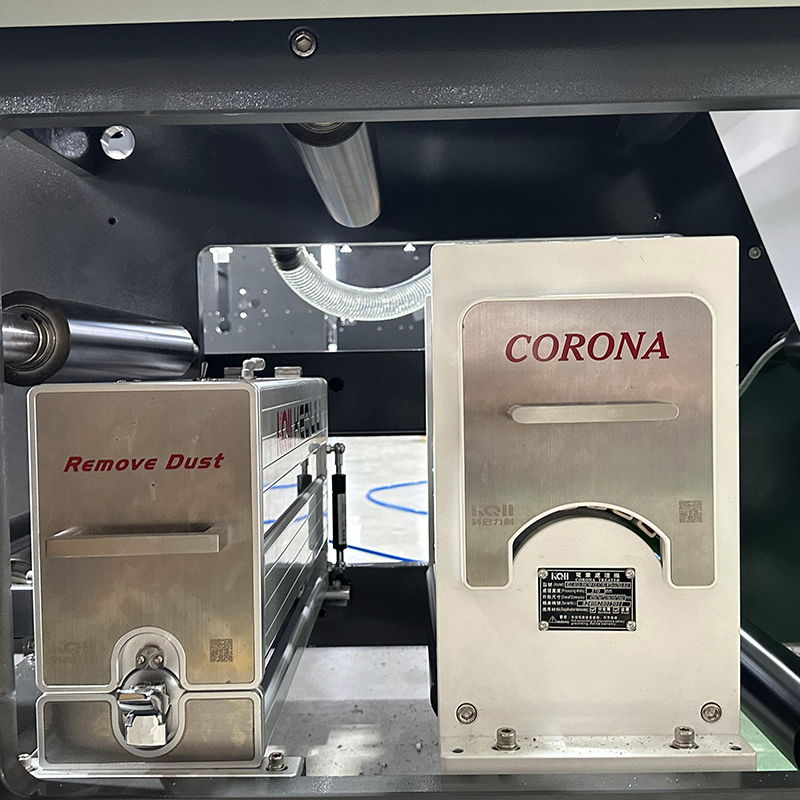
Selecting a label flexographic printing press represents one of the most critical investments a packaging or label manufacturer can make. The decision impacts production speed, print quality, operational costs, and competitive positioning in an increasingly demanding market. A label flexographic printing press determines your facility's ability to meet customer deadlines, maintain color consistency, and achieve profitability across diverse label applications. This guide walks you through the essential comparison factors that separate a sound purchase from a costly mistake.
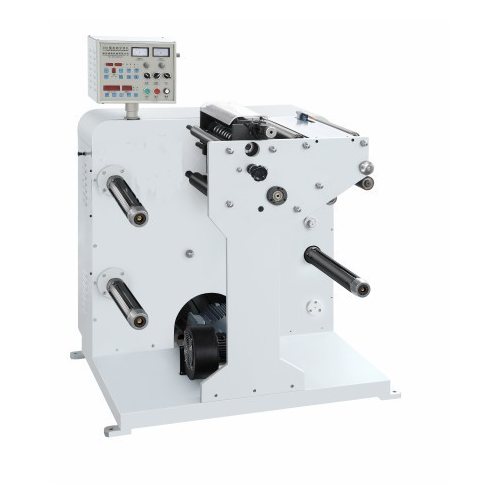
Before committing capital to a label flexographic printing press, you must evaluate technical specifications, manufacturer reputation, after-sales support, and total cost of ownership. Different business models—from short-run specialty labels to high-volume commodity production—require different press architectures. Understanding which factors align with your specific operational needs transforms the purchase process from overwhelming to strategic.
Production Capacity and Speed Requirements
Matching Press Speed to Market Demand
The headline specification for any label flexographic printing press is production speed, typically measured in meters per minute (mpm) or feet per minute (fpm). A label flexographic printing press rated at 300 mpm operates fundamentally differently from one rated at 150 mpm, affecting output volume, labor requirements, and cost per unit. Before selecting a label flexographic printing press, calculate your annual production volume and peak monthly demand to determine the minimum speed needed to avoid bottlenecks without oversizing.
Fast-running label flexographic printing press systems excel at commodity high-volume work but may sacrifice precision and color fidelity. Slower, more controlled label flexographic printing press equipment often provides superior print quality for specialty, premium, or short-run applications. The optimal label flexographic printing press for your operation balances speed ambitions with realistic market conditions, material costs, and quality expectations. Many buyers mistakenly purchase maximum-speed equipment when production patterns show that 60–70 percent utilization of a mid-range label flexographic printing press delivers better ROI.
Substrate Width and Format Flexibility
Substrate width capacity directly constrains the types and sizes of labels your label flexographic printing press can produce. A label flexographic printing press with 13-inch maximum width suits roll labels and narrow formats, while a 17-inch or wider label flexographic printing press opens access to larger shrink sleeves, flexible packaging, and multi-up label configurations. Examine your customer base and product roadmap to determine if purchasing a label flexographic printing press at a narrower specification will limit future revenue opportunities.
Quick-change capability and modular print station design distinguish premium label flexographic printing press systems from basic models. A label flexographic printing press with rapid changeover mechanisms reduces downtime between jobs, increases effective throughput, and makes small-batch orders more economically viable. Evaluate whether a label flexographic printing press offers quick-disconnect anilox roll systems, automatic ink supply modularity, and simple registration controls that minimize setup time.
Print Quality and Color Consistency Standards
Anilox Roll Technology and Ink Transfer
The anilox roll is the heart of any label flexographic printing press, controlling ink volume transferred to the printing plates. Modern label flexographic printing press systems use anilox rolls with varying screen counts, typically ranging from 150 to 800 lines per inch (lpi), with each specification delivering different ink delivery characteristics. A label flexographic printing press equipped with ceramic anilox technology provides superior durability and consistent ink transfer compared to older chrome or steel constructions, reducing maintenance costs and print variability.
When comparing label flexographic printing press options, request demonstrations showing color density, dot gain, and edge clarity across different ink film thicknesses. The best label flexographic printing press for your operation delivers consistent color within tight tolerances—typically ΔE values below 2.0—across extended production runs. This capability directly impacts customer satisfaction, reduces waste, and supports premium pricing. Assess whether a label flexographic printing press offers multiple anilox roll options as upgrades or configurations, allowing you to optimize ink delivery for different product categories without replacing the entire press.
Registration Accuracy and Print Alignment
Precision registration defines quality perception, particularly for multi-color designs, barcodes, and variable data applications. A professional-grade label flexographic printing press should maintain register accuracy within ±0.5 millimeters across the production run, with sophisticated closed-loop registration systems tracking substrate edge and correcting drift automatically. Examine whether the label flexographic printing press you are evaluating uses manual, semi-automatic, or fully automatic registration controls.
Cross-web and along-web register capability matters for complex label designs. A label flexographic printing press with independent color station drives allows precise dot-gain compensation and color-specific registration adjustments. Superior label flexographic printing press systems include optical scanner feedback that continuously monitors printed quality and alerts operators to misregister conditions before waste accumulates. These features separate press systems that compete on price alone from those that justify premium investment through reduced scrap and faster changeover cycles.
Equipment Durability, Support, and Total Cost Ownership
Build Quality, Component Sourcing, and Expected Lifespan
A label flexographic printing press represents a capital asset with an expected operational life of 10–15 years or longer. Frame construction materials, bearing quality, drive system architecture, and control electronics directly influence maintenance frequency and downtime risk. Entry-level label flexographic printing press systems often use lighter-duty components and simpler hydraulic circuits that work initially but accumulate costly repairs over time. A premium label flexographic printing press typically costs 30–50 percent more at purchase but delivers substantially lower cost per unit printed when maintenance and reliability are factored in.
Verify that critical components used in your chosen label flexographic printing press—motors, gear boxes, pneumatic actuators, encoders—come from recognized industrial suppliers, not proprietary replacements available only from the press manufacturer. This transparency enables you to estimate maintenance costs realistically and avoid vendor lock-in scenarios. Request a five-year parts and service cost estimate before finalizing your label flexographic printing press purchase, and compare those estimates across competitive options.
Manufacturer Support, Training, and Service Accessibility
The label flexographic printing press manufacturer's service responsiveness defines whether equipment downtime becomes a minor inconvenience or a business crisis. Evaluate whether the label flexographic printing press vendor maintains regional service centers, stocks common spare parts locally, and offers 24-hour emergency support. Geographic proximity to the manufacturer's service network significantly impacts repair turnaround times and costs, particularly for substantive technical issues.
Factory training on your purchased label flexographic printing press should include setup procedures, maintenance protocols, troubleshooting diagnostics, and optimization strategies specific to your intended applications. A responsible label flexographic printing press supplier includes on-site commissioning, operator certification, and scheduled follow-up support visits. Ask whether the label flexographic printing press contract includes remote diagnostic capabilities, allowing the manufacturer to monitor performance and identify emerging issues before they cause failures. Comprehensive support transforms a label flexographic printing press from a standalone machine into a managed production asset that continuously improves efficiency and reliability.
FAQ
What specifications matter most when comparing a label flexographic printing press for my facility?
The most critical specifications for a label flexographic printing press are production speed (matching your volume requirements), maximum substrate width (defining product range capability), print quality standards (registration accuracy and color consistency), and anilox roll technology (controlling ink transfer reliability). Secondary factors include changeover speed, modular component design, and automation features that reduce labor dependency. Prioritize specifications that directly impact your revenue model and customer expectations rather than maximum theoretical performance.
How much does quality variation matter between budget and premium label flexographic printing press options?
Quality differences between budget and premium label flexographic printing press systems typically center on anilox durability, drive precision, registration feedback systems, and component consistency. A budget label flexographic printing press may produce acceptable quality initially but struggles with consistency as components wear, increasing scrap rates and customer complaints over time. Premium label flexographic printing press systems maintain tighter tolerances longer, support more demanding applications, and deliver better return on investment despite higher purchase price, particularly for specialty or high-margin label segments.
Should I purchase a used or refurbished label flexographic printing press rather than new equipment?
A used or refurbished label flexographic printing press can offer cost savings if the equipment's maintenance history is documented, critical wear components have been replaced, and the manufacturer provides performance guarantees. However, older label flexographic printing press models often lack modern automation, precise registration controls, and energy efficiency features that reduce operating costs. Evaluate whether a refurbished label flexographic printing press fits your application requirements and offers genuine savings after accounting for potential modernization investments and higher maintenance risk compared to purchasing new equipment with full manufacturer support.
Table of Contents
- Production Capacity and Speed Requirements
- Print Quality and Color Consistency Standards
- Equipment Durability, Support, and Total Cost Ownership
-
FAQ
- What specifications matter most when comparing a label flexographic printing press for my facility?
- How much does quality variation matter between budget and premium label flexographic printing press options?
- Should I purchase a used or refurbished label flexographic printing press rather than new equipment?