
 EN
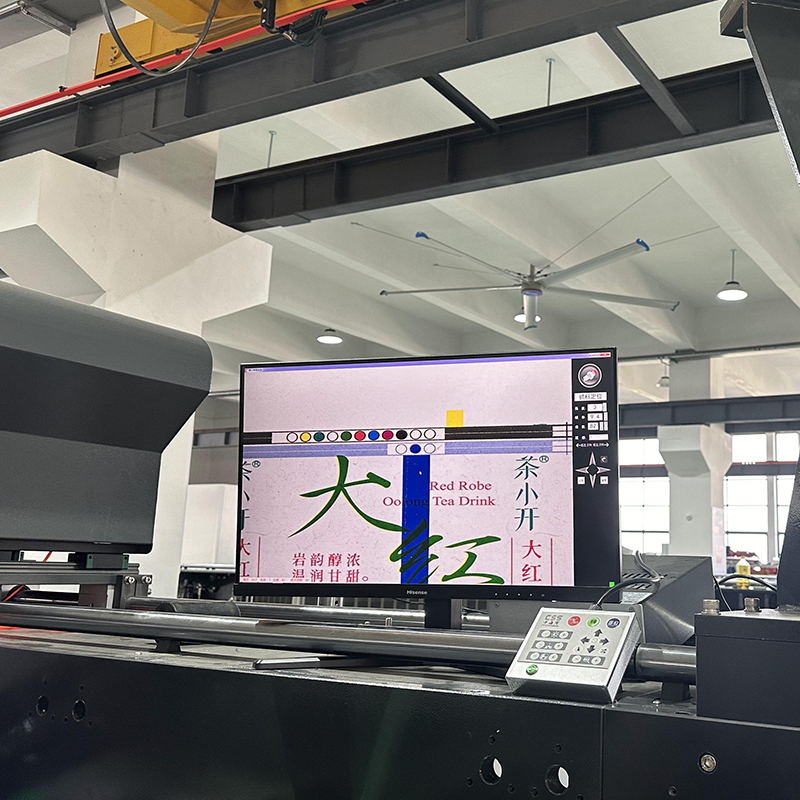
The label flexographic printing press has become the backbone of modern label manufacturing across industries worldwide. From beverage companies to pharmaceutical manufacturers, businesses consistently choose the label flexographic printing press for its unmatched efficiency, cost-effectiveness, and superior print quality. Understanding why the label flexographic printing press dominates production environments reveals critical insights into manufacturing strategy and competitive advantage.
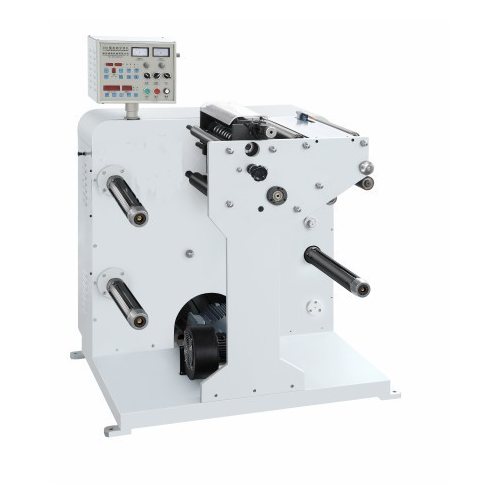
The label flexographic printing press delivers exceptional performance because it combines speed, versatility, and economic viability in ways alternative printing technologies cannot match. Manufacturers who invest in the label flexographic printing press experience faster production cycles, lower material waste, and consistent output quality that meets today's demanding market standards. This article explores the fundamental reasons why the label flexographic printing press remains the preferred choice for label production across diverse sectors.
Superior Speed and Production Capacity
High-Speed Output Capabilities
A label flexographic printing press operates at speeds that conventional printing methods struggle to achieve. The label flexographic printing press can produce hundreds of labels per minute, enabling manufacturers to meet aggressive production deadlines and seasonal demand spikes without overtime costs or operational strain. This speed advantage directly translates to shorter lead times, allowing customers to receive orders faster and manufacturers to reduce inventory holding periods. The label flexographic printing press technology uses rapidly rotating printing plates and continuous feed mechanisms that maximize throughput without compromising print quality or registration accuracy.
Continuous Roll-to-Roll Workflow
The label flexographic printing press functions seamlessly with continuous roll materials, eliminating the setup delays and changeover times associated with sheet-fed printing systems. This continuous workflow means the label flexographic printing press maintains consistent production rhythm throughout extended runs, reducing downtime and increasing annual production capacity. Operators can load massive material rolls onto the label flexographic printing press and execute uninterrupted production cycles lasting hours, maximizing equipment utilization rates and minimizing labor per printed unit.
Economic Efficiency and Cost Reduction
Lower Operational Expenses
The label flexographic printing press generates significant cost savings through multiple operational channels. Flexographic inks used in the label flexographic printing press are water-based and solvent-based options that cost substantially less than specialty inks required by other printing technologies. The label flexographic printing press requires minimal ink volumes for satisfactory print transfer, reducing material consumption without sacrificing coverage or vibrancy. Additionally, the label flexographic printing press uses simple, low-maintenance components that minimize expensive repairs and extend equipment service life compared to complex printing systems.
Reduced Waste and Material Loss
The label flexographic printing press excels at material efficiency because its design minimizes substrate waste during production cycles. Unlike digital or screen printing alternatives, the label flexographic printing press requires minimal setup waste before achieving full production quality, allowing manufacturers to reduce per-unit material costs significantly. Precise registration systems in the label flexographic printing press ensure accurate placement on each label, preventing reject rates that plague less accurate technologies. For high-volume label runs, the waste reduction achieved through the label flexographic printing press directly improves profit margins and competitive pricing power.
Unmatched Versatility and Quality Control
Multi-Color Printing and Design Flexibility
The label flexographic printing press accommodates multiple ink stations that deliver sophisticated multi-color designs in single production passes. This capability enables manufacturers using the label flexographic printing press to produce complex label designs featuring gradients, detailed graphics, and brand-specific color matching without secondary printing operations. The label flexographic printing press achieves color consistency across production runs through standardized ink formulations and precise pressure controls, ensuring that every printed label meets brand specifications exactly. Pharmaceutical, cosmetic, and beverage companies particularly value the label flexographic printing press for its ability to reproduce intricate designs while maintaining regulatory compliance and visual appeal.
Material Compatibility and Substrate Range
The label flexographic printing press demonstrates remarkable flexibility in handling diverse substrate materials. From thin films and foil-backed materials to textured papers and biodegradable options, the label flexographic printing press adapts to virtually any label substrate without requiring extensive equipment modifications. This versatility means companies using the label flexographic printing press can respond rapidly to customer requests for alternative materials without investing in additional printing equipment. The label flexographic printing press maintains consistent print quality regardless of substrate thickness variation, critical for manufacturers serving customers with precise technical specifications.
Environmental and Regulatory Advantages
Sustainable Printing Solutions
Modern label flexographic printing press technology increasingly incorporates water-based inks and eco-friendly formulations that align with global sustainability initiatives. The label flexographic printing press generates minimal chemical waste compared to traditional offset printing, reducing environmental impact and compliance burdens. Manufacturers using the label flexographic printing press can highlight sustainable production credentials to environmentally conscious customers, creating market differentiation. The label flexographic printing press also supports circular economy initiatives through efficient material usage and compatibility with recyclable substrates.
Regulatory Compliance Capabilities
The label flexographic printing press meets strict regulatory requirements across pharmaceutical, food, and consumer product industries. The label flexographic printing press produces permanent, fade-resistant printing that survives product shelf life without deterioration, critical for regulatory label legibility requirements. Manufacturers using the label flexographic printing press can easily incorporate batch codes, expiration dates, and compliance markings with precision that regulatory agencies demand. The label flexographic printing press documentation and traceability features support quality assurance protocols and product recall procedures essential in regulated industries.
FAQ
What makes a label flexographic printing press more reliable than digital printing alternatives?
The label flexographic printing press uses proven, simple mechanical technology with fewer electronic components and failure points than digital systems. Its rotating plate design remains consistent across production runs, while digital technologies depend on complex software calibration and hardware maintenance. The label flexographic printing press demonstrates superior uptime reliability in high-volume production environments where consistent output is non-negotiable for business operations.
Can a label flexographic printing press handle specialty finishes and coatings?
Yes, the label flexographic printing press integrates easily with additional coating and finishing systems that add gloss, matte, or textured finishes after printing. The label flexographic printing press production line accepts secondary coating applications without disrupting the primary printing workflow, enabling manufacturers to create premium label products. This integration capability makes the label flexographic printing press ideal for brands requiring sophisticated finishing effects that enhance shelf impact and product perception.
How does the label flexographic printing press compare to offset printing for large label runs?
The label flexographic printing press outperforms offset printing in production speed, setup efficiency, and material waste reduction on large volume runs exceeding 100,000 units. While offset printing offers superior fine detail quality for certain specialized applications, the label flexographic printing press dominates commercial label manufacturing where speed and cost efficiency drive profitability. The label flexographic printing press provides optimal performance-to-cost ratio for the vast majority of commercial label production scenarios.