
 EN
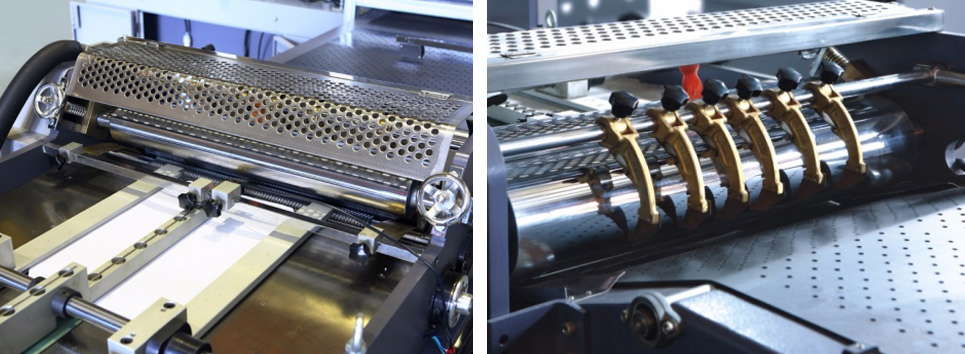
The hardcover making machine represents a cornerstone technology in modern book manufacturing, directly influencing the quality, consistency, and efficiency of every hardcover publication produced. As publishing demands continue to evolve, understanding why a hardcover making machine is crucial becomes essential for manufacturers, publishers, and industry stakeholders who prioritize excellence in their finished products. The precision and reliability offered by modern hardcover making machine systems have fundamentally transformed how books are assembled, bound, and finished, setting new standards for durability and aesthetic appeal.

Quality book manufacturing depends critically on the capabilities of a hardcover making machine. Without proper automation and mechanical precision, publishers face inconsistent binding, poor structural integrity, and aesthetic defects that damage brand reputation and reader satisfaction. The investment in a quality hardcover making machine directly translates to reduced waste, improved product consistency, and enhanced competitive positioning in an increasingly demanding market.
The Critical Role of Precision in Hardcover Production
Consistency Across Large Production Runs
A hardcover making machine delivers uniformity that manual processes cannot match. Every book produced must meet identical specifications for spine thickness, cover attachment strength, and corner folding precision. When a hardcover making machine operates at optimal settings, each unit leaves the production line meeting the same exacting standards, eliminating the variation that characterizes labor-intensive approaches. This consistency directly improves customer satisfaction, reduces return rates, and strengthens the publisher's reputation for reliability.
The mechanical precision of a hardcover making machine ensures that adhesive application, board alignment, and cloth covering all occur with tolerances measured in millimeters. This level of accuracy prevents common defects such as uneven gluing, misaligned covers, or weak binding joints that compromise structural integrity over time. Publishers who invest in advanced hardcover making machine technology report significantly lower defect rates and improved product longevity.
Eliminating Human Variability
Manual hardcover assembly introduces operator-dependent inconsistencies that directly impact final product quality. A hardcover making machine removes this variability by applying standardized processes to every volume. Pressure settings, adhesive cure times, and component positioning become controlled variables rather than skills dependent on individual operator training and attention. This systematic approach to quality control transforms book manufacturing from a craft-based to a precision-engineered discipline.
Production Efficiency and Economic Impact
Throughput and Labor Optimization
A hardcover making machine substantially increases production capacity while reducing direct labor requirements. Modern systems can process hundreds of units per hour, far exceeding manual assembly rates. This efficiency gain allows publishers to scale production without proportional increases in workforce, directly improving margins and enabling competitive pricing strategies. The economic advantage of a hardcover making machine becomes increasingly significant as production volumes grow.
The speed advantage offered by a hardcover making machine also enables faster time-to-market for new titles. Publishers can respond more quickly to market demand, seasonal peaks, and emerging opportunities without capacity constraints. This operational agility provides competitive advantages in a market where timing often determines commercial success.
Waste Reduction and Material Efficiency
A hardcover making machine minimizes material waste through precise control of board cutting, fabric alignment, and adhesive application. Manual processes generate higher scrap rates due to human error, misalignment, and over-application of consumable materials. The precision engineering of a hardcover making machine reduces these losses, directly lowering production costs and supporting sustainability objectives. Over the course of an annual production run, waste reduction from a hardcover making machine can represent significant cost savings.
Quality Standards and Industry Compliance
Meeting Durability Requirements
Industry standards and customer expectations demand hardcover books that withstand repeated handling and remain structurally sound for decades. A hardcover making machine applies adhesive and assembles components in ways that meet or exceed these stringent durability requirements. Proper joint strength, board adhesion, and cloth attachment are all engineering outcomes directly dependent on the capability of the hardcover making machine used in production.
Publishers who use inferior hardcover making machine systems or manual processes frequently encounter complaints about loose bindings, peeling covers, or spine deterioration within months of purchase. These failures damage reputation and generate costly return cycles. A quality hardcover making machine prevents these failures through properly engineered assembly processes that ensure books maintain structural integrity throughout their useful life.
Aesthetic Excellence and Professional Finish
The visual and tactile quality of a hardcover book directly influences purchase decisions and reader perception. A hardcover making machine applies finishes with precision that manual processes struggle to achieve, creating sharp corners, smooth surfaces, and perfectly aligned elements. These aesthetic qualities communicate quality and professionalism, justifying premium pricing and enhancing brand perception. The investment in a hardcover making machine directly translates to products that look and feel premium.
Cover attachment uniformity, cloth grain alignment, and edge finishing all reflect the precision capabilities of a hardcover making machine. Professional publishers recognize that these visual details significantly influence customer perception and willingness to recommend titles to others. A hardcover making machine delivers the consistent excellence that distinguishes premium publications from lower-quality alternatives.
FAQ
What specific quality improvements does a hardcover making machine provide?
A hardcover making machine delivers consistent adhesive application, precise board alignment, uniform cover attachment, and reliable joint formation across every unit produced. These improvements eliminate common defects such as loose bindings, misaligned covers, and weak spines. The result is books with superior structural integrity, professional aesthetics, and extended usable life that justify premium pricing and enhance brand reputation.
How does a hardcover making machine reduce production costs?
A hardcover making machine increases production capacity per hour while reducing labor requirements and material waste. Higher throughput enables economies of scale that lower per-unit costs. Reduced scrap rates from precise material handling further improve margins. The combination of faster production, lower labor intensity, and minimal waste makes a hardcover making machine economically essential for competitive book manufacturing operations.
Can a hardcover making machine handle different book sizes and specifications?
Modern hardcover making machine systems are designed with adjustable tooling and programmable settings that accommodate various book dimensions, cover materials, and binding specifications. Setup times are minimal, allowing quick transitions between different products. This flexibility makes a hardcover making machine suitable for publishers producing diverse catalogs while maintaining consistent quality standards across all titles.