
 EN
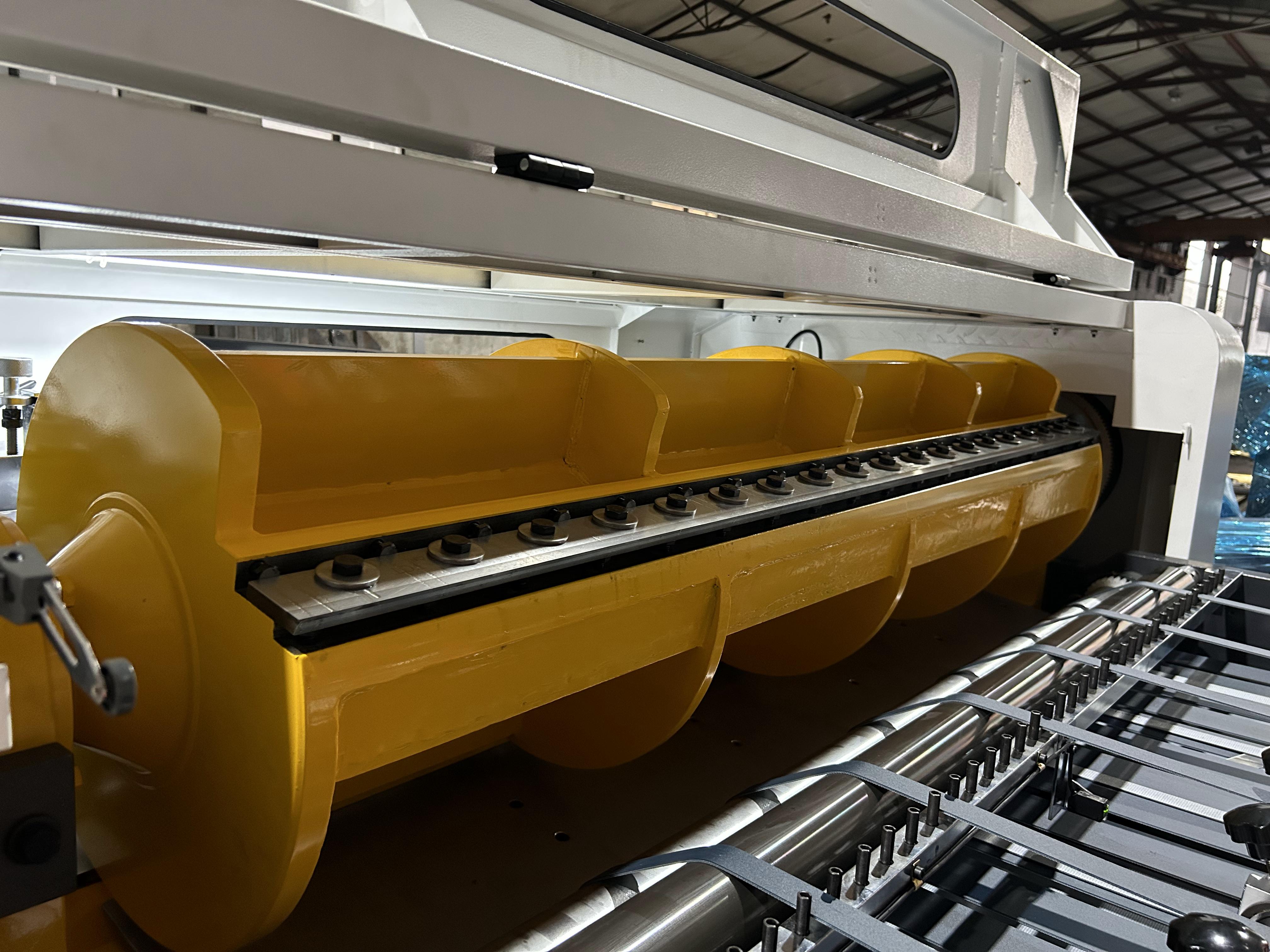
Proper maintenance of a cross cutting machine is fundamental to achieving consistent production results in printing, converting, and packaging operations. A well-maintained cross cutting machine ensures precision, reliability, and minimal downtime, directly impacting your production schedule and bottom line. Understanding the maintenance requirements specific to your cross cutting machine model allows operators and maintenance teams to prevent costly equipment failures and extend machine lifespan significantly.
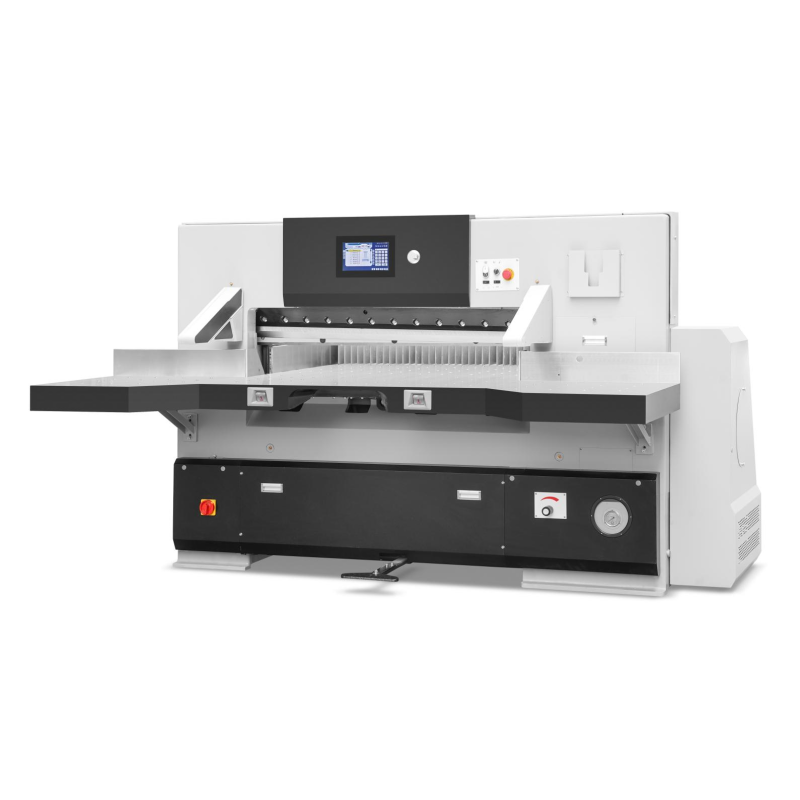
Regular maintenance routines prevent blade dulling, hydraulic leaks, and alignment issues that compromise cut quality. When a cross cutting machine operates without proper care, edges become uneven, material waste increases, and customer satisfaction declines. Implementing a structured maintenance schedule transforms your cross cutting machine into a reliable asset that delivers predictable, high-quality output day after day.
Daily and Weekly Maintenance for Your Cross Cutting Machine
Pre-Shift Inspection Protocol
Before starting production, operators should perform a visual inspection of the cross cutting machine to identify any obvious issues. Check the blade alignment, ensure all safety guards are in place, and verify that the material feed system moves smoothly without obstruction. For your cross cutting machine, this five-minute pre-shift inspection catches minor problems before they become major disruptions, protecting both equipment and personnel.
Listen for unusual noises during the initial startup cycle of your cross cutting machine. Grinding sounds, squealing, or irregular clicking often signal bearing wear, belt tension problems, or hydraulic system issues. Addressing these auditory warnings early prevents catastrophic failures that halt production and require expensive repairs. A cross cutting machine that operates quietly and smoothly indicates proper maintenance is being followed.
Cleaning and Lubrication Essentials
Dust and paper fragments accumulate on the cross cutting machine surfaces and inside mechanical components, reducing efficiency and promoting corrosion. Daily cleaning of the cutting table, blade holder, and feed mechanisms keeps your cross cutting machine operating at peak performance. Use compressed air carefully to avoid forcing debris into sealed bearings or hydraulic ports where your cross cutting machine could be damaged.
Lubrication schedules vary by cross cutting machine model, but most manufacturers recommend applying lubricant to specified pivot points and rail systems weekly. Consult your cross cutting machine operator manual for exact lubrication intervals and approved lubricant types. Using the wrong lubricant on your cross cutting machine can cause sticky buildup or inadequate protection, both compromising cutting precision and machine longevity.
Monthly and Quarterly Cross Cutting Machine Maintenance Tasks
Blade Sharpness and Alignment Checks
The blade is the heart of your cross cutting machine, and its condition directly determines cut quality. Monthly blade inspection involves examining the cutting edge under proper lighting to detect chips, nicks, or dullness. A cross cutting machine with a compromised blade produces ragged edges, increases material waste, and requires operator force adjustments that stress the machine. Most operations replace or sharpen the cross cutting machine blade every four to eight weeks, depending on material type and volume.
Blade alignment is equally critical for your cross cutting machine performance. Misaligned blades cause angled cuts, uneven material separation, and premature wear on the blade and guide rails. Using a straightedge or laser alignment tool, verify that your cross cutting machine blade sits perpendicular to the material path. Even a fraction of a millimeter deviation on your cross cutting machine significantly impacts downstream process quality and increases scrap rates.
Hydraulic System and Pressure Verification
Many modern cross cutting machines rely on hydraulic pressure to deliver cutting force. Monthly hydraulic inspections on your cross cutting machine should include checking fluid levels, inspecting hoses for leaks or cracks, and verifying pressure gauge readings against manufacturer specifications. Low fluid levels or soft hydraulic lines reduce cutting force, making your cross cutting machine unable to cleanly separate material on the first pass.
Pressure testing ensures your cross cutting machine delivers consistent force throughout the cutting cycle. Install a portable pressure gauge at the hydraulic manifold test point on your cross cutting machine to compare actual pressure against expected values. If your cross cutting machine pressure drops below specification, investigate pump wear, valve leakage, or seal degradation before production resumes. Quarterly hydraulic fluid sampling and analysis on your cross cutting machine can detect particle contamination or fluid degradation before major component failure occurs.
Seasonal and Annual Cross Cutting Machine Maintenance
Deep Cleaning and Component Inspection
Twice yearly, perform comprehensive cleaning of your cross cutting machine by removing accumulated dust from motor cooling fins, control panel vents, and sensor optics. A clean cross cutting machine operates cooler and experiences fewer electrical component failures during high-production periods. Environmental contaminants like paper dust and moisture accumulate invisibly, gradually degrading bearing function on your cross cutting machine. Deep cleaning reverses this degradation and extends equipment life by years.
During seasonal maintenance, visually inspect all fasteners on your cross cutting machine and tighten any that have loosened from vibration. Check mounting bolts on the motor, hydraulic pump, and blade carriage assembly. A single loose bolt on your cross cutting machine can cascade into misalignment issues, vibration, and accelerated wear. Use a torque wrench to verify that critical fasteners on your cross cutting machine meet manufacturer specifications.
Belt and Drive System Renewal
Belts and pulleys on your cross cutting machine wear gradually over months of operation. Annual belt inspection reveals cracking, glazing, or fraying that reduces power transmission efficiency. A slipping belt on your cross cutting machine causes incomplete cuts and uneven pressure application. Replace belts proactively before failure rather than waiting for production interruption to signal that your cross cutting machine needs attention.
Pulley alignment directly impacts belt longevity on your cross cutting machine. Misaligned pulleys cause belts to track sideways, increasing friction and heat. Use a straightedge or laser alignment tool annually to verify that pulleys on your cross cutting machine sit in perfect alignment. This simple check prevents premature belt wear and ensures consistent power delivery from your cross cutting machine motor to the cutting mechanism.
FAQ
How often should I replace the blade on my cross cutting machine?
Blade replacement frequency depends on material type and production volume. For a cross cutting machine cutting paper, cardboard, or plastic film, expect blade replacement every four to twelve weeks with normal use. Softer materials allow longer blade life, while abrasive or composite materials require more frequent replacement. Monitor cut quality carefully; if your cross cutting machine begins producing ragged edges or requires excessive operator pressure, blade replacement is overdue.
What signs indicate my cross cutting machine needs immediate maintenance?
Unusual noises, visible leaks, inconsistent cutting pressure, or vibration are warning signs that your cross cutting machine requires urgent attention. Changes in blade position, material feed hesitation, or visible damage to guards also demand immediate inspection. Never ignore these signals on your cross cutting machine, as continuing operation risks equipment damage, safety hazards, and production loss. A cross cutting machine operating abnormally should stop until root causes are identified and resolved.
Can proper maintenance of a cross cutting machine reduce downtime?
Yes, structured maintenance of a cross cutting machine significantly reduces unplanned downtime. Proactive maintenance catches problems before they become critical failures. A cross cutting machine on a regular maintenance schedule experiences fewer unexpected breakdowns, operates more reliably, and maintains higher availability rates. Planned maintenance windows, even if brief, cost far less than emergency repairs and lost production from an idle cross cutting machine.