
 EN
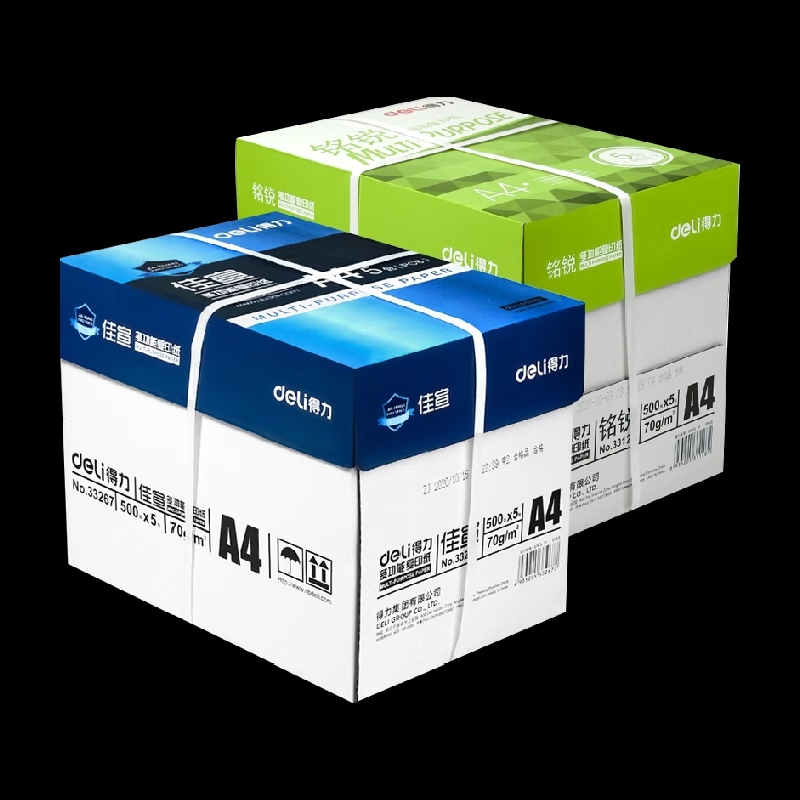
Modern a4 copy paper making machine lines have revolutionized the paper production industry through cutting-edge technological advancements and streamlined operational processes. These sophisticated systems represent the culmination of decades of engineering innovation, designed specifically to maximize output while minimizing waste and energy consumption. The efficiency gains achieved by contemporary a4 copy paper making machine installations have transformed how manufacturers approach production scheduling, quality control, and cost management. Understanding the driving factors behind this efficiency revolution is essential for operations managers, mill directors, and procurement specialists seeking to optimize their paper production capabilities.
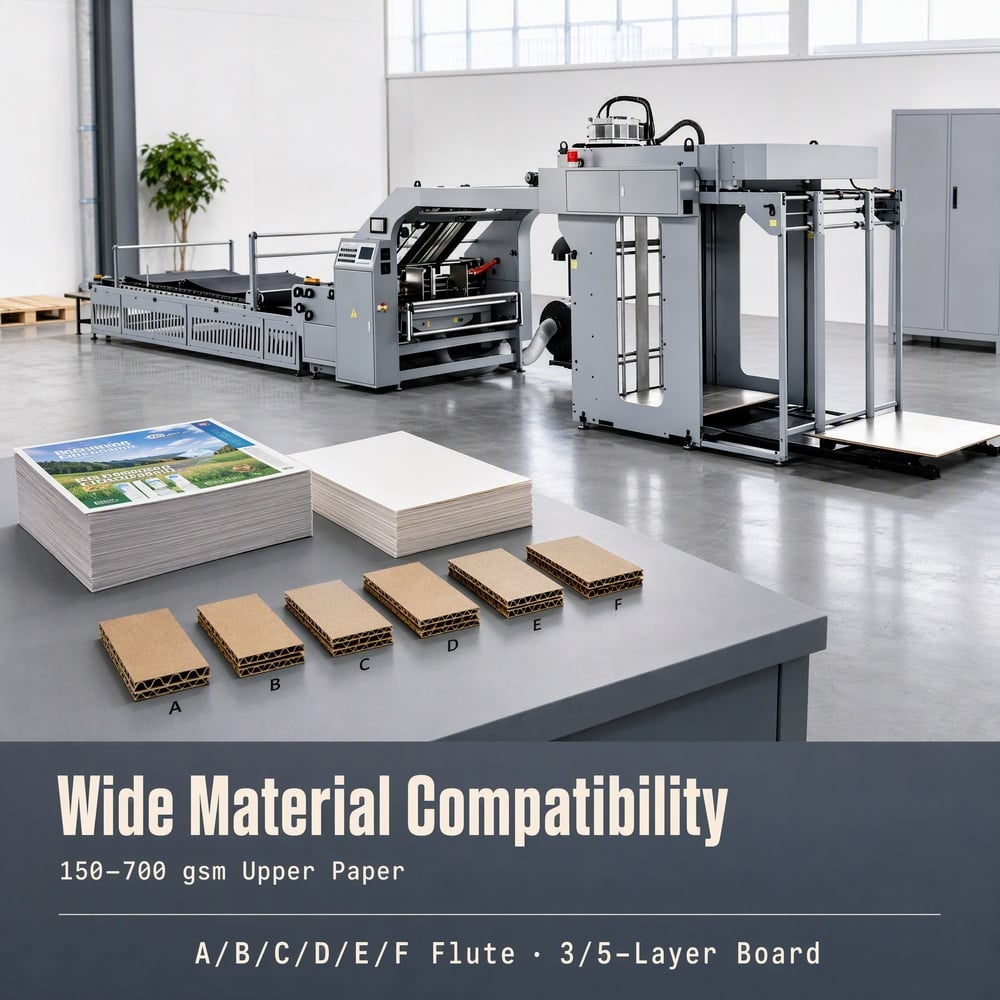
The efficiency of a modern a4 copy paper making machine is not attributable to a single factor but rather to an integrated ecosystem of technological, operational, and design improvements working in concert. Each component of the a4 copy paper making machine system has been engineered to reduce idle time, optimize material flow, and enhance throughput capacity. The result is a production environment where downtime is minimized, quality consistency is maximized, and energy efficiency reaches unprecedented levels. This comprehensive approach to machine design explains why manufacturers investing in modern a4 copy paper making machine technology experience significant returns on investment within relatively short timeframes.
Advanced Automation and Process Control Systems
Intelligent Automation Integration
Modern a4 copy paper making machine lines incorporate sophisticated automation systems that manage every stage of production with minimal human intervention. These intelligent control networks monitor fiber consistency, moisture levels, temperature variations, and pressure differentials across the entire a4 copy paper making machine operation. Real-time sensor feedback enables the a4 copy paper making machine to make instantaneous adjustments to process parameters, preventing quality deviations before they occur. The predictive capabilities embedded within contemporary a4 copy paper making machine control systems allow operators to anticipate maintenance needs, schedule interventions during planned downtime, and maintain uninterrupted production schedules.
Machine-to-Machine Communication Networks
The integration of industrial internet of things (IIoT) technology within modern a4 copy paper making machine installations has created an interconnected production environment where data flows seamlessly between different operational stations. Each component of the a4 copy paper making machine continuously communicates its operational status, performance metrics, and diagnostic information to centralized monitoring systems. This networked approach enables the a4 copy paper making machine to optimize production flows dynamically, allocating resources where they are most needed and preventing bottlenecks from developing. The result is that a modern a4 copy paper making machine operates with mechanical synchronization that would be impossible to achieve through manual supervision alone.
Material Efficiency and Waste Reduction Mechanisms
Optimized Fiber Utilization
Contemporary a4 copy paper making machine designs prioritize the extraction of maximum usable fiber from raw material inputs through advanced processing techniques. The pulping and beating processes within a modern a4 copy paper making machine are calibrated to achieve optimal fiber development while minimizing energy consumption during processing. Closed-loop recycling systems integrated into today's a4 copy paper making machine installations capture fiber particles that would traditionally be lost as waste, reintroducing them into the production stream. Advanced screening technologies within the a4 copy paper making machine remove contaminants and foreign particles with unprecedented precision, ensuring that only high-quality fibers proceed to the forming stage.
Waste Stream Management
Modern a4 copy paper making machine operations generate significantly less waste per unit of output compared to legacy equipment through engineered efficiency in every production stage. The dewatering sections of contemporary a4 copy paper making machine lines remove moisture more completely and uniformly, reducing the energy required for subsequent drying processes. Trim waste from the a4 copy paper making machine cutting operations is automatically collected and directed to recovery systems rather than disposed of as scrap. This comprehensive waste management approach within the a4 copy paper making machine ecosystem transforms byproducts into valuable inputs for energy generation and secondary fiber applications.
Energy Optimization and Thermal Management
Efficient Drying Technology
The drying section represents the most energy-intensive component of any a4 copy paper making machine operation, and modern designs have achieved dramatic efficiency improvements in this critical stage. Contemporary a4 copy paper making machine systems utilize advanced heat recovery technologies that capture waste heat from exhaust streams and redirect it to support additional drying tasks. Infrared and microwave drying technologies integrated into leading-edge a4 copy paper making machine installations provide targeted energy delivery that accelerates drying while reducing overall thermal load. The engineered air management systems within modern a4 copy paper making machine dryers ensure uniform moisture profiles across the paper web, minimizing over-drying and its associated energy waste.
Drive System Efficiency
The mechanical drive systems powering a modern a4 copy paper making machine have evolved dramatically through the adoption of variable frequency drives and regenerative motor technologies. These advanced drive components enable the a4 copy paper making machine to modulate power consumption based on actual processing demands rather than operating at constant maximum output. The synchronization between drive motors within the a4 copy paper making machine system eliminates mechanical stress and vibration that would otherwise accelerate component wear and reduce operational efficiency. Modern a4 copy paper making machine installations equipped with these drive technologies reduce overall energy consumption by 15 to 25 percent compared to earlier generation equipment operating at equivalent throughput levels.
Quality Consistency and Output Optimization
In-Process Quality Monitoring
The quality control infrastructure embedded within modern a4 copy paper making machine systems operates continuously throughout the production run, enabling real-time detection and correction of quality deviations. Advanced optical scanning systems mounted across the width of the a4 copy paper making machine measure basis weight, brightness, smoothness, and moisture with microsecond precision at speeds exceeding 1000 meters per minute. Machine vision technology integrated into the a4 copy paper making machine detects surface defects, tears, and contamination with sensitivity levels that human inspectors cannot achieve. When the a4 copy paper making machine detects out-of-specification conditions, automated correction systems intervene immediately, preventing the production of off-spec material and minimizing the volume of waste generated.
Production Velocity and Throughput
Modern a4 copy paper making machine designs push operational speeds to levels that were not technically feasible with earlier equipment, directly translating higher velocity into improved efficiency metrics. The structural rigidity and bearing systems within contemporary a4 copy paper making machine installations enable stable operation at speeds where vibration and mechanical stress would disable legacy equipment. The fluid dynamics engineering within the a4 copy paper making machine headbox ensures consistent fiber distribution even at these elevated speeds, maintaining quality while maximizing output. Operators managing a modern a4 copy paper making machine benefit from production velocities that deliver 30 to 50 percent higher throughput compared to equipment manufactured just one decade earlier.
FAQ
What specific technology upgrades make modern a4 copy paper making machine lines more efficient than older models?
Modern a4 copy paper making machine lines incorporate variable frequency drives, advanced automation controls, industrial IoT monitoring systems, heat recovery technologies, and predictive maintenance algorithms that older equipment simply does not possess. These cumulative technological enhancements enable contemporary a4 copy paper making machine systems to operate at higher speeds with lower energy consumption and reduced waste generation compared to legacy installations.
How does automation within a4 copy paper making machine operations reduce production downtime and labor costs?
Automation within a4 copy paper making machine systems eliminates manual intervention during routine production tasks, enabling fewer operators to manage larger production volumes safely and effectively. The predictive maintenance capabilities embedded in modern a4 copy paper making machine controls identify component wear before catastrophic failure occurs, allowing scheduled maintenance during planned downtime rather than emergency shutdowns that disrupt production schedules and incur overtime labor costs.
Can existing paper mills upgrade their a4 copy paper making machine systems to modern efficiency standards?
Many existing mills can achieve significant efficiency improvements through targeted upgrades to critical a4 copy paper making machine components, including drive system retrofits, automation control system installation, and heat recovery equipment integration. However, complete a4 copy paper making machine line replacements often provide superior efficiency gains and typically offer better long-term cost economics compared to partial equipment upgrades on aging installations.
Table of Contents
- Advanced Automation and Process Control Systems
- Material Efficiency and Waste Reduction Mechanisms
- Energy Optimization and Thermal Management
- Quality Consistency and Output Optimization
-
FAQ
- What specific technology upgrades make modern a4 copy paper making machine lines more efficient than older models?
- How does automation within a4 copy paper making machine operations reduce production downtime and labor costs?
- Can existing paper mills upgrade their a4 copy paper making machine systems to modern efficiency standards?