Flexographic Label Printer Solutions

All Categories

Get a Free Quote

Our representative will contact you soon.
Email
Name
Company Name
Message
0/1000

flexographic label printer

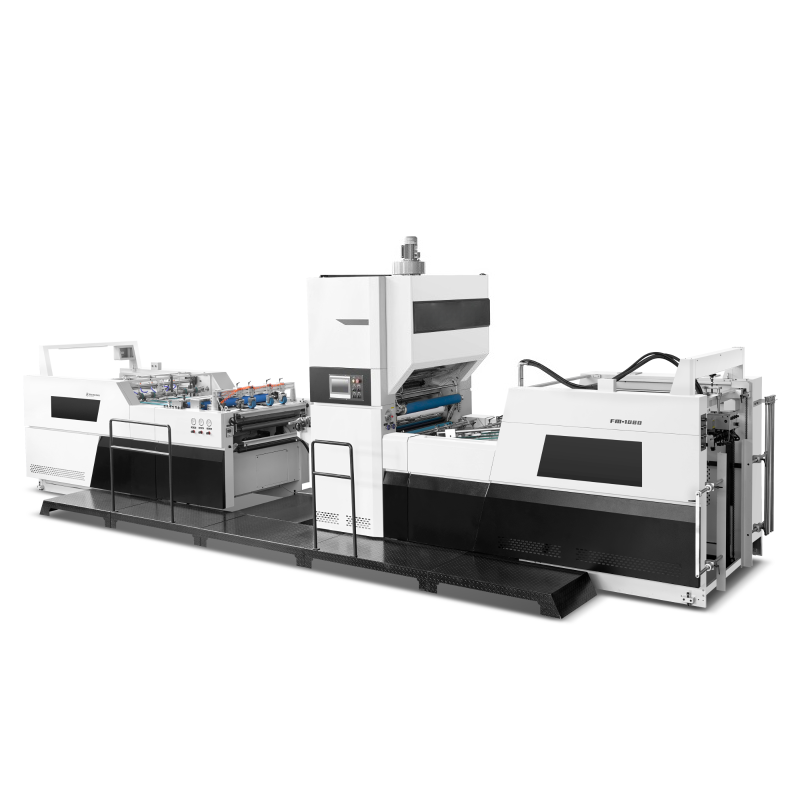
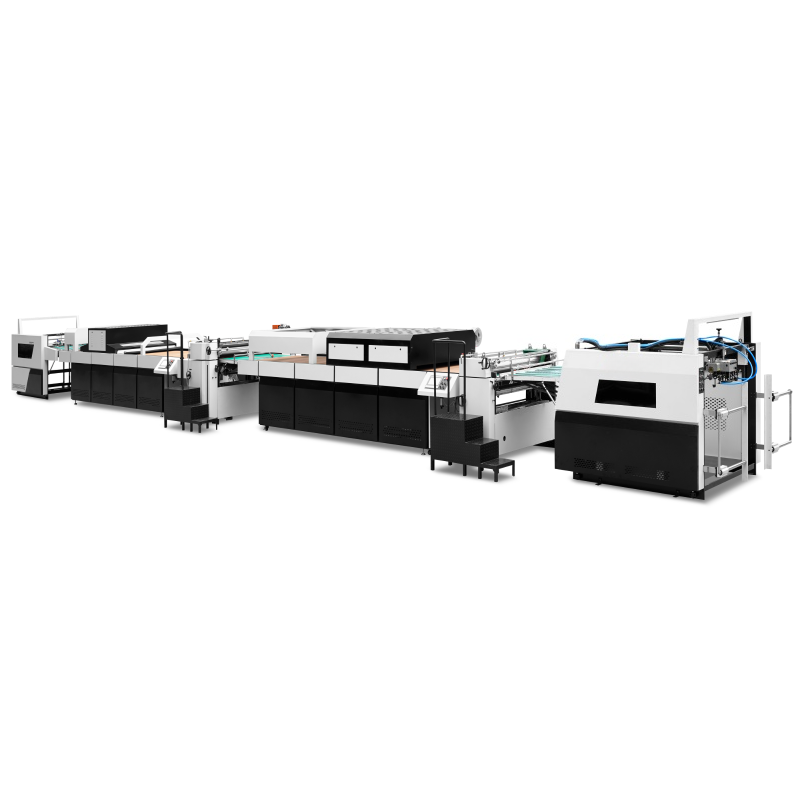
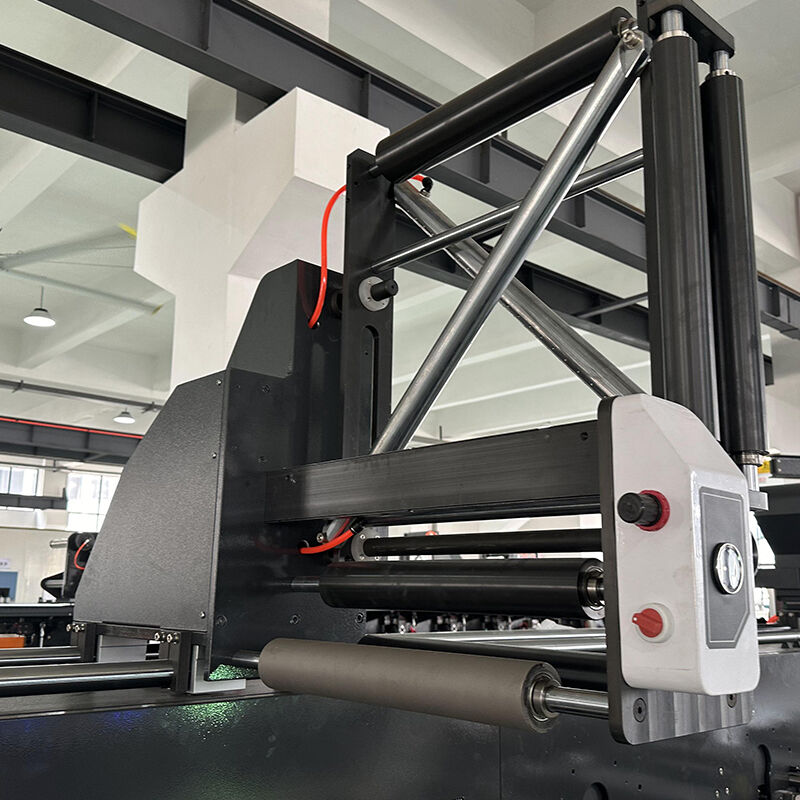
A flexographic label printer is a versatile printing machine designed specifically for producing high-quality labels at exceptional speed and efficiency. This advanced printing technology utilizes flexible relief plates mounted on rotating cylinders to transfer ink onto various substrate materials, making it ideal for label manufacturing across multiple industries. The flexographic label printer operates through a continuous web-fed process, where labels are printed in rolls, ensuring consistent quality and rapid production capabilities. The main functions include multi-color printing, precise registration control, and the ability to handle diverse substrate materials such as paper, film, foil, and synthetic materials. Technologically, these printers incorporate advanced features like anilox roller systems for precise ink metering, quick-change plate cylinders for efficient job changeovers, and sophisticated tension control mechanisms that maintain substrate stability throughout the printing process. Modern flexographic label printers often integrate inline finishing capabilities including die-cutting, laminating, varnishing, and inspection systems, creating a complete label production solution. The applications span across numerous sectors including food and beverage packaging, pharmaceutical labeling, cosmetics, logistics, retail products, and industrial applications. Whether producing simple barcode labels or complex multi-layer security labels, the flexographic label printer delivers outstanding print quality with vibrant colors and sharp detail. This printing method has become the industry standard for label production due to its cost-effectiveness for medium to long production runs, flexibility in handling various materials, and ability to incorporate special effects like metallic inks, spot colors, and texture finishes.

Popular Products

The flexographic label printer offers significant cost advantages for businesses requiring consistent label production, delivering lower per-unit costs as production volumes increase, making it economically superior for medium to large-scale manufacturing operations. Operational efficiency stands as a primary benefit, with these printers achieving impressive production speeds that can exceed thousands of linear meters per hour, dramatically reducing manufacturing time and increasing throughput compared to alternative printing methods. The quick-change plate system minimizes downtime between jobs, allowing businesses to respond rapidly to market demands and maintain flexible production schedules. Versatility represents another compelling advantage, as the flexographic label printer handles an extensive range of substrate materials from thin films to thick paperboard, enabling businesses to produce diverse label types using a single machine. This adaptability eliminates the need for multiple specialized printers, reducing capital investment and operational complexity. Print quality consistently meets commercial standards with excellent color vibrancy and registration accuracy, satisfying demanding brand requirements while maintaining production efficiency. The technology proves particularly suitable for applications requiring food-safe inks and compliance with regulatory standards, making it ideal for food, beverage, and pharmaceutical industries. Environmental considerations favor flexographic printing as it typically uses water-based and UV-curable inks, reducing volatile organic compound emissions compared to solvent-based alternatives. Maintenance requirements remain manageable with straightforward cleaning procedures and readily available replacement parts, ensuring sustained productivity. The inline finishing capabilities integrated into modern flexographic label printers create complete production workflows, eliminating separate post-processing steps and reducing handling costs. For decision-making purposes, the combination of speed, versatility, quality, and cost-efficiency makes the flexographic label printer an excellent investment for businesses seeking reliable, scalable label production capabilities that grow with expanding market demands.

Latest News

RUIAN MOSUN MACHINERY will make its debut at Eurasia Packaging Istanbul 2025

07

Apr

RUIAN MOSUN MACHINERY will make its debut at Eurasia Packaging Istanbul 2025

View More
MOSUN · ALLPRINT Indonesia 2025 Invitation

07

Apr

MOSUN · ALLPRINT Indonesia 2025 Invitation

View More
MOSUN Makes Its Debut at Expo Gráfica Mexico 2024 to Expand Latin American Market

07

Apr

MOSUN Makes Its Debut at Expo Gráfica Mexico 2024 to Expand Latin American Market

View More

Get a Free Quote

Our representative will contact you soon.
Email
Name
Company Name
Message
0/1000

flexographic label printer

High-Speed Production Capability

High-Speed Production Capability

The flexographic label printer excels in delivering exceptional production speeds that transform label manufacturing efficiency and business profitability. This advanced printing technology can achieve speeds ranging from 50 to over 200 meters per minute depending on the configuration and complexity of the design, enabling manufacturers to complete large orders in significantly shorter timeframes compared to alternative printing methods. This speed advantage directly translates into lower labor costs per unit and faster order fulfillment, providing businesses with competitive advantages in responsive customer service. The continuous web-fed process inherent in flexographic printing eliminates the stop-start cycles associated with sheet-fed printing, maintaining consistent momentum throughout production runs. Modern flexographic label printers incorporate servo-driven systems that ensure precise speed control and synchronization across all printing stations, maintaining registration accuracy even at maximum speeds. This combination of velocity and precision enables businesses to accept rush orders, reduce inventory carrying costs through just-in-time production, and maximize equipment utilization rates. The high-speed capability particularly benefits industries with seasonal demand fluctuations, allowing manufacturers to quickly scale production during peak periods without compromising quality or requiring additional equipment investments.
Multi-Substrate Versatility

Multi-Substrate Versatility

One of the most valuable characteristics of the flexographic label printer is its remarkable ability to print on virtually any flexible substrate material, providing manufacturers with unmatched production flexibility. This versatility extends across paper materials ranging from uncoated to high-gloss coated stocks, plastic films including polyethylene, polypropylene, and polyester, metallic foils, laminates, and specialized synthetic materials designed for extreme environmental conditions. The flexographic printing process accommodates substrate thickness variations from ultra-thin films to substantial paperboard, with tension control systems automatically adjusting to material characteristics. This adaptability proves invaluable for businesses serving diverse markets or producing varied product lines, as a single flexographic label printer can handle multiple label types without requiring separate specialized equipment. The ability to print on non-porous substrates makes flexographic printing ideal for moisture-resistant labels, outdoor applications, and products requiring durability under challenging conditions. Additionally, the flexographic label printer successfully prints on textured and uneven surfaces, expanding creative possibilities for premium label designs. This multi-substrate capability reduces production complexity, minimizes material waste during changeovers, and enables businesses to explore new market opportunities without significant capital investment in additional printing equipment.
Integrated Inline Finishing Systems

Integrated Inline Finishing Systems

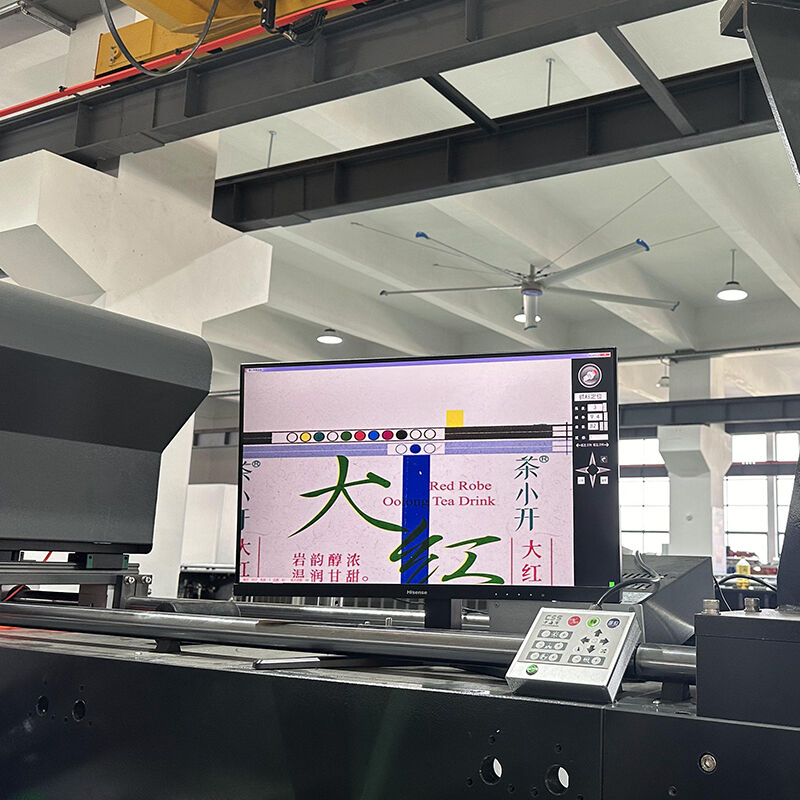
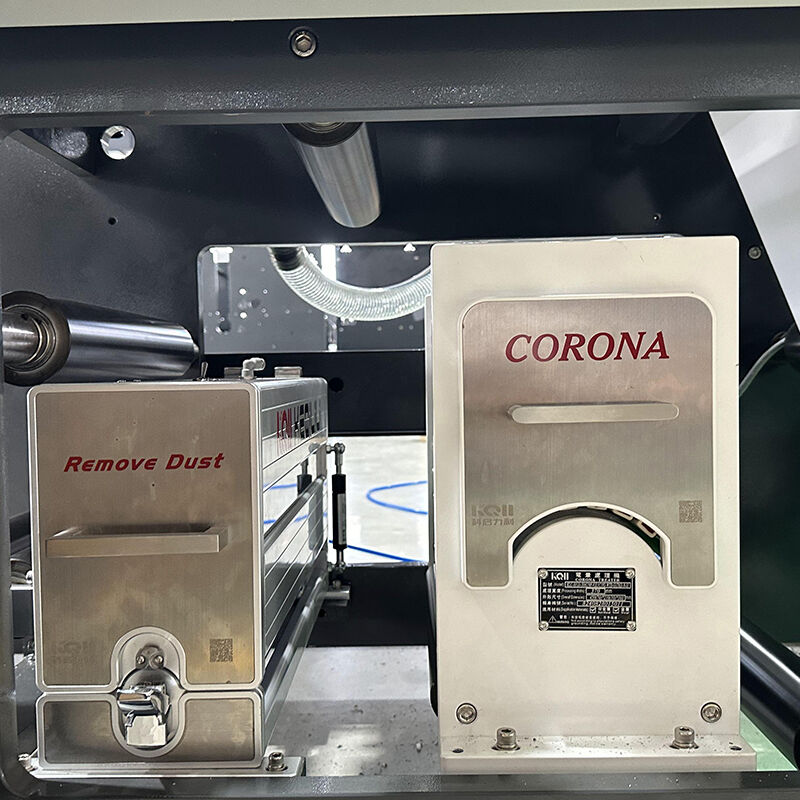
Modern flexographic label printers distinguish themselves through sophisticated integrated inline finishing capabilities that transform raw printed webs into completed, ready-to-apply labels within a single continuous process. These integrated systems eliminate the need for separate post-processing operations, dramatically reducing handling costs, minimizing quality risks associated with material transfer, and accelerating overall production timelines. Typical inline finishing features include precision rotary die-cutting that creates custom label shapes with clean edges and consistent dimensions, laminating stations that apply protective or decorative overlays, cold foil or hot stamping units for premium metallic effects, screen printing stations for spot varnishes or tactile effects, and automated waste matrix removal systems. Advanced flexographic label printers also incorporate inline quality inspection systems utilizing high-resolution cameras and specialized software to detect defects, verify barcode readability, and ensure color consistency throughout production runs. These inspection systems can automatically flag defective labels, maintain production records, and trigger adjustments when deviations occur, ensuring consistent quality without manual intervention. The integration of slitting and rewinding capabilities allows finished labels to be produced in customer-specified roll configurations, ready for immediate use in automated labeling equipment. This comprehensive inline approach reduces the number of production steps, minimizes material handling that could introduce defects, and creates a streamlined workflow from raw substrate to finished product, delivering significant operational efficiency and cost advantages.

Get a Free Quote

Our representative will contact you soon.
Email
Name
Company Name
Message
0/1000