
 EN
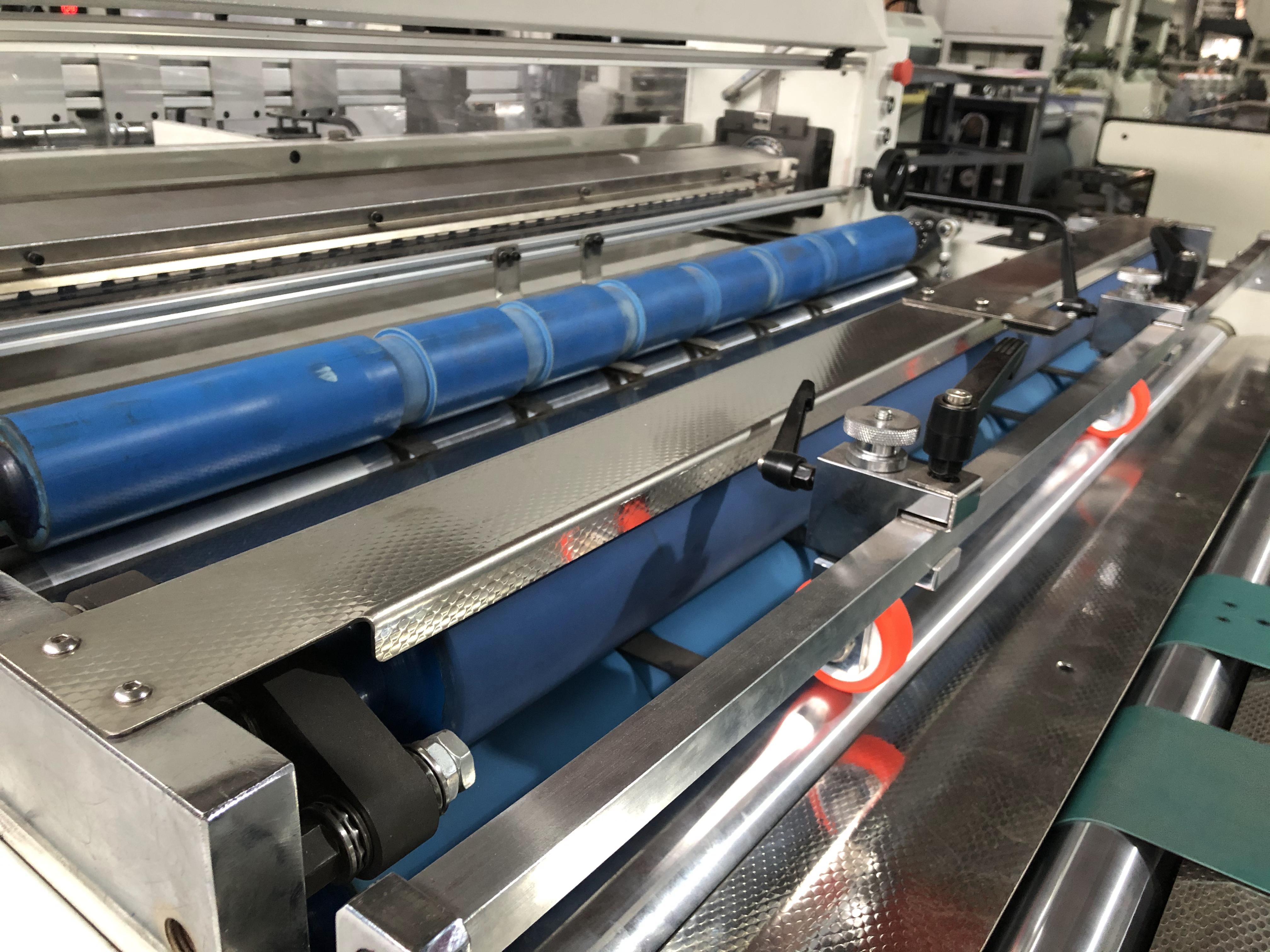
The global shift toward sustainable packaging has created unprecedented demand for businesses seeking to reduce their environmental footprint while maintaining profitability. A paper bag making machine represents one of the most effective solutions for organizations looking to embrace eco-friendly production practices. Unlike plastic alternatives, paper bag making machines enable companies to produce biodegradable, recyclable packaging that meets modern consumer expectations and regulatory standards. This technology transforms raw materials into finished products with minimal waste, making it a cornerstone investment for businesses committed to sustainable growth.

Implementing a paper bag making machine into your production facility directly supports sustainable packaging growth by automating the conversion of kraft paper and recycled materials into finished bags. The technology streamlines manufacturing workflows, reduces labor costs, and dramatically increases output consistency compared to manual processes. Companies that integrate this equipment experience measurable improvements in their sustainability metrics, cost structure, and market competitiveness. Understanding how a paper bag making machine operates and contributes to your business goals is essential for making informed investment decisions in today's packaging landscape.
Understanding Paper Bag Making Machine Technology
Core Manufacturing Capabilities
A paper bag making machine automatically processes flat kraft paper rolls into completed bags through a series of integrated operations. The machinery performs folding, sealing, printing, and handle attachment in continuous cycles, eliminating bottlenecks that plague manual bag production. Modern paper bag making machines accommodate multiple bag sizes and styles within a single production run, providing manufacturers with exceptional flexibility. The precision engineering ensures consistent bag dimensions, seal integrity, and handle strength across thousands of units per hour, meeting strict quality standards across retail, food service, and industrial sectors.
Material Processing and Efficiency
Paper bag making machines optimize material utilization by processing rolls with minimal scrap generation and waste. The machinery cuts, folds, and seals paper stock in ways that maximize yield from each roll, significantly reducing material costs per unit produced. Because the paper bag making machine operates at high speeds with minimal operator intervention, energy consumption per bag remains remarkably low compared to alternative packaging methods. This efficiency translates directly into sustainable packaging growth by reducing both raw material demand and manufacturing carbon footprint, creating economic incentives that align with environmental responsibility.
Driving Sustainable Packaging Growth Through Production Capability
Meeting Market Demand for Eco-Friendly Solutions
Consumer preference for sustainable packaging has accelerated dramatically, with retailers and food businesses actively seeking reliable suppliers of paper bags. A paper bag making machine positions manufacturers to capture this growing market segment by enabling rapid scaling of production without proportional increases in capital expenditure. Companies deploying this equipment can respond quickly to demand spikes, fulfill large orders consistently, and maintain competitive pricing that reflects their manufacturing advantages. The paper bag making machine essentially unlocks access to premium market segments where environmental credentials directly influence purchasing decisions and brand loyalty.
Regulatory Compliance and Certification
Jurisdictions worldwide are implementing restrictions on single-use plastics and mandating sustainable packaging alternatives, creating regulatory tailwinds for paper-based solutions. A paper bag making machine helps manufacturers produce bags that meet food safety certifications, compostability standards, and recyclability requirements across multiple markets. This compliance capability eliminates costly redesigns and production delays that plague companies relying on outdated equipment or manual processes. By investing in this technology, businesses future-proof their operations against tightening regulations while positioning themselves as industry leaders in sustainable packaging innovation.
Optimizing Business Performance and Sustainability Metrics
Cost Reduction and Profitability
Operating a paper bag making machine significantly reduces per-unit production costs through labor efficiency, material optimization, and economies of scale. Automated processes minimize human error, reduce rework rates, and eliminate wage inflation pressures associated with labor-intensive manufacturing. The paper bag making machine generates predictable production costs, allowing manufacturers to establish stable pricing while maintaining healthy margins even in competitive markets. These financial improvements enable businesses to reinvest in sustainability initiatives, expand production capacity, and develop innovative bag designs that further differentiate their offerings from competitors.
Environmental Impact and Brand Value
Companies that deploy a paper bag making machine demonstrate genuine commitment to sustainability through measurable reductions in plastic waste, carbon emissions, and landfill contribution. This environmental performance creates powerful marketing narratives that resonate with environmentally conscious consumers and business partners. The paper bag making machine enables companies to publish credible sustainability reports, pursue environmental certifications, and build brand reputation as responsible manufacturers. This brand equity often translates into price premiums, customer loyalty, and competitive advantages that extend far beyond the immediate operational improvements achieved through automated production.
FAQ
What production capacity should a paper bag making machine deliver for sustainable packaging growth?
A paper bag making machine should produce between 20,000 to 60,000 bags per day depending on bag size and complexity, enabling manufacturers to scale production rapidly while maintaining consistent quality. The specific capacity requirement depends on your target market size, customer order volumes, and competitive positioning within your industry. Starting with equipment rated for your current production needs while maintaining expansion capability ensures you can capture growth opportunities without costly equipment upgrades.
How does a paper bag making machine reduce manufacturing waste compared to manual processes?
A paper bag making machine minimizes waste through precision cutting, optimized nesting patterns, and automated quality control that reduces defective units. Unlike manual bag production, which generates significant scrap from inconsistent cutting and handling errors, automated equipment achieves material utilization rates exceeding ninety-five percent. This waste reduction directly improves profitability while reducing your environmental footprint and supporting sustainable packaging growth initiatives.
What types of bags can a paper bag making machine produce for different market applications?
A paper bag making machine can produce shopping bags, lunch bags, food service bags, kraft bags with handles, and specialty bags featuring custom printing and branding. Modern equipment allows operators to switch between bag styles and sizes without extended downtime, enabling manufacturers to serve diverse customer segments from a single production facility. This versatility ensures your paper bag making machine investment generates returns across multiple revenue streams and customer relationships.