
 EN
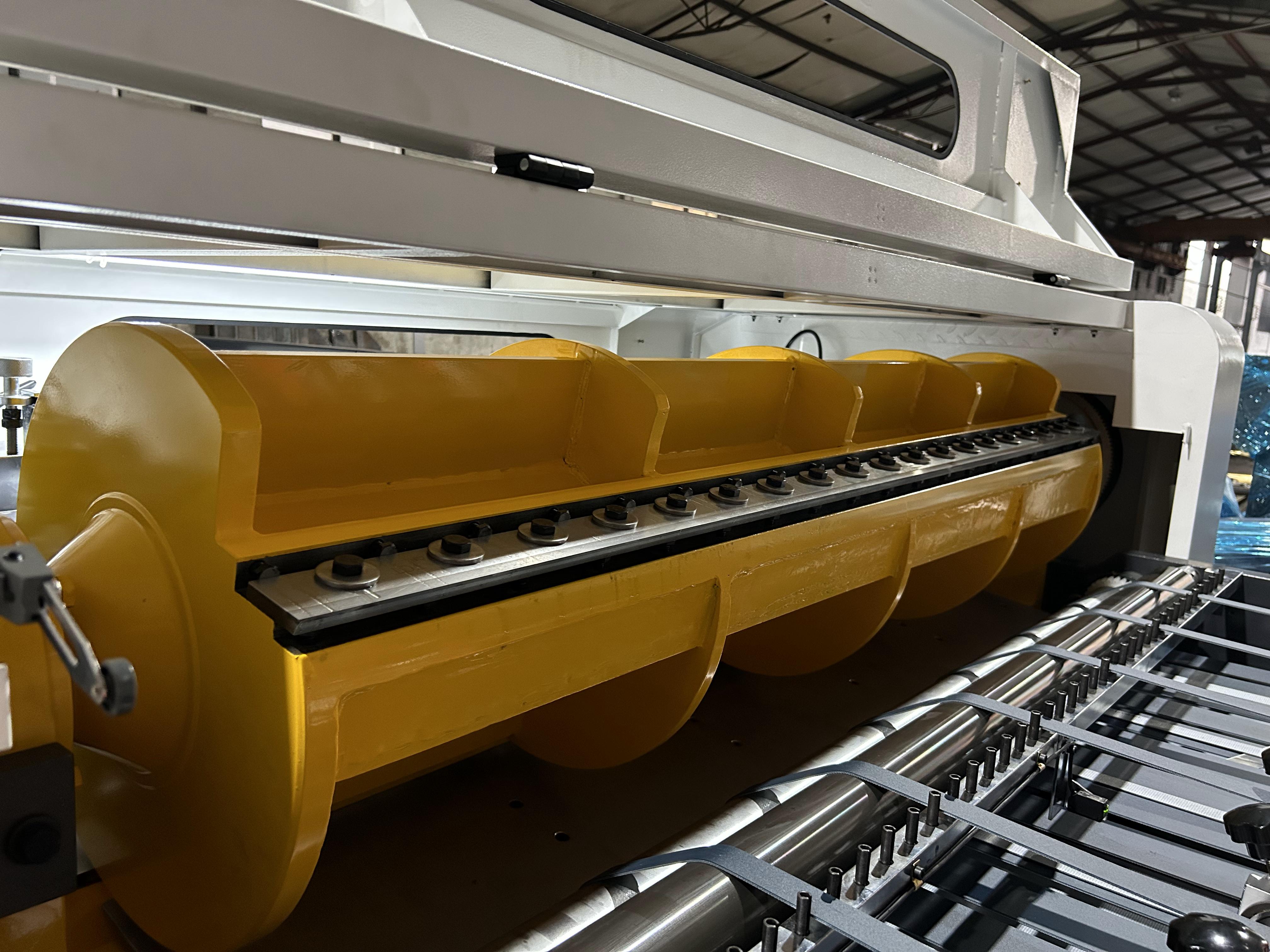
Paper converting is one of the most demanding industrial processes, requiring precision, speed, and consistency at every stage. A cross cutting machine has become the backbone of modern paper converting operations, enabling manufacturers to transform large parent rolls into finished products with exact dimensions and minimal waste. Understanding why these machines are so widely adopted reveals the competitive advantages they deliver to paper converters worldwide. The investment in quality cross cutting machine technology directly impacts production efficiency, product quality, and profitability in this highly competitive sector.
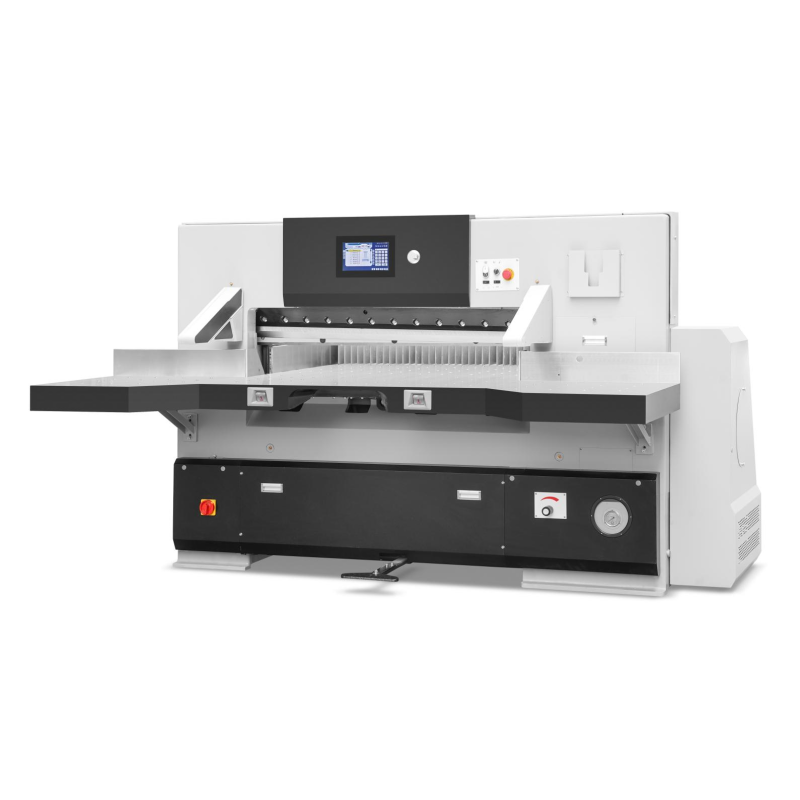
The paper converting industry relies on cross cutting machine solutions to meet tight deadline pressures while maintaining strict quality standards. Whether processing tissue, specialty paper, or kraft materials, converters depend on reliable cutting equipment that can handle various thicknesses, widths, and substrate types. The widespread adoption of advanced cross cutting machine technology reflects the industry's demand for automation that reduces labor costs, improves accuracy, and scales production capacity without compromising end-product quality.
Precision and Consistency Drive Market Demand
Exact Dimensional Control
One of the most compelling reasons paper converters choose a cross cutting machine is the ability to achieve precise dimensional accuracy across every single cut. Manual cutting methods introduce human variability and inconsistency, leading to product rejects and customer dissatisfaction. A modern cross cutting machine cuts to tolerances measured in fractions of millimeters, ensuring every sheet meets specification without variation. This level of precision is especially critical for converters serving automotive interiors, food packaging, and hygiene product manufacturers, where dimensional accuracy directly impacts downstream assembly and customer satisfaction.
Waste Reduction and Material Efficiency
Paper is a costly raw material, and waste directly reduces profit margins in converting operations. A well-calibrated cross cutting machine minimizes trim waste and orphan pieces by optimizing the cutting pattern for each parent roll. Automated systems calculate the most efficient cut sequences, reducing scrap by 5-15% compared to manual methods. For large-scale converters processing thousands of rolls annually, this waste reduction compounds into significant cost savings. The economic advantage of deploying a professional cross cutting machine justifies capital investment within months for most operations, making it a financially sound decision for growth-focused manufacturers.
Production Speed and Throughput Capacity
High-Speed Processing Without Quality Loss
Paper converting schedules are often compressed, with customers demanding rapid turnaround on custom orders. A cross cutting machine enables converters to dramatically increase throughput while maintaining consistent quality. Modern equipment operates at cutting speeds of hundreds of cuts per minute, depending on substrate type and thickness. This speed advantage allows converters to fulfill urgent orders without overtime labor costs or weekend shifts. The flexibility to scale production up or down using a single cross cutting machine gives manufacturers the agility to respond to market demand and seasonal spikes without maintaining excess workforce capacity.
Continuous Operation and Reduced Downtime
Industrial-grade cross cutting machine systems are engineered for reliability and continuous operation across extended production runs. Automatic blade sharpening, hydraulic systems, and precision guidance mechanisms keep the equipment running with minimal interruption. When downtime does occur, quick-change blade systems and modular design allow fast recovery. For converters operating multiple shifts or 24/7 production cycles, a dependable cross cutting machine is not just a convenience but a necessity. The reduction in unplanned stoppages directly translates to higher equipment utilization rates and better inventory fulfillment performance.
Versatility and Adaptability Across Product Lines
Multi-Substrate Capability
Paper converters rarely work with a single product category. They must handle tissue, newsprint, kraft, coated papers, and specialty substrates within the same facility. A versatile cross cutting machine accommodates this diversity without requiring separate equipment for each material type. Adjustable cutting pressure, blade spacing, and feed speed allow one cross cutting machine to process materials ranging from thin tissue to heavy cardstock. This flexibility reduces capital equipment costs and floor space requirements, allowing converters to maximize production variety from a leaner operational footprint. Manufacturers can quickly reprogram cutting patterns, dimensions, and speeds to switch between product runs in minutes rather than hours.
Custom Size Production and Market Responsiveness
Market trends in paper converting increasingly favor customized sizes and niche product specifications. A cross cutting machine with programmable controls empowers converters to produce small-batch custom sizes economically. Without this capability, custom orders would be prohibitively expensive or require manual labor that introduces inconsistency. The competitive advantage of a programmable cross cutting machine allows converters to capture market share in value-added segments where larger competitors cannot economically compete. This adaptability extends product line diversity and opens revenue opportunities that would otherwise be inaccessible.
Quality Assurance and Compliance Benefits
Consistent Output for Downstream Processes
When paper sheets feed into converting processes like folding, wrapping, or packaging, dimension consistency is critical. A cross cutting machine that delivers uniform sheet dimensions eliminates jams, misfeeds, and quality errors in downstream equipment. This reduction in secondary line stoppages improves overall equipment effectiveness (OEE) across the entire converting facility. Converters that invest in precision cross cutting machine systems report fewer complaints from customers about dimensional variation, resulting in better retention and premium pricing power. The quality assurance benefit extends beyond internal operations to strengthen customer relationships and brand reputation.
Documentation and Traceability
Modern cross cutting machine systems include digital logging and data recording capabilities that document every cut. This traceability is increasingly required by regulated industries such as pharmaceuticals, food contact materials, and medical devices. A compliant cross cutting machine with documented production records simplifies quality audits and regulatory inspections. Converters serving these sectors recognize that automated traceability is no longer optional but a market requirement. The built-in documentation features of a professional cross cutting machine transform what was once a manual record-keeping burden into an automatic competitive advantage.
FAQ
What makes a cross cutting machine different from other cutting equipment?
A cross cutting machine specifically cuts across the width of parent rolls, perpendicular to the machine direction, creating individual sheets or web segments. This differs from slitting equipment that cuts parallel to machine direction. The cross cutting machine is optimized for precise sheet formation with adjustable dimensions, making it ideal for converting wide parent rolls into customer-specified sizes. The hydraulic and precision guidance systems in a quality cross cutting machine enable the dimensional accuracy and speed that slitting alone cannot achieve.
How does investing in a cross cutting machine reduce operational costs?
A cross cutting machine reduces costs through waste minimization, elimination of manual labor, increased throughput, and improved equipment utilization across the facility. By optimizing cutting patterns, a cross cutting machine reduces trim waste by 5-15% compared to manual methods. Automated operation eliminates labor costs associated with hand-cutting, while faster processing speeds allow existing converting lines to handle higher volumes. Over a typical 5-year period, the capital investment in a modern cross cutting machine is recovered through operational savings, with additional gains from improved quality and faster order fulfillment.
Can a cross cutting machine handle different paper types and thicknesses?
Yes, a properly designed cross cutting machine accommodates a wide range of paper substrates including tissue, newsprint, kraft, coated papers, and specialty materials. Adjustable cutting pressure, blade selection, and feed speed settings allow one cross cutting machine to process materials from thin tissue to heavy cardboard. Converters can reprogram the cross cutting machine quickly to switch between material types, making it an economical solution for multi-product facilities. The versatility of a modern cross cutting machine eliminates the need for dedicated equipment for each substrate type, reducing both capital and maintenance costs.