
 EN
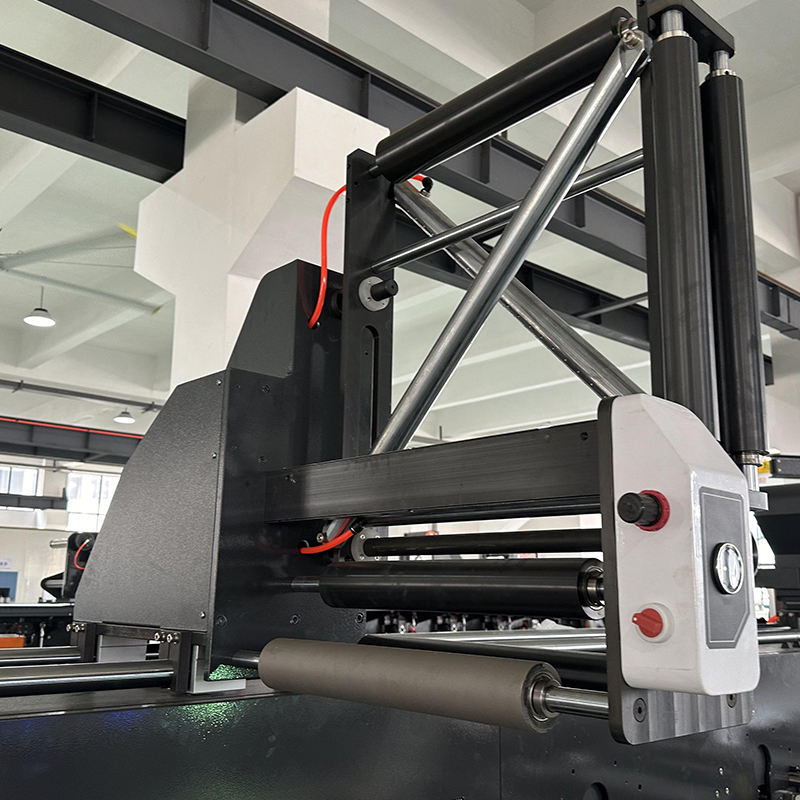
Selecting the right label flexographic printing press is one of the most critical decisions a packaging business can make. A label flexographic printing press directly impacts production efficiency, print quality, operational costs, and competitive positioning in the market. Whether you are upgrading existing equipment or building a new production line, understanding the essential criteria for choosing a label flexographic printing press will guide your investment toward long-term profitability and operational excellence.
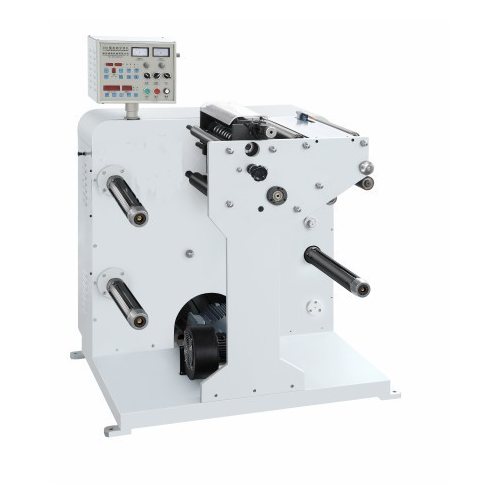
The packaging industry relies heavily on flexographic technology because of its speed, versatility, and cost-effectiveness. A label flexographic printing press offers rapid production cycles, excellent color reproduction, and the ability to print on diverse substrate materials. When you invest in the right label flexographic printing press, you gain the capacity to meet market demand, reduce waste, and maintain consistent quality across production runs. This guide walks you through the essential decision factors that will help you identify the ideal label flexographic printing press for your specific packaging applications.
Understanding Your Production Requirements
Defining Capacity and Speed Expectations
Before evaluating any label flexographic printing press model, you must first clarify your production volume targets and speed requirements. Production speed is measured in labels per minute or meters per minute, depending on your application. Your label flexographic printing press must handle your peak demand without bottlenecks, but purchasing equipment far beyond your actual needs wastes capital and floor space. Calculate your annual label production volume, identify seasonal peaks, and determine the minimum throughput your label flexographic printing press must deliver to remain profitable.
Speed specifications vary significantly across different label flexographic printing press designs. Entry-level models may run between 100 and 200 meters per minute, while high-performance label flexographic printing press units operate at 400 meters per minute or faster. The correct speed range for your label flexographic printing press depends on label size, substrate type, and color complexity. Running your label flexographic printing press at optimal speeds—not at maximum capacity—produces superior quality and extends equipment lifespan.
Identifying Label Size and Substrate Compatibility
The physical dimensions of your labels directly influence which label flexographic printing press models will work for your operation. Your label flexographic printing press must accommodate your minimum and maximum label widths comfortably, with adjustment capability for format changes. Most modern label flexographic printing press equipment supports quick-change tooling to switch between different label widths, reducing changeover time and material waste. Verify that your chosen label flexographic printing press offers the web width range necessary for your current products and anticipated future applications.
Substrate compatibility is equally critical when selecting a label flexographic printing press. Paper, film, metallic, and specialty substrates each present different printing challenges. Your label flexographic printing press must feature appropriate tension control, web guide systems, and drying technology to handle your specific materials. Testing your actual substrates on your prospective label flexographic printing press before purchase prevents costly compatibility issues after installation.
Technical Specifications and Print Quality Features
Color Stations and Printing Precision
The number of color stations on your label flexographic printing press determines how many colors you can print in a single pass. A label flexographic printing press with four color stations is standard for basic applications, while six, eight, or even ten-color label flexographic printing press systems serve more complex branding requirements. Each additional color station on your label flexographic printing press increases equipment cost but reduces the need for multiple production passes, improving overall efficiency. Consider whether your label flexographic printing press needs inline capabilities like varnish stations, coating applications, or special effects to meet market expectations.
Print resolution and dot precision are fundamental to label quality. Modern label flexographic printing press technology now achieves resolutions of 150 to 200 lines per inch, producing crisp text and fine detail reproduction. Your label flexographic printing press should feature ceramic anilox rollers, which provide superior ink transfer consistency compared to older gravure systems. Closed-loop color management on a label flexographic printing press ensures repeatable color accuracy across production runs and reduces waste from trial-and-error adjustments.
Automation and Operator Interface Features
Automation levels significantly affect labor costs and print consistency on a label flexographic printing press. Entry-level manual systems require skilled operators to adjust registration, tension, and ink viscosity continuously. A label flexographic printing press with semi-automatic or fully automatic registration correction reduces operator workload and minimizes setup time. Look for a label flexographic printing press that includes centralized digital controls, real-time monitoring dashboards, and automated job library storage for faster changeovers between production runs.
Intuitive interface design on your label flexographic printing press matters for staff training and consistent performance. Touch-screen controls, preset job profiles, and predictive maintenance alerts reduce operational complexity. A modern label flexographic printing press should integrate with your existing ERP or manufacturing software to streamline production scheduling, material tracking, and quality documentation. These digital integration features transform your label flexographic printing press from a standalone machine into a connected production asset.
Maintenance, Support, and Total Cost of Ownership
Reliability and Parts Availability
The true cost of a label flexographic printing press extends far beyond the initial purchase price. Downtime directly reduces your production capacity and increases per-unit costs, making equipment reliability critical to profitability. When evaluating a label flexographic printing press, investigate the manufacturer's track record for mean time between failures and the availability of replacement parts in your region. A label flexographic printing press from an established supplier with local service centers ensures faster repairs and minimizes production disruptions.
Spare parts inventory and supply chain resilience are often overlooked when purchasing a label flexographic printing press. Confirm that common wear items like anilox rollers, doctor blades, and drive components are readily available and reasonably priced. Request the maintenance schedule for your prospective label flexographic printing press and verify that routine maintenance tasks can be performed by your internal team or through accessible service providers. A label flexographic printing press with modular design allows faster part replacement than older integrated systems.
Training, Support Services, and Lifecycle Value
Comprehensive training and ongoing technical support are essential factors often underestimated when selecting a label flexographic printing press. The supplier should provide onsite installation support, operator certification programs, and continuous technical assistance for your label flexographic printing press. Quality training reduces setup errors, maximizes equipment performance, and improves staff confidence. A label flexographic printing press supplier offering regular webinars, troubleshooting guides, and proactive maintenance alerts adds significant value beyond the machine itself.
Consider the total cost of ownership when comparing label flexographic printing press options. Calculate ink consumption, energy costs, labor requirements, maintenance expenses, and anticipated downtime across a five-year horizon. A more expensive label flexographic printing press with lower operating costs and higher uptime often delivers superior return on investment compared to cheaper alternatives with higher operational expenses. Request detailed total cost of ownership calculations from suppliers of your shortlisted label flexographic printing press models to make an informed financial decision.
FAQ
What production speed should I expect from a modern label flexographic printing press?
Modern label flexographic printing press systems typically operate between 150 and 500 meters per minute, depending on model class and configuration. High-end label flexographic printing press equipment designed for high-volume packaging operations may exceed 400 meters per minute. Your actual operating speed depends on label size, substrate type, and color complexity, as the label flexographic printing press will run slower for intricate designs requiring precise registration. Always verify that your selected label flexographic printing press speed matches your production requirements under realistic operating conditions, not just maximum theoretical capacity.
How many color stations do I need in a label flexographic printing press?
The ideal number of color stations for your label flexographic printing press depends on your product portfolio and market positioning. A basic label flexographic printing press with four color stations handles standard four-color process applications and is suitable for many packaging businesses. However, if your labels require special effects, metallics, or expanded color gamuts, a six or eight-color label flexographic printing press provides greater flexibility. Evaluate your current label designs and anticipated future products to determine whether your label flexographic printing press investment should prioritize cost efficiency or production flexibility.
What maintenance schedule should I plan for a label flexographic printing press?
A typical label flexographic printing press requires daily cleaning and inspection, weekly maintenance of rollers and drive components, and monthly deep servicing. Your label flexographic printing press manufacturer provides a detailed preventive maintenance schedule specific to your model and usage patterns. Regular maintenance of your label flexographic printing press extends equipment lifespan, prevents unexpected breakdowns, and maintains consistent print quality. Budget approximately 5 to 10 percent of your label flexographic printing press purchase price annually for maintenance, spare parts, and label flexographic printing press support services.