
 EN
EN
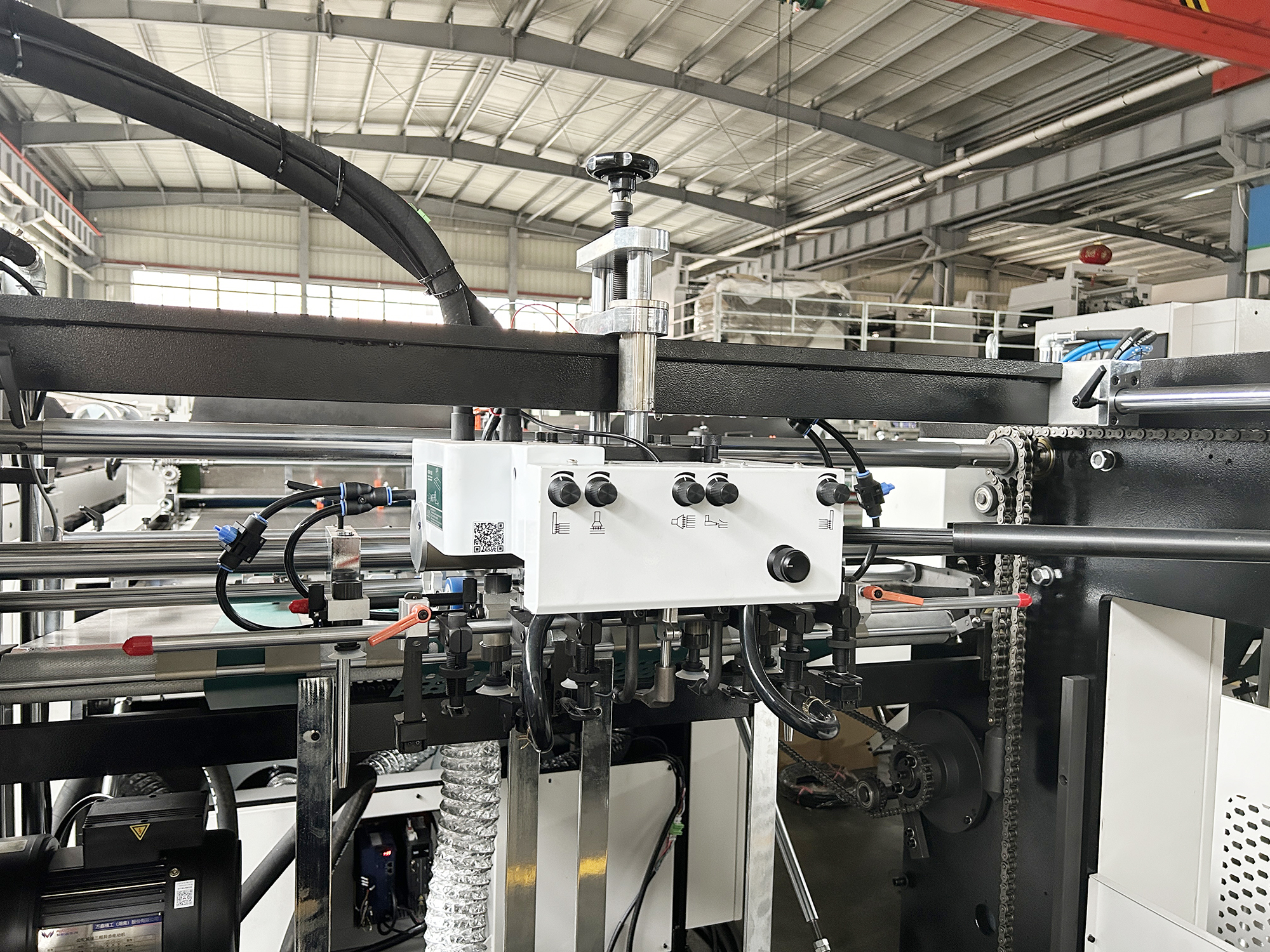
Selecting the right rotogravure printing machine is one of the most critical decisions a printing operation can make. This choice directly impacts production quality, operational efficiency, and long-term profitability. A rotogravure printing machine represents a substantial capital investment, and the wrong selection can lead to costly downtime, subpar output quality, and missed production targets. Understanding the key factors that matter most when evaluating a rotogravure printing machine helps businesses make informed decisions that align with their specific production requirements and strategic goals.
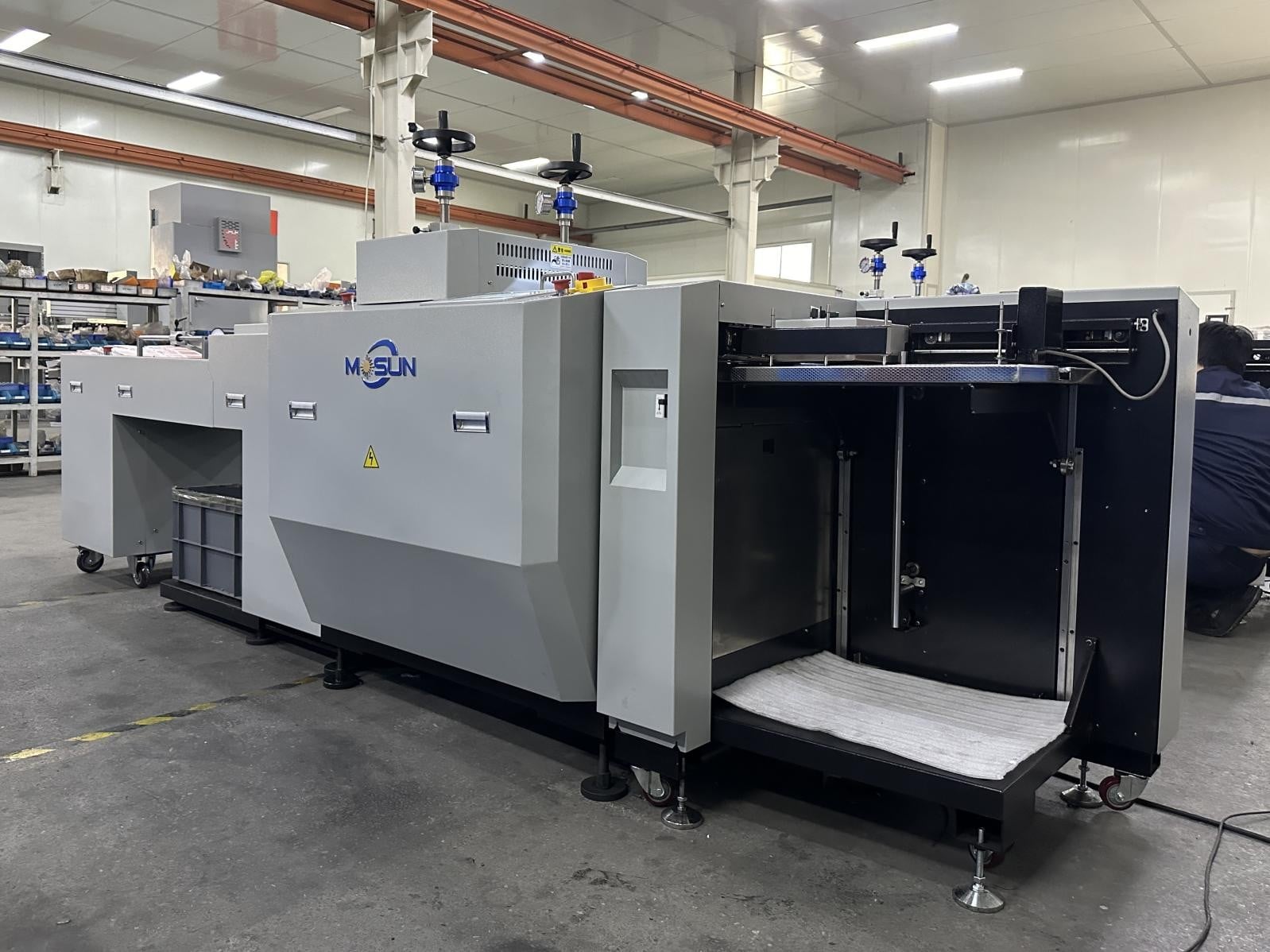
The evaluation process for a rotogravure printing machine extends far beyond initial purchase price. Businesses must assess technical specifications, operational capabilities, vendor support, and how the equipment fits into their existing production workflow. Whether you are upgrading aging equipment or establishing a new production line, choosing the optimal rotogravure printing machine requires careful analysis of multiple interdependent factors that collectively determine success in competitive print markets.
Technical Specifications and Production Capacity
Print Speed and Output Requirements
Print speed is a fundamental consideration when evaluating any rotogravure printing machine. Different production environments have vastly different throughput demands, and selecting a rotogravure printing machine with insufficient speed creates a persistent bottleneck. A rotogravure printing machine rated for 200 meters per minute may be ideal for certain packaging operations, while high-volume flexible packaging producers require significantly faster equipment. Understanding your actual production volume and growth projections ensures that your rotogravure printing machine investment delivers adequate capacity without over-specifying and wasting capital on unnecessary capability.
Substrate Compatibility and Flexibility
The materials your rotogravure printing machine must handle directly influence equipment specifications and long-term value. A versatile rotogravure printing machine capable of processing flexible films, cellophane, metallized substrates, and various paper weights provides significant operational flexibility. When choosing a rotogravure printing machine, verify that it accommodates your current material portfolio and anticipate future material needs. Substrate compatibility affects not only print quality but also maintenance requirements and operational complexity. A rotogravure printing machine optimized for your specific materials reduces waste, improves color consistency, and minimizes changeover time between production runs.
Print Quality and Color Management Capabilities
Color Consistency and Registration Accuracy
Print quality represents perhaps the most visible differentiator in gravure production, making color management essential when selecting a rotogravure printing machine. An advanced rotogravure printing machine includes closed-loop color management systems that monitor and adjust ink density throughout production runs. Precise registration capabilities in a rotogravure printing machine ensure that multi-color designs align perfectly, producing professional output that meets brand standards. When evaluating a rotogravure printing machine, examine the quality control systems, sensor technology, and automation features that maintain consistency across long production runs. The difference between adequate and exceptional print quality often determines whether a rotogravure printing machine justifies its investment through premium pricing capabilities.
Resolution and Detail Reproduction
Different applications demand varying levels of print resolution and detail fidelity, directly impacting which rotogravure printing machine suits your needs. Packaging designs with fine typography, photographic imagery, or intricate patterns require a rotogravure printing machine capable of producing exceptional resolution and tonal gradation. The engraving quality and cylinder specifications fundamentally determine how a rotogravure printing machine reproduces fine details. When comparing rotogravure printing machine options, request sample prints on your actual substrates to evaluate whether the equipment delivers the visual quality your products demand in competitive markets.
Operational Efficiency and Total Cost of Ownership
Maintenance Requirements and Reliability
Equipment reliability directly affects profitability, making maintenance characteristics crucial when selecting a rotogravure printing machine. A dependable rotogravure printing machine minimizes unplanned downtime that disrupts production schedules and disappoints customers. Evaluate the maintenance schedule, parts availability, and vendor support network for any rotogravure printing machine under consideration. Machines requiring frequent cylinder re-engravings, ink system flushing, or component replacement can accumulate substantial hidden costs. A well-designed rotogravure printing machine incorporates durable components, accessible service points, and modular construction that facilitate repairs. When assessing lifecycle costs, factor in both preventive maintenance demands and realistic repair frequency for the specific rotogravure printing machine models you evaluate.
Energy Consumption and Operating Costs
Operating expenses represent a significant ongoing commitment for any rotogravure printing machine investment. Modern rotogravure printing machine technology increasingly focuses on energy efficiency, vacuum system optimization, and reduced ink consumption. A rotogravure printing machine with variable frequency drives, efficient motor systems, and optimized drying capabilities reduces utility bills substantially over its operational lifetime. When selecting a rotogravure printing machine, compare power requirements, compressed air demands, and cooling system efficiency across candidate models. The operating cost profile of a rotogravure printing machine often determines whether a lower-cost purchase price actually represents genuine value or false economy.
Vendor Support and Implementation Considerations
Technical Support and Training Resources
The vendor's support infrastructure significantly impacts how effectively your organization deploys and operates a rotogravure printing machine. Comprehensive operator training programs ensure your team maximizes capabilities and maintains print quality standards for your rotogravure printing machine. When choosing a rotogravure printing machine, assess whether the vendor provides onsite training, technical documentation, video resources, and ongoing support availability. A responsive vendor who understands your specific industry and application improves troubleshooting speed when issues arise with your rotogravure printing machine. Strong vendor relationships directly influence how quickly your operation achieves full productivity with the new rotogravure printing machine.
Integration with Existing Systems
Most operations must integrate new equipment into established production environments, making compatibility assessment essential when evaluating a rotogravure printing machine. Your selected rotogravure printing machine must communicate effectively with existing automation, waste handling systems, and production planning software. A rotogravure printing machine with flexible interfaces and industry-standard connectivity enables smoother workflow integration. Consider whether your chosen rotogravure printing machine requires facility modifications, utility upgrades, or process adjustments that extend implementation timelines and costs. rotogravure printing machine vendors who address integration during sales discussions demonstrate commitment to your long-term success rather than merely completing transactions.
FAQ
What production volume justifies investing in a rotogravure printing machine?
Most gravure production becomes economically viable at volumes exceeding 1 million impressions annually, though specific breakeven points depend on your product mix and competitive positioning. A rotogravure printing machine excels at long production runs where the high cylinder preparation costs distribute across large quantities. Shorter run applications or highly variable designs may favor alternative printing technologies. Evaluate your actual historical volume patterns and realistic growth projections to determine whether a rotogravure printing machine aligns with your business model.
How does a rotogravure printing machine compare to digital printing for small runs?
A rotogravure printing machine delivers superior cost-per-unit efficiency on large runs but requires substantial setup investment unsuitable for variable short-run production. Digital printing excels at flexibility, design variation, and quick turnarounds without cylinder preparation delays. Many sophisticated operations maintain both technologies, using rotogravure printing machine capacity for high-volume stable designs while reserving digital for experimental or customized applications. The optimal choice depends on your specific market positioning and production profile.
What should I prioritize if budget constraints limit rotogravure printing machine options?
When budget constraints narrow your rotogravure printing machine choices, prioritize specifications directly affecting your core production requirements and revenue generation. Print quality, speed, and substrate compatibility matter more than advanced features you rarely use. A reliable, capable rotogravure printing machine that consistently meets customer expectations delivers more value than feature-rich equipment burdened by complexity and support challenges. Evaluate vendor reliability and support quality, as these factors often determine whether a lower-cost rotogravure printing machine becomes a regretted compromise or a successful strategic acquisition.