
 EN

A rotogravure printing machine represents one of the most efficient technologies available for large-scale production environments. This technology has become the preferred choice across packaging, publishing, and specialty printing industries because it delivers consistent quality, exceptional speed, and remarkable cost efficiency when production volumes reach significant levels. Understanding why a rotogravure printing machine suits high-volume operations requires examining both the mechanical advantages and the economic realities that drive industrial printing decisions today.
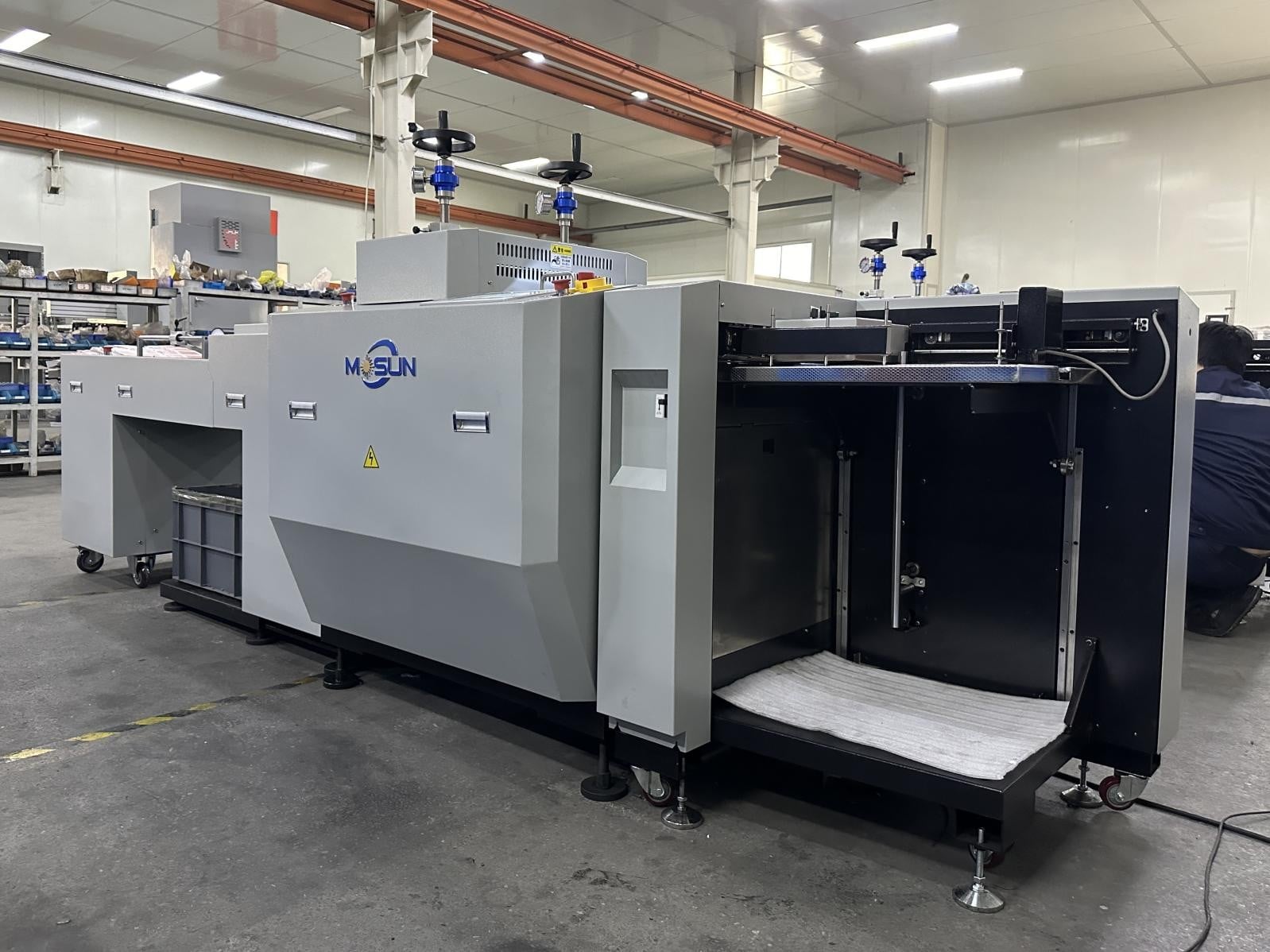
The fundamental reason a rotogravure printing machine dominates high-volume printing is rooted in how the technology operates at scale. Unlike competing technologies that struggle with speed or quality consistency as production demands increase, a rotogravure printing machine maintains both performance metrics reliably. The engraved cylinder design ensures that every impression delivers identical color saturation, registration accuracy, and substrate adhesion, making high-volume production not just possible but genuinely advantageous for manufacturers seeking to minimize waste and maximize throughput.
Superior Speed and Production Capacity
Continuous Printing Performance
A rotogravure printing machine operates continuously at speeds that far exceed traditional offset or flexographic alternatives. Industrial facilities running a rotogravure printing machine can achieve line speeds of 300 to 1,000 meters per minute depending on substrate type and application complexity. This continuous operation means that a rotogravure printing machine transforms production economics by distributing fixed costs across substantially larger quantities of finished products. When a manufacturer invests in a rotogravure printing machine, the per-unit cost drops dramatically as production volume increases, which is precisely why high-volume printers select this technology.
Consistency Across Long Press Runs
Extended production runs represent a core strength of a rotogravure printing machine. Unlike technologies where color drift or registration issues accumulate during sustained operation, a rotogravure printing machine maintains stable output through press runs spanning millions of impressions. This consistency means that a rotogravure printing machine eliminates the need for frequent recalibration or makeup sheets that waste materials and reduce net output. Quality controllers overseeing a rotogravure printing machine experience fewer interventions and less downtime related to quality variation, directly supporting the business case for high-volume production.
Cost Efficiency and Economic Scale
Reduced Per-Unit Production Costs
The economics of a rotogravure printing machine shift favorably as production volumes rise. While a rotogravure printing machine requires higher initial investment and longer setup time compared to some alternatives, these costs amortize dramatically when printing millions of units. Ink consumption on a rotogravure printing machine is also highly optimized, as the engraved cylinder applies ink only to image areas, minimizing waste. Material handling efficiency improves when operating a rotogravure printing machine at high volumes because the automated feeding and delivery systems operate continuously without frequent stopping and starting that degrades efficiency.
Minimized Waste and Material Optimization
Waste reduction becomes a measurable competitive advantage when using a rotogravure printing machine. The precise metering system on a rotogravure printing machine controls ink transfer with exceptional accuracy, preventing overinking or starving that wastes product. Substrate utilization also improves because a rotogravure printing machine maintains such tight registration that edge waste remains minimal even on complex multi-color work. Environmental and cost benefits compound when a rotogravure printing machine operates continuously, as accumulated waste reduction directly impacts total cost per thousand units and supports sustainability reporting for manufacturers focused on responsible production practices.
Quality Advantages for High-Volume Demands
Unmatched Color Fidelity and Detail Reproduction
High-volume production environments cannot tolerate quality variation because even small defects multiply across millions of units. A rotogravure printing machine delivers exceptional color fidelity because the engraved cylinder creates precise ink wells that deliver consistent color saturation throughout extended runs. Fine detail reproduction represents another distinguishing capability of a rotogravure printing machine, enabling manufacturers to produce packaging and publications that demand superior image clarity. When quality represents a critical brand differentiator, businesses standardize on a rotogravure printing machine because the technology guarantees the consistency that high-volume success demands.
Substrate Versatility and Durability
A rotogravure printing machine accommodates diverse substrates with equal reliability, from lightweight films to thick paperboards. This versatility means manufacturers operating a rotogravure printing machine can consolidate multiple substrate types onto single equipment platforms, improving asset utilization. Ink adhesion from a rotogravure printing machine proves superior on difficult surfaces including plastics and metallized films, making this technology essential for flexible packaging producers scaling to high-volume production. The durability of images produced on a rotogravure printing machine surpasses many competing technologies, which justifies premium pricing and builds customer loyalty in markets where long-lasting color and print definition matter commercially.
FAQ
What production volumes justify investing in a rotogravure printing machine?
A rotogravure printing machine becomes economically optimal typically above five to ten million impressions annually, depending on product complexity and material costs. Below these volumes, simpler technologies may offer faster payback periods. However, when business forecasts project sustained high-volume demand, a rotogravure printing machine investment generates superior returns through lower per-unit costs, reduced waste, and faster throughput compared to batch-oriented technologies.
How long does setup and changeover take on a rotogravure printing machine?
A rotogravure printing machine requires longer setup time than some competing technologies because engraved cylinders must be mounted and color registration must be precisely calibrated. Setup typically requires two to four hours for experienced operators, which is why a rotogravure printing machine suits extended production runs rather than frequent short jobs. However, once a rotogravure printing machine reaches production speed, the extended run efficiency recovers setup time investment quickly across high volumes.
Can a rotogravure printing machine print both text and photographic images?
Yes, a rotogravure printing machine excels at reproducing both text and photographic content because the engraving process creates precise dot structures that support fine detail. A rotogravure printing machine handles complex multi-color images while maintaining sharp text definition, making it ideal for magazines, catalogs, and premium packaging where diverse content types appear on single products. This capability further justifies selecting a rotogravure printing machine for comprehensive high-volume publishing and packaging applications.