
 EN
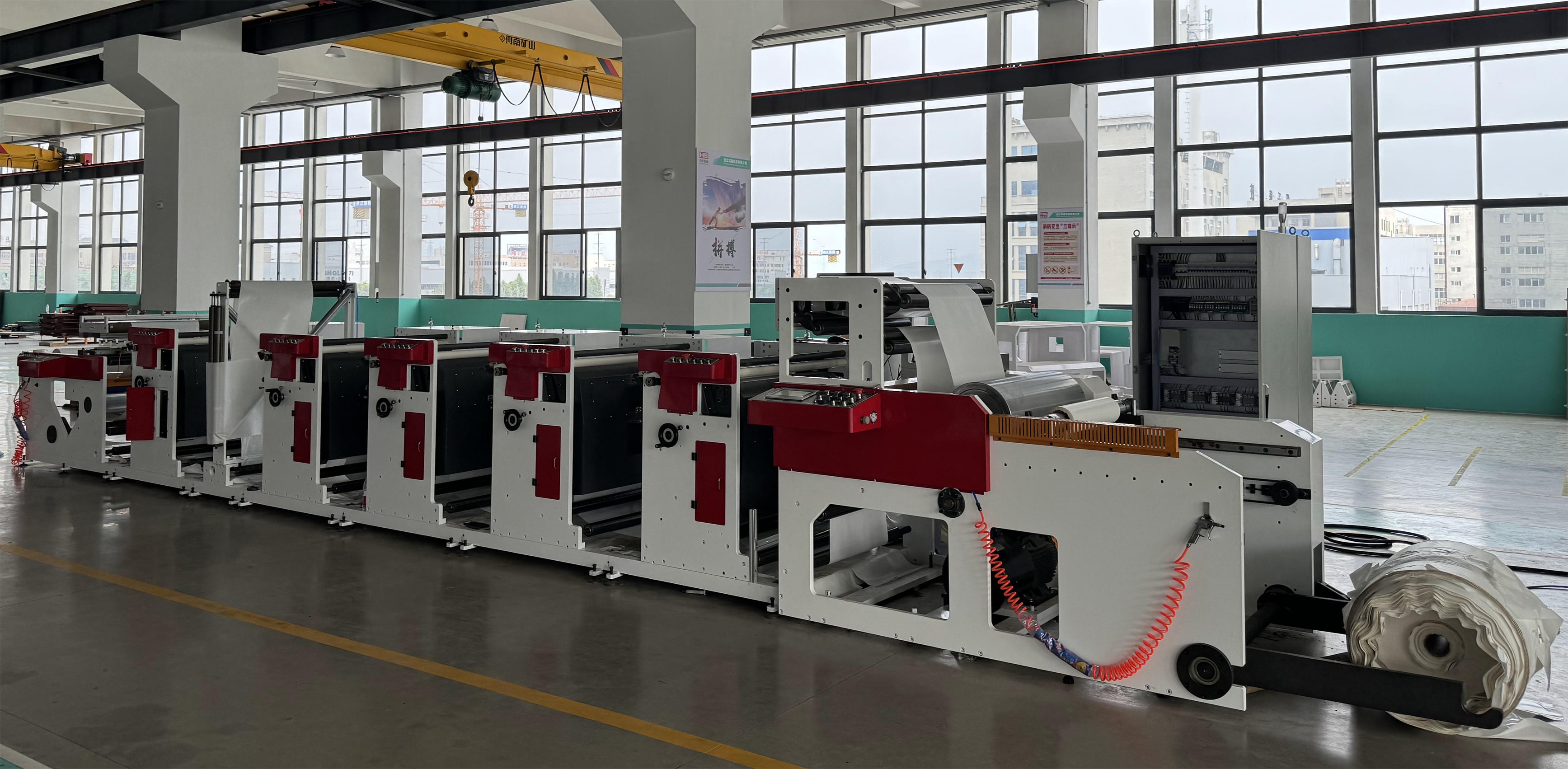
A slitting machine is one of the most effective tools for transforming material converting operations. Whether you work with films, foils, papers, or specialty materials, the right slitting machine delivers precision, consistency, and speed that manual or outdated methods simply cannot match. Modern manufacturing demands faster turnaround times, tighter tolerances, and reduced material waste. A slitting machine addresses all three challenges simultaneously by automating the cutting and division of bulk material into precise widths and specifications.

The operational impact of a slitting machine extends far beyond simple cutting. It streamlines workflow, reduces labor costs, minimizes waste, and improves product consistency across every batch. For converters facing competitive pressure and rising material costs, investing in a quality slitting machine becomes a strategic decision that directly affects profitability and customer satisfaction. Understanding how a slitting machine enhances your converting operations helps you make informed decisions about automation, equipment upgrades, and production capacity.
Precision and Accuracy in Material Conversion
Achieving Tight Tolerances Consistently
One of the primary advantages of a slitting machine is its ability to cut materials to exact specifications repeatedly. Traditional cutting methods rely on manual measurement and operator skill, which inevitably lead to variation from roll to roll and batch to batch. A slitting machine eliminates this variability by using computerized controls and precision blade positioning. This consistency is critical for converters whose customers require materials within strict dimensional tolerances. When each slit width meets specification on the first attempt, a slitting machine reduces the need for secondary inspection, sorting, or rework.
High-precision slitting machines incorporate servo-driven systems, laser-guided alignment, and digital display controls that allow operators to set exact widths down to fractions of a millimeter. This level of accuracy is impossible to achieve manually and would require extensive training and quality control resources. By automating precision, a slitting machine protects your reputation for quality while reducing the operational overhead traditionally associated with tolerance management.
Reducing Material Waste and Loss
Every inch of material wasted during the slitting process directly reduces profitability. A slitting machine minimizes waste through several mechanisms. First, precise blade positioning and sharp, well-maintained cutting edges ensure clean cuts with minimal material loss at the slit edges. Second, automated slitting reduces operator error and mis-cuts that are common in manual operations. Third, a slitting machine allows you to optimize width layouts to match customer orders more efficiently, reducing trim waste and off-spec material. For converters working with expensive films, foils, or specialty substrates, these waste reductions compound quickly to deliver significant cost savings.
Additionally, a slitting machine's ability to handle multiple slits in a single pass through the material means you can maximize the output from each parent roll. This efficiency becomes especially important when material prices are high or when your raw material sourcing is constrained. Over a full production year, the waste reduction from a properly operated slitting machine often pays for a significant portion of the equipment investment.
Speed and Production Capacity Enhancement
Accelerating Output Without Compromising Quality
A slitting machine fundamentally changes the speed equation in material converting. Where manual slitting or older equipment might process 50 to 100 linear feet per minute, a modern slitting machine can handle 200 to 1000+ feet per minute depending on the material type and blade configuration. This dramatic speed increase allows you to fulfill larger customer orders within tighter deadlines while using fewer personnel and consuming less floor space. For converters with seasonal demand spikes or customers with just-in-time ordering requirements, the throughput of a slitting machine becomes a competitive advantage.
The speed advantage of a slitting machine is not just about raw footage processed. It is also about reducing setup time, changeover complexity, and the administrative overhead of managing manual operations. Automated width settings, pre-programmed specifications, and quick-change blade systems reduce downtime between orders. This means more production time and faster inventory turns, which improves cash flow and customer responsiveness.
Meeting Variable Order Demands
Modern converters rarely operate in a predictable, high-volume single-product environment. Instead, most face a mix of customer demands requiring different widths, materials, and specifications. A slitting machine handles this variability efficiently because it can be reprogrammed and reset much faster than fixed manual processes. Whether you need to switch from 1-inch widths to 2.5-inch widths or run a completely different material type, a slitting machine accomplishes this transition in minutes rather than hours. This flexibility means you can accept more diverse customer orders without sacrificing efficiency or quality.
The flexibility of a slitting machine also extends to material handling. Many models can accommodate wide range of parent roll sizes and different material thicknesses, which expands your market addressable and reduces the need for separate equipment for different product categories.
Operational Cost Reduction and Scalability
Lowering Labor Requirements and Training Burden
Operating a slitting machine requires far less manual labor than traditional cutting methods. A single operator can oversee multiple slitting machine runs or manage the material feeding and collection while the machine handles the actual cutting. This labor efficiency is particularly valuable in regions where skilled labor is scarce or expensive. Moreover, the training burden is significantly lower because a slitting machine follows programmed instructions rather than relying on operator judgment for blade pressure, cutting speed, or slit positioning. New operators can become productive within days rather than weeks or months.
Lower labor intensity also reduces the variability introduced by fatigue, attention lapses, or inconsistent technique. When a slitting machine performs the critical cutting operation, your output consistency depends on machine calibration and material properties rather than human factors. This shift from labor-dependent to equipment-dependent operations reduces the risk and improves predictability.
Improving Equipment Utilization and Return on Investment
A slitting machine typically operates with high uptime when properly maintained. Most quality machines are designed for industrial-duty operation with minimal unplanned downtime. Planned maintenance is straightforward and often can be scheduled during shift breaks or slower production periods. This reliability means your equipment investment translates directly into consistent, available production capacity. For converters with capital budgets, the return on investment for a slitting machine often appears within 12 to 24 months when waste reduction, labor savings, and increased throughput are combined.
The scalability advantage of a slitting machine is also important. As your business grows and customer orders increase, a single slitting machine can absorb significantly more volume without proportional increases in space, utilities, or labor. This scalability provides a pathway for converting operations to expand profitably without reinventing their operational model at each growth stage.
FAQ
What types of materials can a slitting machine process?
A slitting machine can handle a wide variety of materials including plastic films, adhesive tapes, paper products, metallic foils, labels, and specialty substrates. The specific capability depends on the machine design, blade type, and maximum thickness rating. Before purchasing a slitting machine, confirm that it is rated for your particular material composition and thickness to ensure optimal performance and blade life.
How often does a slitting machine require maintenance?
Routine maintenance for a slitting machine typically includes blade sharpening or replacement every 40 to 100 operating hours depending on material hardness and cut quality requirements. Lubrication, belt inspection, and electrical checks should follow the manufacturer's guidelines, usually monthly or quarterly. Preventive maintenance schedules vary by machine model, but well-maintained equipment can operate for years with minimal unplanned downtime, ensuring your slitting machine continues to deliver value consistently.
Can a slitting machine reduce my material costs?
Yes, a slitting machine reduces material costs through multiple mechanisms. Precision cutting minimizes waste at the edges of slits. Automated width optimization allows you to extract more usable product from each parent roll. Reduced rework and scrap lower material loss. Additionally, by improving efficiency and output, a slitting machine allows you to negotiate better pricing with raw material suppliers by increasing your purchase volumes. These combined factors typically result in measurable material cost reductions within the first year of operation.