
 EN
EN
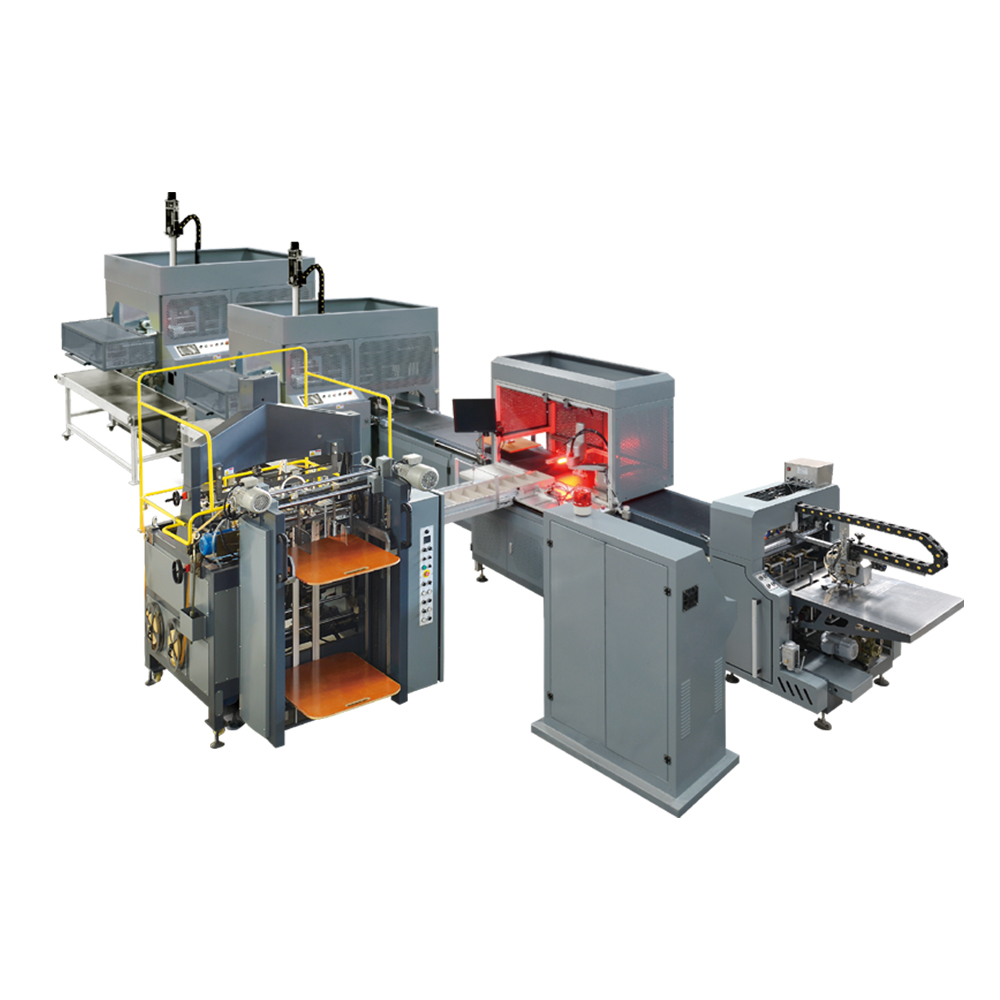
First impressions define purchasing decisions, and in competitive markets, the visual quality of printed materials can determine whether a product gets picked up or passed over. An automatic film laminating machine gives businesses the ability to apply a consistent, high-quality protective film to packaging, labels, covers, and printed materials at speed and scale. The result is a surface that feels premium, resists wear, and communicates professionalism before a single word is read.
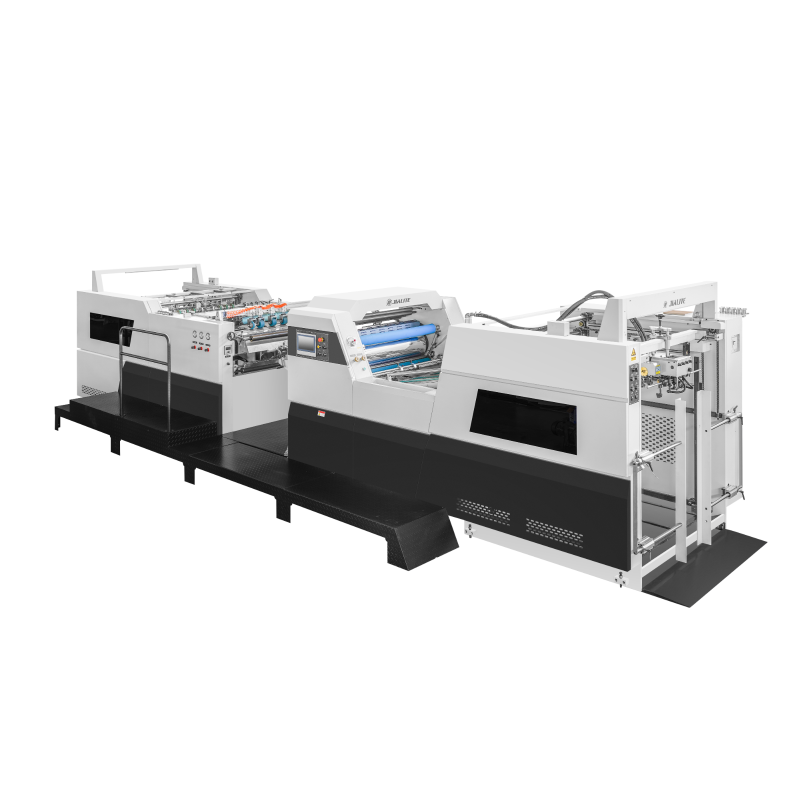
For packaging designers, print managers, and product marketers, investing in an automatic film laminating machine is not simply about aesthetics. It is a strategic decision that affects brand perception, shelf appeal, and the long-term durability of every printed piece. Understanding exactly how this equipment improves product presentation helps businesses make smarter production choices and deliver outputs that stand apart.
The Role of Surface Finish in Product Presentation
How Film Lamination Changes Visual Impact
An automatic film laminating machine applies a thin transparent or specialty film onto printed surfaces using heat and pressure. This process transforms a flat printed sheet into something that immediately reads as higher quality. Gloss lamination deepens colors and adds a reflective sheen that catches light in a way unlaminated surfaces never can. Matte lamination, by contrast, creates a soft, tactile finish that projects elegance and restraint, a preferred choice for premium product categories.
When buyers handle a product with a laminated finish produced by an automatic film laminating machine, they perceive greater value without needing any rational explanation. The tactile and visual difference is felt immediately. This perception gap between laminated and unlaminated print directly influences buying behavior, particularly in retail environments where a product has only seconds to make its case.
Consistency Across High-Volume Production
Manual lamination processes introduce variability. Bubbles, uneven adhesion, and inconsistent tension are common problems when lamination depends on human hands. An automatic film laminating machine eliminates this variability by controlling temperature, pressure, and film feed with precision across every single sheet. Whether a run involves one hundred sheets or one hundred thousand sheets, the automatic film laminating machine delivers the same quality on the first piece and the last.
Consistency is itself a form of quality communication. When every package or printed piece looks identical, it signals to buyers and retail partners that production standards are high and repeatable. An automatic film laminating machine makes that consistency achievable without slowing production or increasing labor costs.
Durability and Protection That Reinforce Brand Value
Physical Protection That Lasts
Product presentation does not end at the point of manufacture. Printed materials travel through logistics chains, sit on shelves, and pass through multiple hands before reaching the end consumer. An automatic film laminating machine adds a protective layer that guards against scuffs, moisture, fingerprints, and fading. This protection ensures the product looks as good at the point of sale as it did when it left the production line.
For packaging categories such as food boxes, cosmetic cartons, book covers, and retail gift packaging, this durability is not optional. It is expected. An automatic film laminating machine provides that expected level of finish efficiently, ensuring brands never suffer from presentation degradation caused by handling and transit damage.
Enhanced Special Effects for Shelf Differentiation
An automatic film laminating machine supports more than standard gloss and matte films. Holographic film, soft-touch film, and anti-scratch film can all be applied with the same equipment, enabling brands to pursue distinctive shelf presentations without switching to completely different production methods. Soft-touch lamination in particular has become a powerful differentiator because it creates a velvet-like surface that invites prolonged handling and signals premium positioning.
Brands that use specialty films through an automatic film laminating machine are communicating product value through sensory experience. This multi-sensory approach to packaging is well-documented as an effective driver of consumer engagement, and an automatic film laminating machine makes deploying such strategies practical at commercial volumes.
Operational Efficiency and Production Quality Alignment
Speed Without Sacrificing Quality
One of the defining advantages of an automatic film laminating machine is the ability to laminate at high speeds without sacrificing surface quality. Modern automatic film laminating machine models are designed to handle demanding production schedules, processing sheets rapidly while maintaining precise film tension and bonding uniformity. This speed means shorter lead times, faster turnaround for clients, and greater throughput from a single piece of equipment.
For print service providers and packaging converters, the productivity of an automatic film laminating machine directly translates into competitive pricing and delivery reliability. When customers know their laminated jobs will be finished on time and to a consistent standard, it strengthens the supplier relationship and supports repeat business.
Reduced Waste and Tighter Quality Control
An automatic film laminating machine reduces waste through precise film feeding and tension control. Manual lamination often results in film misalignment and trimming errors that generate material waste. Automated systems minimize these losses significantly. Reduced waste lowers the cost per sheet and decreases material consumption, which is increasingly important as brands manage sustainability commitments alongside production budgets.
Tight quality control built into an automatic film laminating machine also reduces the number of rejected or reprinted jobs. When defects are minimized, every sheet that enters the machine emerges as sellable output. This reliability has a direct positive effect on both profitability and the consistency of the finished product presentation that end customers experience.
FAQ
What types of film can an automatic film laminating machine apply?
An automatic film laminating machine can apply a range of films including gloss, matte, soft-touch, holographic, and anti-scratch varieties. The specific film options depend on the machine model and its compatibility with different film widths and thicknesses.
Is an automatic film laminating machine suitable for short print runs?
While an automatic film laminating machine delivers the greatest efficiency gains at medium to high volumes, many modern models offer quick setup and changeover features that make them practical for shorter runs as well. The consistency benefit applies equally regardless of run length.
How does an automatic film laminating machine affect the recyclability of packaging?
The recyclability of laminated packaging depends on the film material used. Water-based and certain biodegradable films applied by an automatic film laminating machine can improve the environmental profile of the finished product. Selecting the right film type allows brands to balance presentation quality with sustainability requirements.