
 EN
EN
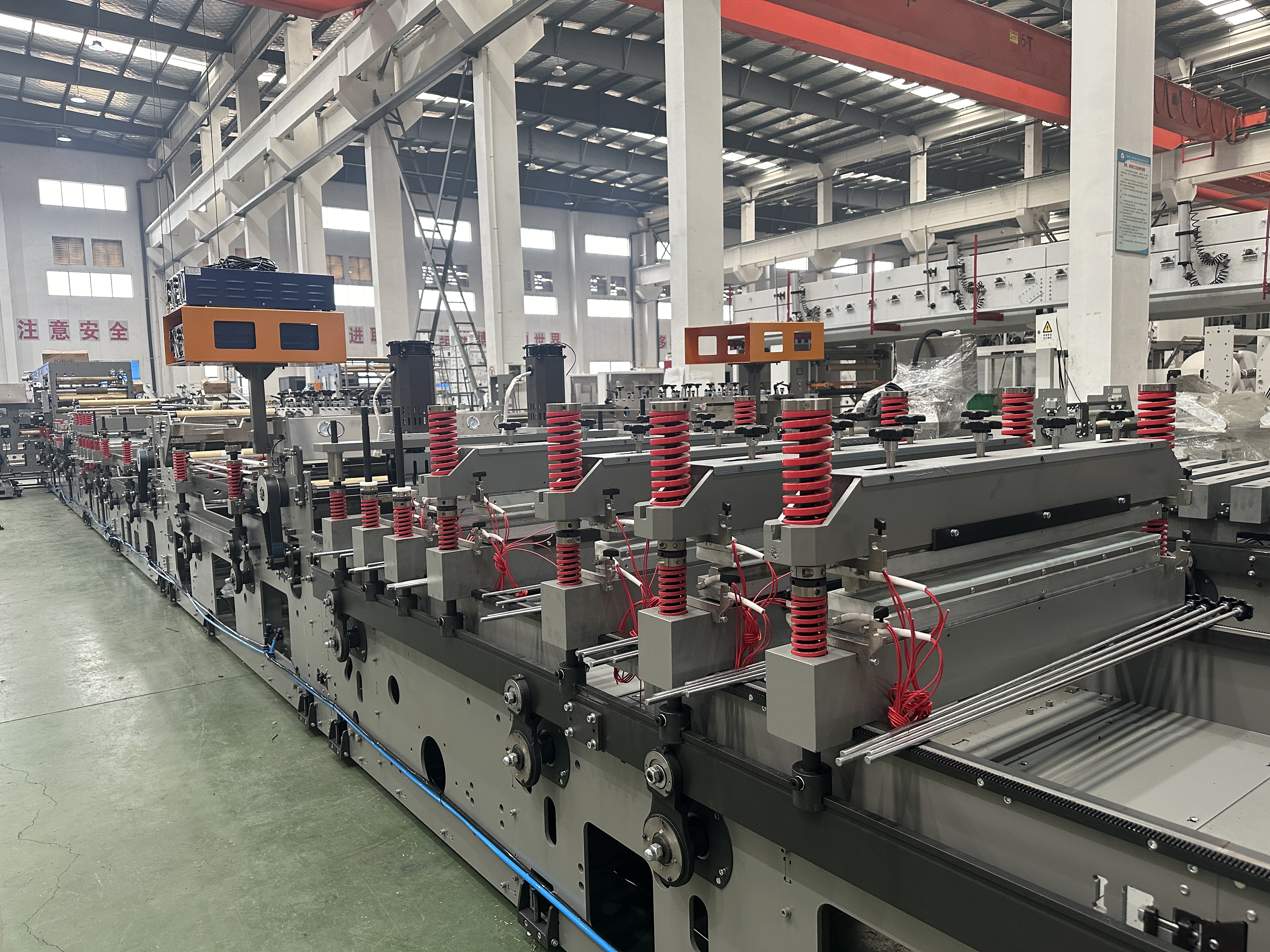
Choosing the right automatic film laminating machine is one of the most consequential equipment decisions a print finishing operation can make. The wrong choice leads to wasted capital, incompatible consumables, and production bottlenecks that affect delivery timelines and product quality. Before committing to any investment, buyers must understand exactly which performance factors, technical specifications, and operational traits separate one automatic film laminating machine from another.
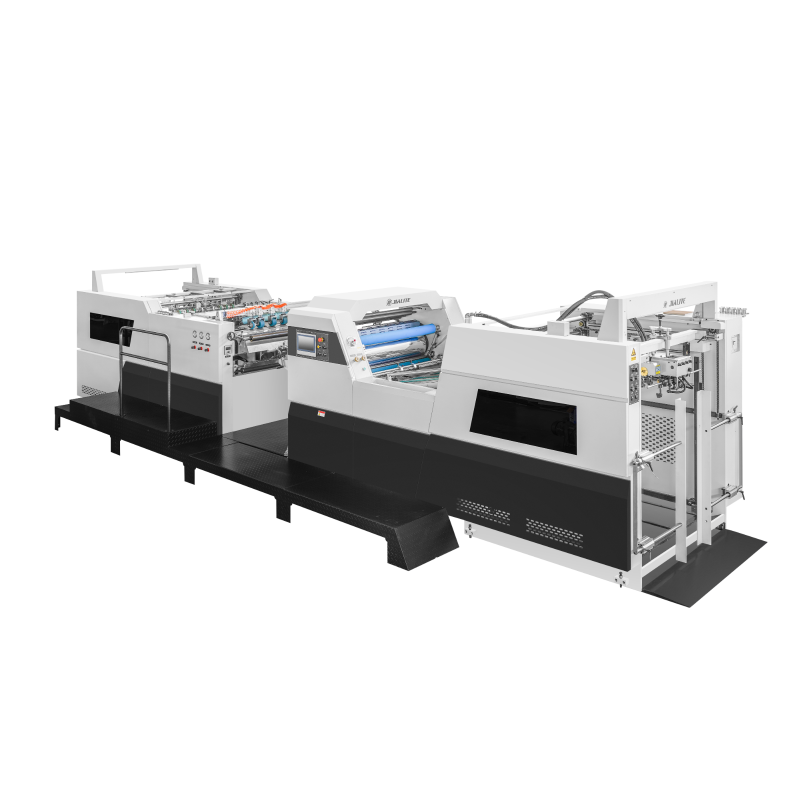
This guide walks through the core comparison points that industrial buyers, packaging managers, and print shop operators should evaluate systematically. Each automatic film laminating machine on the market carries a different set of trade-offs. Understanding those trade-offs before purchase protects your investment and ensures the machine aligns with your actual production requirements, not just a general specification sheet.
Speed, Output Capacity, and Production Matching
Laminating Speed and Throughput Rates
The laminating speed of an automatic film laminating machine is measured in meters per minute and directly determines how many finished sheets the machine can process within a given shift. A high-speed automatic film laminating machine operating at 60 to 80 meters per minute suits large commercial print runs, while a mid-range automatic film laminating machine running at 25 to 40 meters per minute may better match smaller batch production environments. Buyers must compare this specification against their actual daily output targets, not theoretical peak volumes.
An automatic film laminating machine with high nominal speed but poor acceleration and deceleration control often underperforms in real production. Stable feeding mechanisms, consistent tension control, and smooth film unwinding systems all contribute to whether a given automatic film laminating machine reaches its rated throughput in practical operation. Ask for live demonstrations or reference production data rather than relying solely on published specifications.
Sheet Size Range and Format Flexibility
Every automatic film laminating machine handles a defined minimum and maximum sheet size. Buyers who process varied substrate formats need an automatic film laminating machine with a wide adjustable sheet range. An automatic film laminating machine that only handles large formats creates waste when running small packaging jobs, while one configured only for small formats limits your production expansion opportunities. Confirm that the automatic film laminating machine you evaluate matches both your current dominant format and your anticipated growth formats.
Film Compatibility, Adhesive System, and Substrate Handling
Thermal Versus Pre-glued Film Systems
An automatic film laminating machine using a thermal adhesive system bonds film to substrate through heat and pressure rollers, requiring no separate glue application. This design makes a thermal automatic film laminating machine faster to set up and easier to maintain in most commercial environments. A pre-glued or wet-glue automatic film laminating machine applies adhesive independently before lamination, which offers stronger bonding on certain specialty substrates but introduces longer drying stages and more complex maintenance requirements. Comparing which adhesive system an automatic film laminating machine uses is fundamental to evaluating its fit for your substrate mix.
Buyers should also evaluate the film roll diameter capacity of each automatic film laminating machine. A wider roll diameter on an automatic film laminating machine means fewer roll changes per shift and less downtime. For high-volume operations, this single factor can meaningfully affect daily output efficiency on any automatic film laminating machine under consideration.
Substrate Thickness Range and Paper Weight Tolerance
Each automatic film laminating machine is rated for a substrate thickness range, typically expressed in grams per square meter for paper and millimeters for board. An automatic film laminating machine handling a wide GSM range gives buyers more flexibility to run packaging board, book covers, promotional materials, and commercial print products on the same machine. If your operation processes heavy board alongside lightweight coated stock, verify that the automatic film laminating machine maintains consistent lamination quality across that entire range without pressure adjustment downtime between jobs.
Build Quality, Control Systems, and Long-Term Ownership Costs
Mechanical Construction and Component Durability
The structural frame, roller materials, and drive system of an automatic film laminating machine determine how reliably it performs over years of daily use. A well-built automatic film laminating machine uses precision-ground rollers with hardened surfaces that resist wear under continuous heat and pressure cycling. Buyers should inspect or request technical documentation on the roller coating materials, bearing specifications, and frame rigidity of any automatic film laminating machine being evaluated. Lower-priced models may compromise on these structural components, leading to inconsistent lamination quality as the automatic film laminating machine accumulates operating hours.
Control Interface, Automation Features, and Diagnostics
Modern automatic film laminating machine designs integrate digital control panels, programmable job presets, and real-time tension monitoring. An automatic film laminating machine with intuitive controls reduces operator training time and lowers the risk of setup errors during job changeovers. Compare whether the automatic film laminating machine supports job memory storage, which allows operators to recall saved parameters for repeat orders without manual recalibration. Diagnostic feedback systems on a quality automatic film laminating machine alert operators to film tension irregularities, temperature deviations, and feeding faults before they cause waste or downtime.
Long-term ownership costs for an automatic film laminating machine extend well beyond the purchase price. Buyers should compare consumable costs, preventive maintenance intervals, spare parts availability, and local technical support coverage for each automatic film laminating machine candidate. An automatic film laminating machine with excellent initial pricing but poor after-sales infrastructure often costs significantly more over a three-to-five-year operational horizon than a well-supported model with higher upfront investment.
FAQ
What is the most important specification to compare when selecting an automatic film laminating machine?
Laminating speed and substrate compatibility are the two most critical starting points. An automatic film laminating machine must match your production volume targets and handle the range of substrates your operation processes. Focusing only on speed without confirming substrate compatibility leads to poor lamination results on specific jobs.
Can an automatic film laminating machine handle both gloss and matte films?
Yes, most commercial-grade automatic film laminating machine models accept both gloss and matte thermal films. However, some models require roller temperature adjustments when switching between film types. Confirm with the supplier that the automatic film laminating machine you select supports both film finishes without requiring extended recalibration time between jobs.
How do I evaluate after-sales support when comparing an automatic film laminating machine?
Request information on spare parts lead times, local service technician availability, and remote diagnostic support options before finalizing any automatic film laminating machine purchase. A reliable supplier should provide a clear maintenance schedule, a parts warranty policy, and accessible technical support channels. These factors are as important as the technical specifications when selecting an automatic film laminating machine for long-term production use.