
 EN
EN
A paper lid forming machine represents a significant capital investment for any packaging operation. To protect that investment, operators must commit to structured maintenance routines that keep every mechanical, pneumatic, and electrical component functioning at peak performance. Without consistent upkeep, a paper lid forming machine will suffer accelerated wear, rising scrap rates, and costly unplanned stoppages that interrupt production schedules and inflate operating costs.
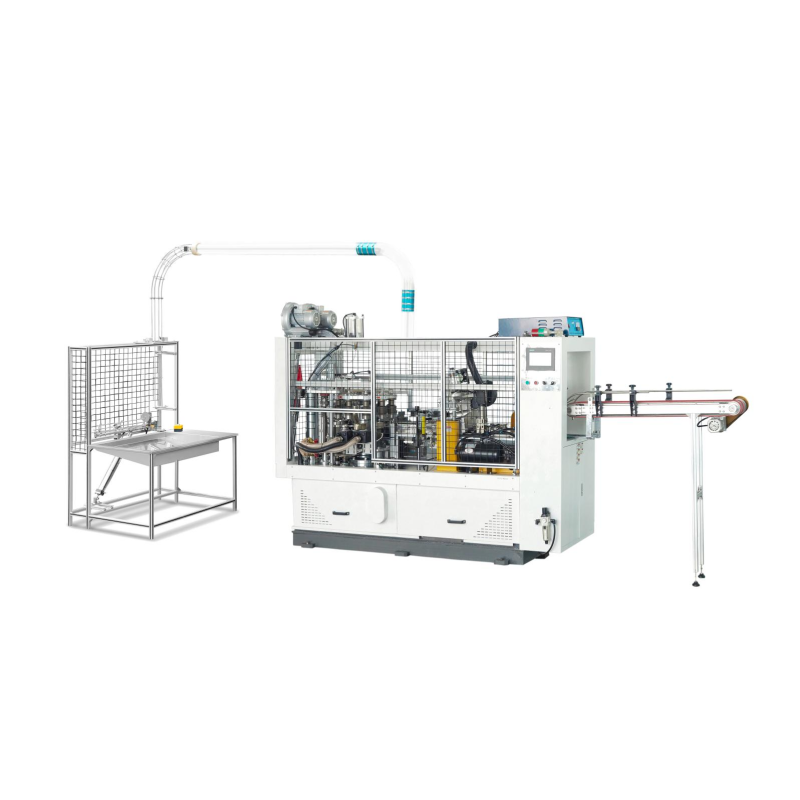
Understanding what maintenance practices genuinely extend the service life of a paper lid forming machine requires looking beyond simple cleaning checklists. The most effective maintenance strategies address lubrication, tooling alignment, heating system integrity, and operator awareness in a coordinated way. Each area of a paper lid forming machine interacts with the others, meaning neglect in one zone quickly creates compounding problems across the entire unit.
Daily and Weekly Maintenance Routines
Cleaning and Debris Removal
Daily cleaning is one of the simplest yet most impactful habits for any paper lid forming machine operator. Paper dust, adhesive residue, and stray fibers accumulate inside the forming chamber and around the die area of a paper lid forming machine during normal production runs. If left unaddressed, this debris compacts under heat and mechanical pressure, leading to surface scoring on tooling and interference with the precise movements that define paper lid forming machine quality output.
Operators should use compressed air and lint-free cloths to clear the forming station of a paper lid forming machine at the end of each shift. Avoid using solvents that are incompatible with sealing surface materials, as chemical damage to these zones shortens paper lid forming machine tooling life considerably. A consistent end-of-shift cleaning protocol directly reduces the frequency of deep maintenance interventions.
Lubrication of Moving Components
Every paper lid forming machine relies on a network of cams, guide rails, linkages, and bearings that must be properly lubricated to minimize friction and heat buildup. Weekly lubrication checks are essential to ensure that a paper lid forming machine maintains smooth, precise motion throughout each forming cycle. Using the wrong lubricant grade, or under-lubricating high-load contact points, causes premature bearing failure and dimensional drift in the paper lid forming machine output.
Always refer to the specific lubrication chart provided in the paper lid forming machine technical manual. Different zones of a paper lid forming machine require different grease viscosities or oil types. Mixing incompatible lubricants creates deposits that can seize moving parts and force a paper lid forming machine shutdown at the worst possible moment in a production run.
Tooling and Forming Die Maintenance
Regular Inspection of Dies and Punches
The forming dies and punches of a paper lid forming machine are subject to repetitive mechanical stress with every cycle. Inspecting these components weekly allows technicians to catch early signs of wear, micro-cracking, or surface pitting before they affect paper lid forming machine output quality. A worn die on a paper lid forming machine produces lids with inconsistent rim geometry, sealing failures, or wall thinning that leads to customer complaints and increased waste rates.
During each inspection cycle, technicians should verify that the alignment between upper and lower tooling on the paper lid forming machine remains within the manufacturer's specified tolerance. Misalignment in a paper lid forming machine accelerates uneven die wear and can fracture tooling prematurely. Shimming or re-seating components during scheduled maintenance windows prevents these issues from escalating into emergency repairs.
Heating Element and Temperature Control Checks
Heat is a critical variable in the performance of every paper lid forming machine. The heating elements responsible for activating the paper material's forming properties must be checked regularly for uniform output. An inconsistent heating element on a paper lid forming machine causes localized over-forming or under-forming, creating lids that fail quality inspection. Beyond product quality, uncontrolled heat distribution accelerates stress cracking in paper lid forming machine tooling.
Temperature sensors and PID controllers on a paper lid forming machine should be calibrated at scheduled intervals, typically every three to six months depending on production volume. A drifting temperature sensor causes a paper lid forming machine to run hotter or cooler than its programmed setpoint, compressing the useful service life of heating elements and forming surfaces alike. Replacing sensors on a scheduled basis rather than waiting for failure keeps a paper lid forming machine operating predictably.
Preventive Maintenance Scheduling and Operator Training
Building a Preventive Maintenance Calendar
Reactive maintenance is always more expensive than preventive maintenance for a paper lid forming machine. Building a formal preventive maintenance calendar that schedules inspections, lubrication, tooling checks, and electrical audits ensures that no critical system of a paper lid forming machine is overlooked. A well-structured calendar for a paper lid forming machine should distinguish between daily tasks, weekly tasks, monthly deep inspections, and annual overhauls.
Tracking maintenance history for each paper lid forming machine unit helps identify recurring failure patterns. If a particular bearing or seal on a paper lid forming machine fails repeatedly at a predictable interval, the maintenance calendar should schedule its replacement before that interval elapses. This data-driven approach to paper lid forming machine maintenance significantly reduces unplanned downtime and extends overall machine service life.
Operator Training and Fault Recognition
Trained operators are the first line of defense for any paper lid forming machine. Operators who understand the normal operating sounds, cycle rhythms, and output characteristics of a paper lid forming machine are far more likely to detect early fault signals before they become serious failures. Vibration changes, unusual noise, temperature fluctuations, and output irregularities are early indicators that a paper lid forming machine requires attention.
Investing in structured operator training for each paper lid forming machine in a facility reduces reliance on reactive maintenance calls and empowers production staff to act quickly. A well-trained operator who understands the paper lid forming machine can perform basic adjustments, flag abnormal behavior for the maintenance team, and document issues accurately. This culture of paper lid forming machine care at the operator level is the foundation of long service life across any packaging line.
FAQ
How often should I lubricate a paper lid forming machine?
Lubrication frequency for a paper lid forming machine depends on production volume and the specific components involved. As a general guideline, high-load bearings and guide rails on a paper lid forming machine should be checked and lubricated weekly. Always follow the lubrication schedule provided in the paper lid forming machine technical manual for accurate intervals.
What are the signs that a paper lid forming machine needs tooling replacement?
The most common signs that a paper lid forming machine requires tooling replacement include inconsistent lid rim geometry, visible surface pitting or scoring on dies, and rising scrap rates during production. If a paper lid forming machine consistently produces lids that fail dimensional checks, tooling wear is the most likely cause and should be inspected immediately.
Can operator errors shorten a paper lid forming machine service life?
Yes, operator errors are a leading cause of premature wear on a paper lid forming machine. Incorrect material loading, overriding safety interlocks, running a paper lid forming machine beyond its rated speed, or neglecting daily cleaning routines all contribute to shortened service life. Proper operator training and clear standard operating procedures protect both the paper lid forming machine and the production output it delivers.